Securing Field Intelligence: Encrypted Tasking and Command Oversight
Encrygma analysts examine how Undercover Agent enables secure, court-admissible communication between command centres and field operatives using quantum-resistant encryption and agency-controlled infrastructure.
Why This Matters Now
Encrygma analysts assess that the primary vulnerability in modern field operations is the reliance on fragmented, consumer-grade communication channels that lack verifiable chain-of-custody. By deploying Undercover Agent, agencies transition from insecure, ad-hoc messaging to a unified, agency-controlled architecture. This platform ensures that tasking remains protected by quantum-resistant encryption, mitigating risks identified in the Encrygma AI Threat Taxonomy regarding data interception and unauthorized metadata exposure.
Inside the Capability
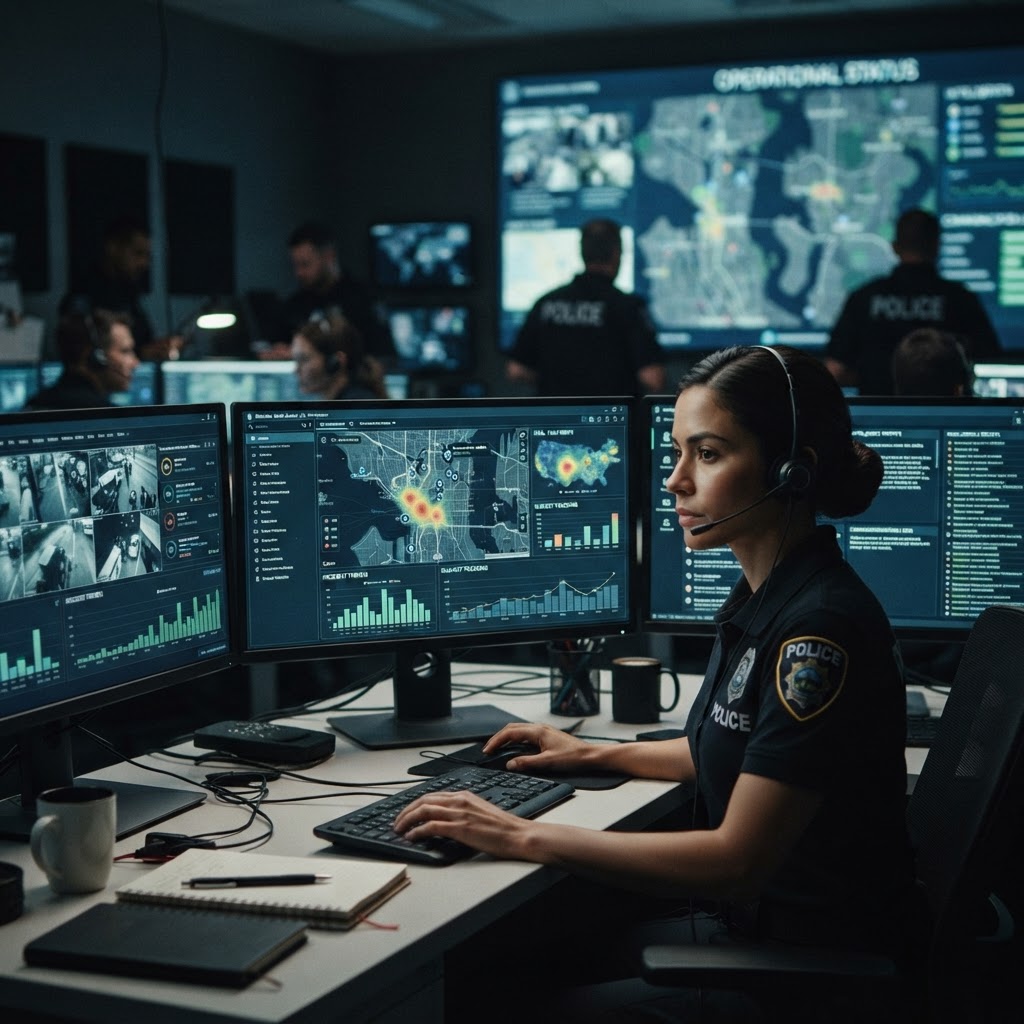
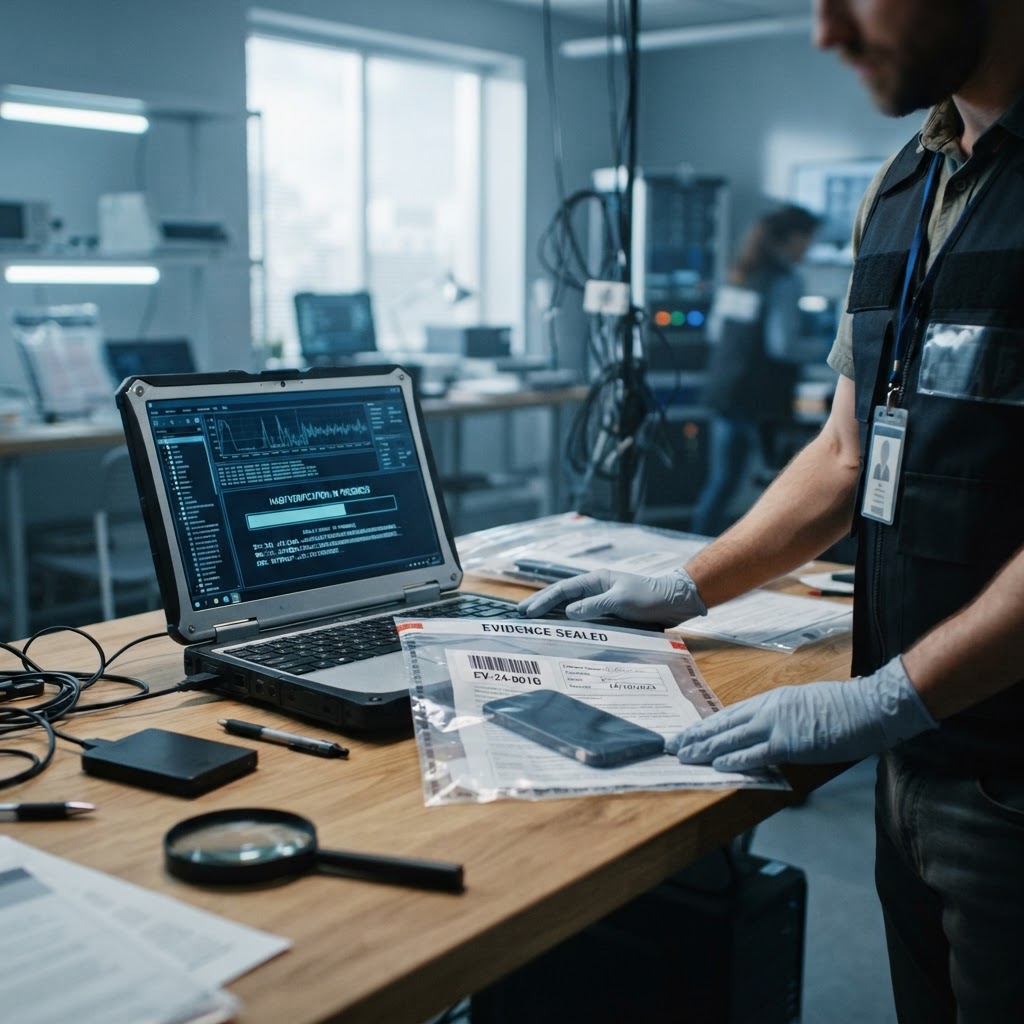
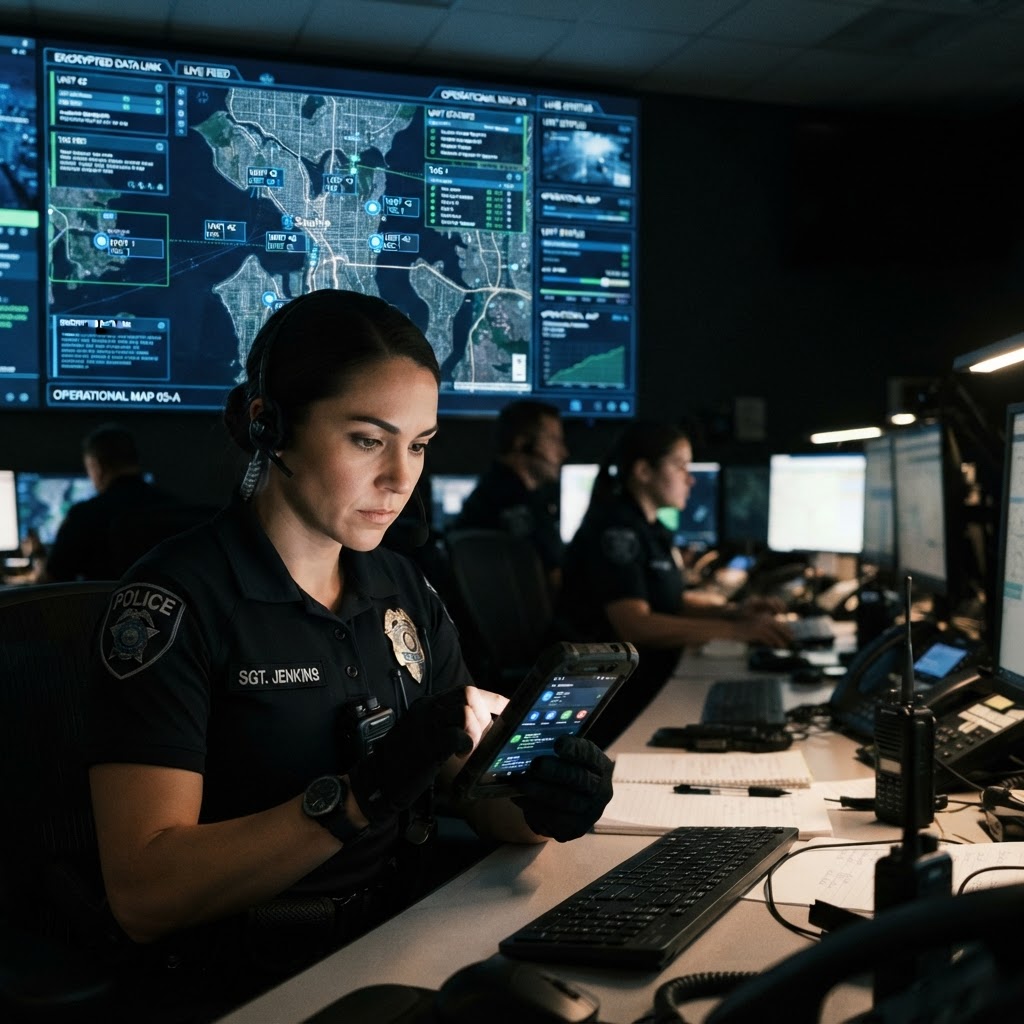
Undercover Agent provides a comprehensive ecosystem for secure tasking, integrating directly with agency-issued Android handsets to maintain a strict, auditable link between command and the field. The platform utilizes Cyber-Link for secure communications and CryptShield to provide quantum-resistant encryption, ensuring that operational directives remain confidential even against advanced SIGINT threats. Unlike commercial messaging apps, every interaction—from text-based tasking to ambient audio capture—is timestamped, hashed, and stored off-device. This architecture ensures that all intelligence gathered is court-admissible, satisfying the rigorous evidentiary standards required for successful prosecution. Furthermore, the platform's Agentic SOC capabilities allow for automated risk-pattern detection, enabling command centres to prioritize alerts and coordinate rapid responses without manual intervention, thereby reducing the cognitive load on field personnel.
Illustrative Case Studies
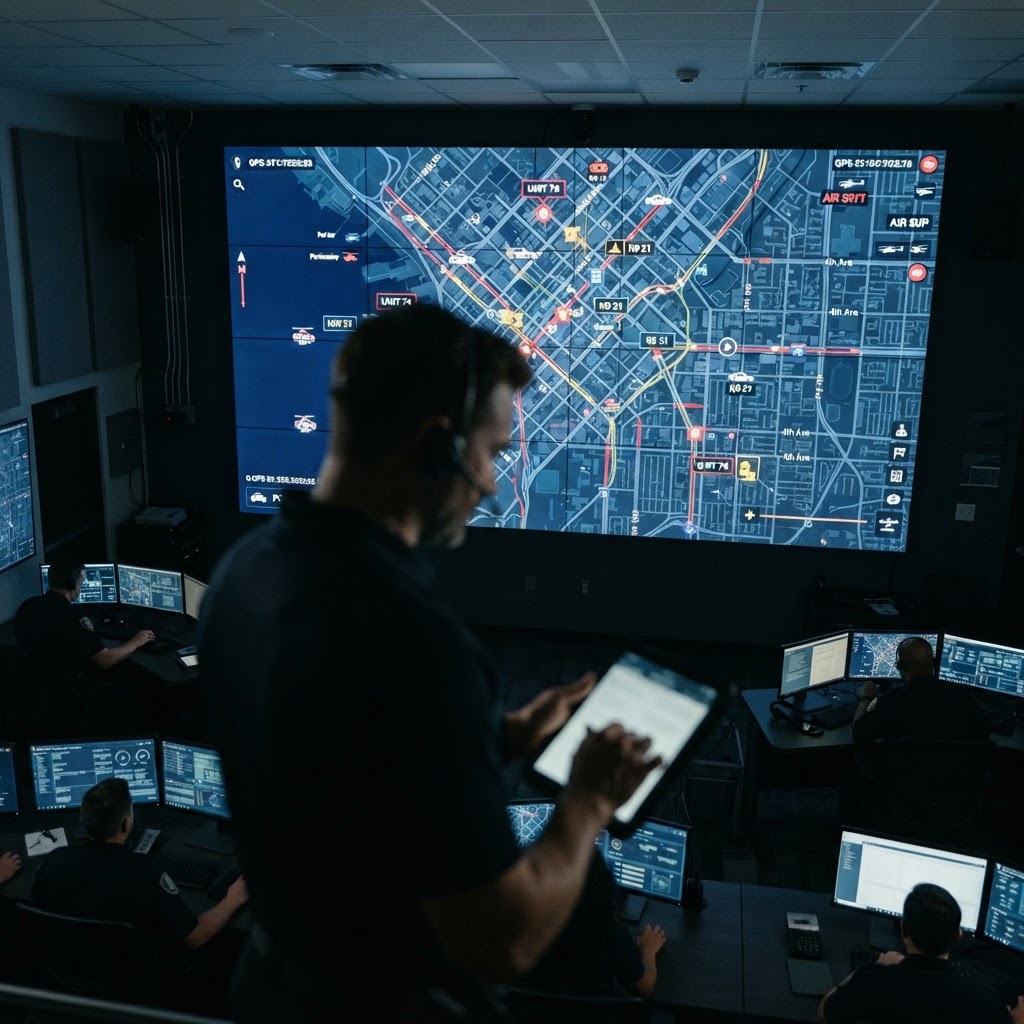
In an illustrative composite scenario involving a multi-jurisdictional narcotics investigation, a task force utilized the platform to coordinate real-time movements. By leveraging the C2 dashboard, command personnel maintained live location awareness and triggered ambient audio capture during a high-risk meeting, ensuring the operative's safety while simultaneously securing admissible evidence of the transaction. In a second illustrative composite scenario, an agency investigating organized crime used the platform’s AI-powered transcription and translation features to process intercepted communications in real-time. This allowed the team to correlate intelligence across multiple field units, identifying a shift in the suspect's operational pattern that triggered an automated alert, allowing the team to adjust their tactical posture before the suspect could evade surveillance.
Practical Takeaways
For law enforcement agencies, the transition to a dedicated intelligence platform is a matter of operational security and legal defensibility. Encrygma analysts assess that the Undercover Agent platform addresses the critical need for 'front-door' access to operational data while maintaining the integrity of the evidence. Agencies must ensure that deployment is scoped to authorized cases and governed by strict internal policies to align with the Encrygma Threat Severity Index (ETSI) protocols. By centralizing command and control, agencies eliminate the risks associated with personal device usage and ensure that every piece of intelligence is handled within a secure, auditable, and legally compliant framework.
Learn More
To enhance your agency's operational security and evidence-gathering capabilities, visit Undercover Agent to review the full technical specifications and deployment models. The platform provides the necessary tools to protect field operatives while ensuring that all intelligence is captured, stored, and managed in accordance with the highest standards of law enforcement practice. Contact the technical team to discuss how your agency can integrate these capabilities into your existing infrastructure.