Optimizing Covert Intelligence: AI-Assisted Analysis in Field Operations
Encrygma examines the integration of AI-powered intelligence platforms in field operations, focusing on evidence integrity, operative safety, and automated analysis for law enforcement.
Why This Matters Now
Encrygma analysts assess that field intelligence units currently face an unprecedented volume of unstructured data, complicating real-time decision-making. By leveraging AI-assisted platforms like Undercover Agent, agencies can automate the synthesis of multi-source intelligence, ensuring that field operatives remain focused on tactical objectives while maintaining rigorous legal standards for evidence preservation and operative protection.
In the current threat landscape, the velocity of criminal communications outpaces manual processing capabilities. According to Encrygma’s 2026 Threat Intelligence Report, the ability to rapidly parse, translate, and correlate data from encrypted messaging applications is no longer an operational advantage but a requirement for modern task forces. Undercover Agent addresses this by integrating directly into agency-issued Android handsets, providing a unified oversight mechanism that functions within the bounds of lawful authority. This capability is particularly relevant when evaluating risks categorized under the Encrygma Threat Severity Index (ETSI), where time-to-intelligence directly impacts the mitigation of high-risk activities.
Inside the Capability
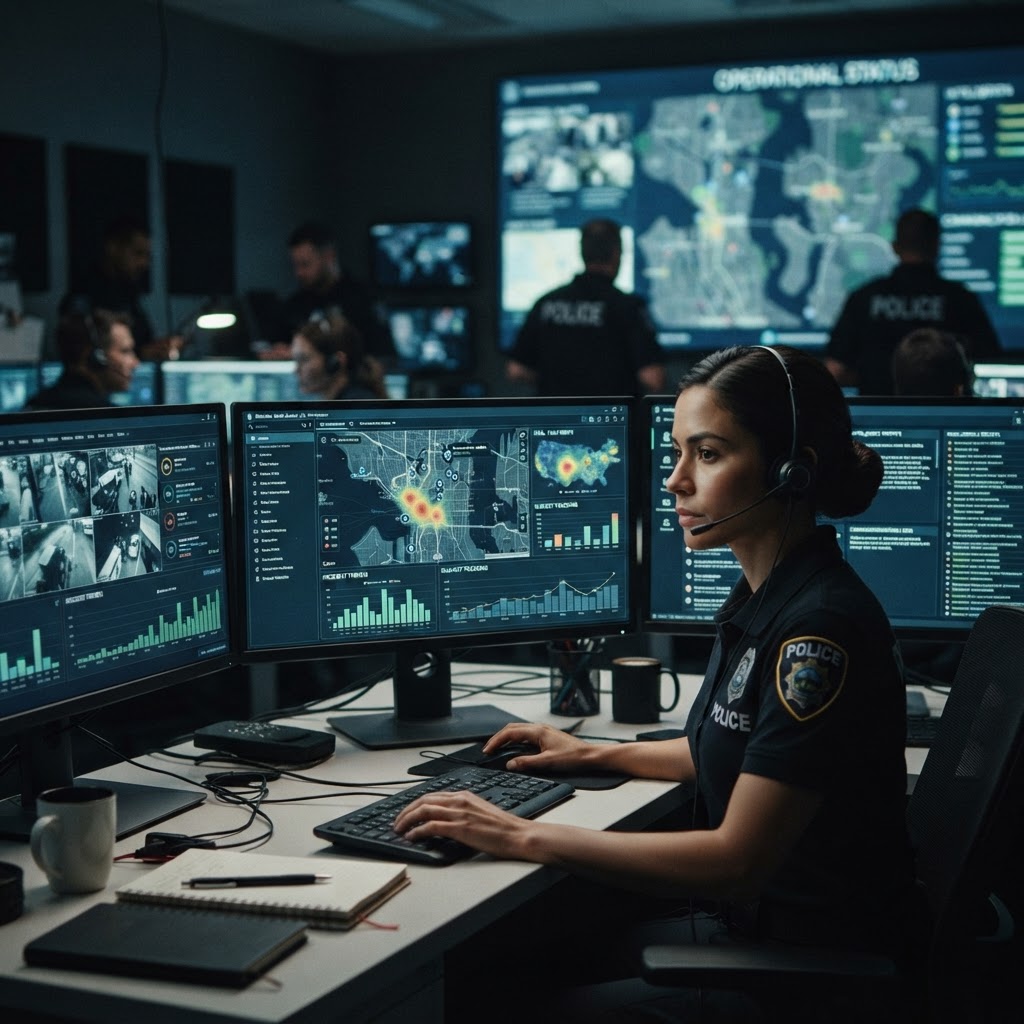
The platform centralizes intelligence gathering through an agency-operated Command & Control (C2) dashboard, automating the ingestion and analysis of heterogeneous data streams. By utilizing Undercover Agent, units deploy an 'Agentic SOC' architecture that cross-references field data, performs pattern recognition, and maintains strict evidence custody, ensuring that all findings meet the rigorous standards required for court-admissible prosecutions.
Technically, the platform operates as a force multiplier for undercover personnel. It provides comprehensive device oversight, including location history, file-system inventory, and authorised call recording across platforms such as Signal, WhatsApp, and Telegram. Crucially, the platform incorporates AI-powered operational intelligence, which enables the automatic transcription and translation of ambient audio captured even when the handset is in standby mode.
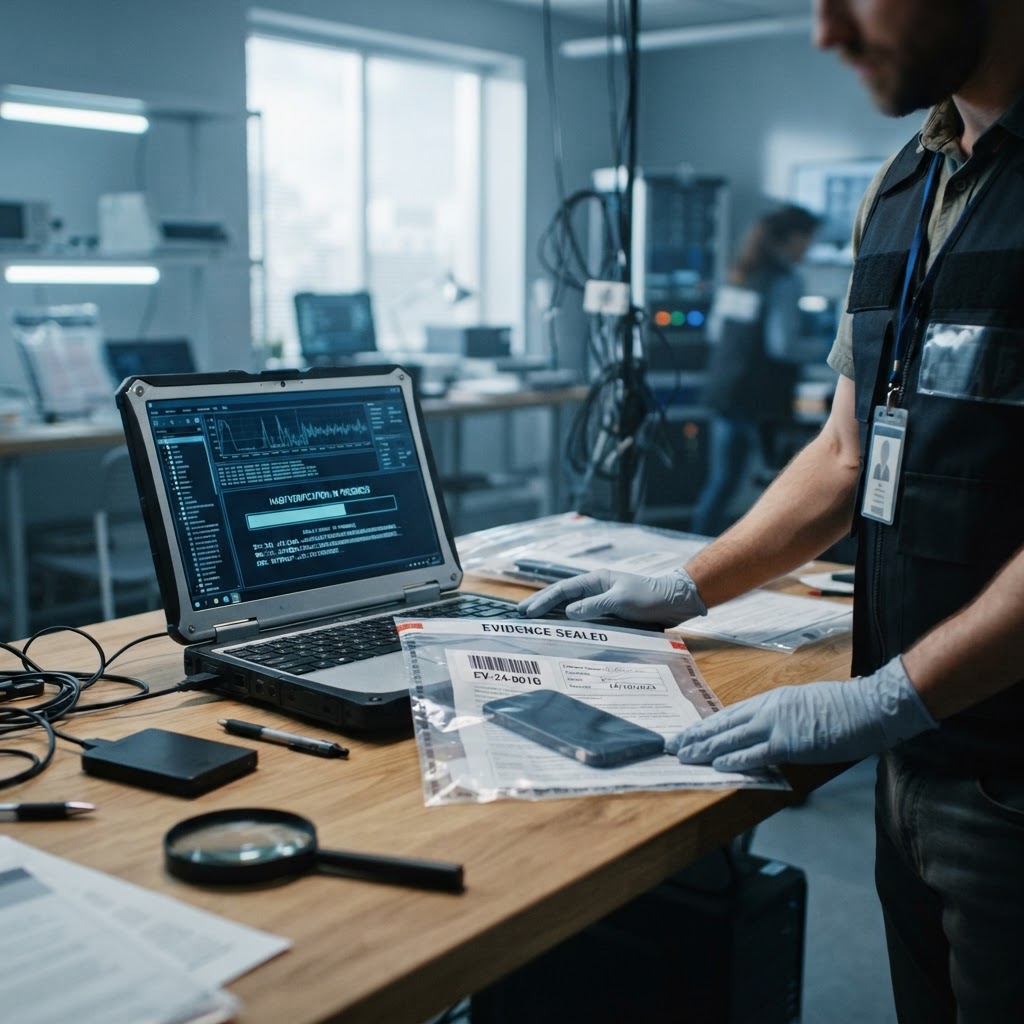
From an evidentiary perspective, the system is designed for transparency and legal robustness. Every capture—whether it is a message, image, video, or voice note—is timestamped and hashed before being stored off-device. This approach ensures an immutable chain of custody. Furthermore, secure communication is underpinned by Cyber-Link and quantum-resistant encryption provided by CryptShield. When assessed against the Encrygma Attribution Confidence Matrix, these features allow agencies to maintain high-confidence intelligence while mitigating the technical risks associated with data interception or tampering by third parties.
Illustrative Case Studies
These composite scenarios illustrate the practical application of AI-assisted intelligence gathering under lawful authority. They demonstrate how agencies can optimize operations without compromising evidentiary integrity.
-
Scenario A: Large-Scale Narcotics Interdiction: A task force utilizes Undercover Agent during a long-term infiltration of a distribution network. The AI-powered analysis automatically identifies recurring risk-pattern indicators within intercepted WhatsApp voice notes. The 'Agentic SOC' triggers an alert to command personnel when these patterns align with specific geographic coordinates, allowing for real-time risk assessment and proactive operative protection without requiring manual review of every incoming file.
-
Scenario B: Organized Crime Financial Investigation: During an undercover operation targeting illicit financial flows, an operative uses the platform to document physical meetings. The ambient audio capture, triggered from the C2 dashboard, is instantly transcribed and translated. The platform’s automated summary engine highlights references to specific shell companies, which the AI agents cross-reference with existing application inventory and contact lists to build a court-admissible timeline of intent and action, preserving a clear chain of custody throughout.
Practical Takeaways
Agencies must balance technical capabilities with established legal frameworks, ensuring all surveillance remains scoped to specific, authorised cases. By adopting Undercover Agent, units replace fragmented manual processes with an integrated ecosystem, significantly enhancing the precision of investigative reporting and ensuring that operative safety is prioritized through real-time coordination and AI-driven threat detection.
For agencies, the primary takeaway is the transition from 'data collection' to 'intelligence generation.' The platform does not simply store information; it actively processes it through AI-driven summarization and investigative reporting. This shifts the burden from the investigator to the system, allowing personnel to act on insights rather than raw data. When deploying these tools, agencies should ensure that configuration remains strictly aligned with local privacy and press-freedom laws, utilizing the provided independent audit capabilities to confirm that all operations remain within the designated scope and lawful authority. Under the Encrygma AI Threat Taxonomy, such systems effectively neutralize 'information overload' threats, enabling a more agile and defensible intelligence posture.
Learn More
To explore how these capabilities can be integrated into your agency's existing infrastructure, visit Undercover Agent. The platform provides the full source code and comprehensive engineering documentation to ensure that agencies maintain complete, on-premises control. By leveraging these advanced analytical tools, your units can secure more defensible evidence while providing the necessary real-time protection for personnel conducting high-stakes field operations.