criticalCritical Infrastructure
Iranian-Linked Cyber Actors Target U.S. Water Infrastructure Across Seven States via Exposed PLC Vulnerabilities
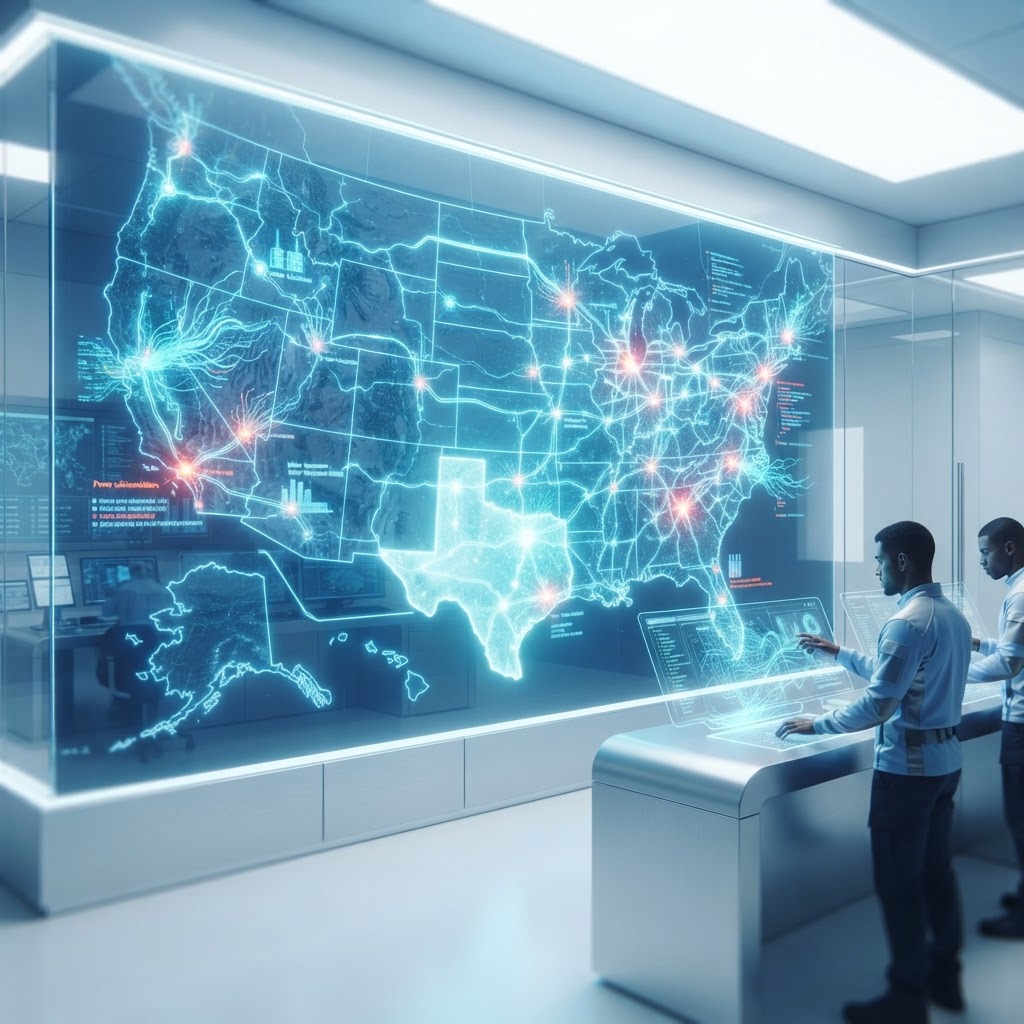
A coordinated cyber campaign targeting water and wastewater systems has expanded to seven U.S. states, prompting urgent federal warnings regarding internet-exposed Programmable Logic Controllers (PLCs).
₿
Encrygma is selling the entire Full Cyber Weapon Research of Iranian-Linked Cyber Actors Target U.S. Water Infrastructure Across Seven States via Exposed PLC Vulnerabilities for ₿ 0.10 BTC. Contact us.
05 August 2026Last updated 20 August 20264 min readMandiant
E
Encrygma AI Cyber Weapons Advisory Services : ₿ 0.10 BTCWe sell the full cyber research about this cyber weapon, including full source code, technical blueprints, exploits, implants and control and command dashboards. Consult with us · Telegram
Executive Takeaway — TL;DR
- Category:
- Critical Infrastructure
- Severity:
- Critical
- Actor Type:
- Nation-State
- Geography:
- North America
- Confidence:
- High Confidence
- Source:
- Mandiant
- Read Time:
- 4 min
Executive Summary\n\nAs of August 5, 2026, federal authorities have confirmed a significant escalation in cyber operations targeting the U.S. Water and Wastewater Sector (WWS). Following initial reports from Minnesota, where over 30 municipal water systems were compromised, the FBI and CISA now report similar activity across seven states. These attacks specifically target internet-facing Programmable Logic Controllers (PLCs), leading to operational disruptions and the issuance of local boil-water notices. According to The Guardian, officials suspect Iranian state-sponsored actors are behind the campaign.\n\n## Threat Analysis\n\nThe current campaign represents a strategic shift by adversaries from passive reconnaissance to active disruption of life-sustaining infrastructure. By targeting the WWS, actors are exploiting the sector's historically lower cybersecurity maturity compared to the energy or financial sectors. The primary objective appears to be the creation of public distress and the demonstration of capability to penetrate U.S. domestic infrastructure. As noted by PBS News, this growing wave of attacks highlights a critical vulnerability in the nation's decentralized utility management.\n\n## Technical Details\n\nThe attackers are leveraging publicly accessible search engines like Shodan and Censys to identify internet-exposed PLCs, particularly those used in pumping stations and filtration plants. The primary vector involves exploiting default administrative credentials or known vulnerabilities in outdated firmware. Once access is gained, the actors modify PLC configuration settings, change administrative passwords to lock out legitimate operators, and alter IP addresses to sever remote management capabilities. In several instances, this has forced utilities to switch to manual operations to maintain water pressure and chemical balance. CISA has urged all utilities to remove these devices from the public internet immediately.\n\n## Attribution Assessment\n\nIntelligence gathered by Mandiant and federal agencies strongly suggests an Iranian-nexus actor is responsible. The tactics, techniques, and procedures (TTPs) align with previous activity attributed to groups such as the 'Cyber Av3ngers,' who have historically targeted Israeli-made technology used globally. While some reports initially suggested Chinese involvement (Volt Typhoon), the specific focus on water systems and the timing of the escalations point toward Iranian retaliatory motives. The Washington Post reports that spy agencies are increasingly confident in the Iranian link.\n\n## Implications\n\nThe immediate implication is a direct threat to public health and safety. While no water contamination has been reported to date, the loss of automated control increases the risk of chemical over-dosing or pressure failures that could lead to pipe bursts. Furthermore, these incidents highlight the systemic vulnerability of the U.S. decentralized water infrastructure, where thousands of small municipalities lack the resources for robust OT security. The potential for cascading failures across interconnected sectors remains a high-priority concern for national security.\n\n## Recommendations\n\nEncrygma recommends that all critical infrastructure operators immediately audit their networks for internet-exposed OT assets. Specific actions include: 1) Disconnecting all PLCs and HMIs from the public internet and placing them behind a VPN or hardware firewall. 2) Implementing mandatory multi-factor authentication (MFA) for all remote access. 3) Changing all default manufacturer passwords. 4) Establishing an offline 'gold image' of PLC configurations to facilitate rapid recovery. Operators should also monitor for unauthorized changes to IP addresses or administrative credentials as early indicators of compromise.

ENCRYGMA
Need Zero Click Spyware for Android and iOS?
Encrygma delivers serverless, offline, quantum-safe encrypted communications built for executives, agencies, and operators facing zero-click spyware and advanced mobile surveillance threats.
Share
Back to News RoomRelated Intelligence

UK Cyber Chief Warns of AI-Powered Ransomware Attacks on Critical Infrastructure by 2028
03 Nov 2026

Escalating Cyber Threats Target U.S. Critical Infrastructure: Nuclear and Military Facilities Under Siege
02 Nov 2026
NATO Escalates Undersea Infrastructure Defense Amid Rising Hybrid Threats to Critical Energy and Data Networks
01 Nov 2026