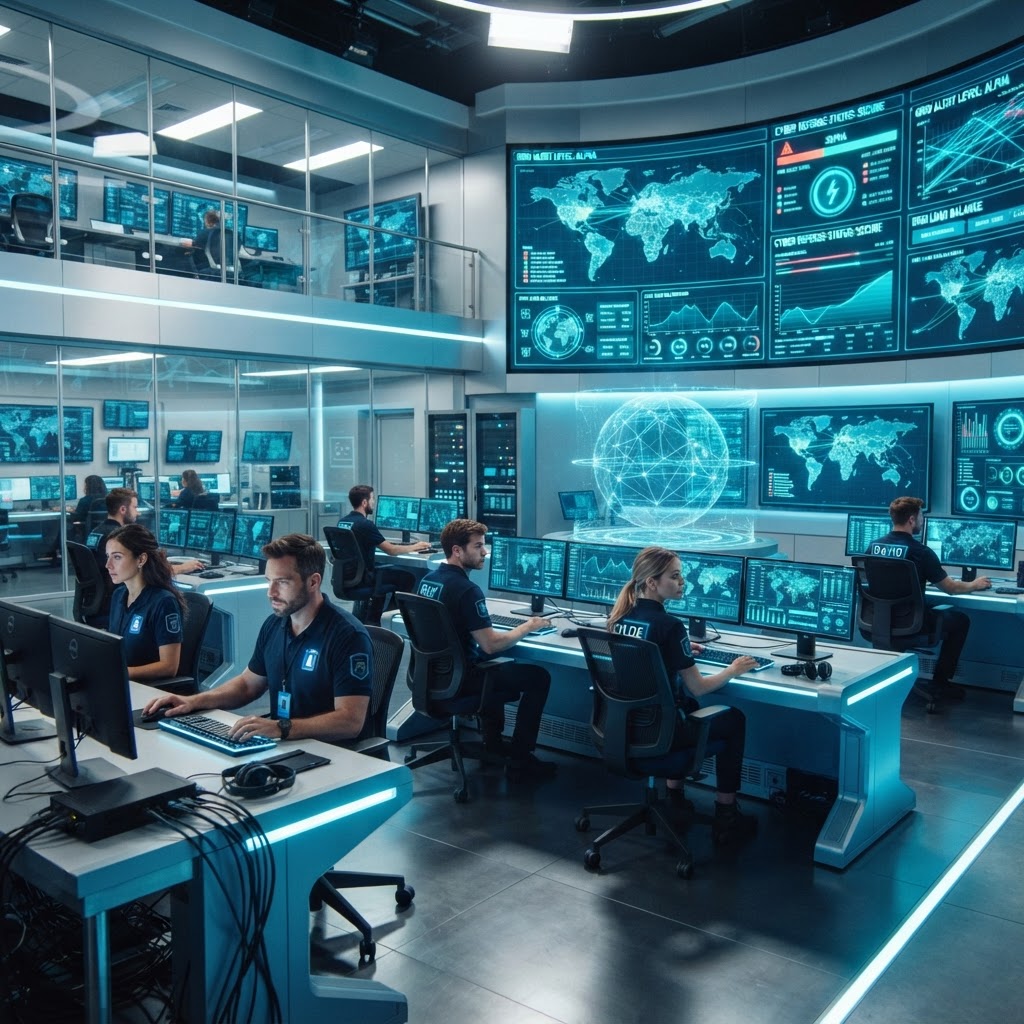
Federal Agencies Issue Urgent Warning on AI-Enhanced Cyber Attacks Targeting Siemens Industrial Controllers
Federal authorities have issued an urgent alert regarding malicious actors utilizing AI-assisted tools to exploit vulnerabilities in Siemens industrial controllers. These attacks pose a direct threat to critical water and energy infrastructure across the United States.
Executive Takeaway — TL;DR
- Category:
- Critical Infrastructure
- Severity:
- Critical
- Actor Type:
- Nation-State
- Geography:
- United States
- Confidence:
- High Confidence
- Source:
- CISA / Federal Intelligence Agencies
- Read Time:
- 4 min
Executive Summary
On August 20, 2026, federal cybersecurity agencies issued a high-priority warning regarding an escalation in cyber threats targeting critical infrastructure. Malicious actors are increasingly leveraging AI-assisted reconnaissance and exploitation tools to target Siemens programmable logic controllers (PLCs). This development marks a significant shift in the threat landscape, as attackers move beyond traditional manual exploitation to automated, high-speed identification of vulnerable operational technology (OT) assets.
Threat Analysis
The current campaign focuses on the exploitation of internet-exposed OT devices. By utilizing AI-driven scanning, adversaries are able to identify specific firmware versions and misconfigurations in Siemens hardware with unprecedented speed. This activity is part of a broader, ongoing trend observed throughout 2026, where state-sponsored and affiliated groups have targeted the US water, wastewater, and energy sectors to cause operational disruption and signal geopolitical intent.
Technical Details
The attacks primarily target the communication interfaces of Siemens PLCs. Threat actors are deploying custom scripts that automate the interaction with industrial protocols, specifically looking for devices that lack proper network segmentation or are directly exposed to the public internet. Once access is gained, the actors attempt to modify logic parameters or force device reboots, leading to potential service outages. Recent intelligence suggests the use of sophisticated obfuscation techniques to bypass traditional signature-based detection systems.
Attribution Assessment
While federal authorities have not publicly named a specific state actor for this latest wave, the TTPs (Tactics, Techniques, and Procedures) align with previous campaigns attributed to Iranian-affiliated groups and other state-sponsored entities that have been active throughout the summer of 2026. The coordination and scale of these attacks suggest a well-resourced adversary focused on persistent access and the ability to trigger localized disruptions at will.
Implications
The continued targeting of water and energy systems creates a high-risk environment for municipal operators. The potential for physical damage to equipment, combined with the disruption of essential services, necessitates an immediate review of OT security postures. The reliance on internet-exposed PLCs remains the single greatest vulnerability in the current infrastructure architecture.
Recommendations
- Immediate Disconnection: All internet-exposed PLCs and OT devices must be removed from public-facing networks and placed behind robust, air-gapped firewalls or secure VPNs.
- Firmware Audits: Operators should verify that all Siemens controllers are running the latest patched firmware versions to mitigate known vulnerabilities.
- Network Segmentation: Implement strict micro-segmentation between IT and OT environments to prevent lateral movement.
- Enhanced Monitoring: Deploy specialized OT-aware intrusion detection systems (IDS) to monitor for anomalous traffic patterns indicative of AI-assisted scanning or unauthorized command injection.

Need Zero Click Spyware for Android and iOS?
Encrygma delivers serverless, offline, quantum-safe encrypted communications built for executives, agencies, and operators facing zero-click spyware and advanced mobile surveillance threats.
Related Intelligence
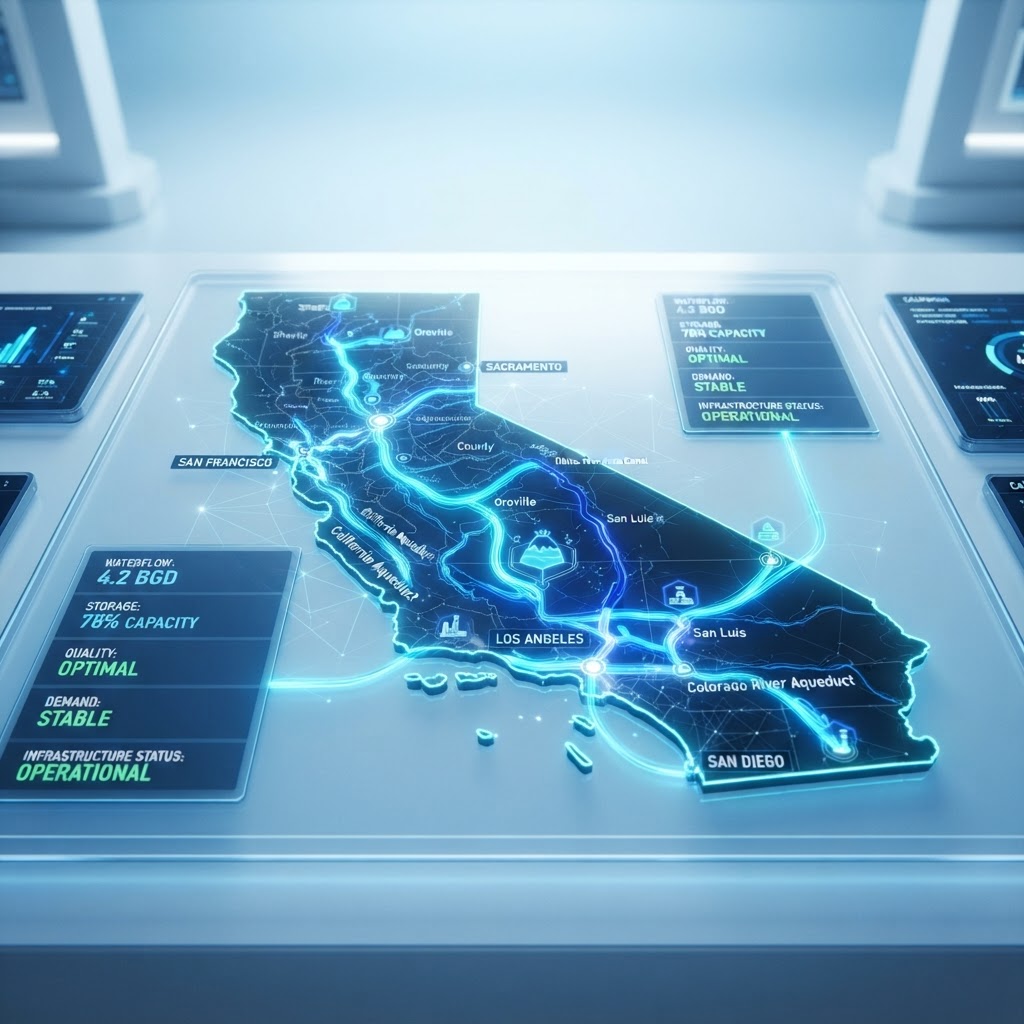
Escalating Cyber Threats to US Water Infrastructure: Handala Group and AI-Driven Defense Initiatives
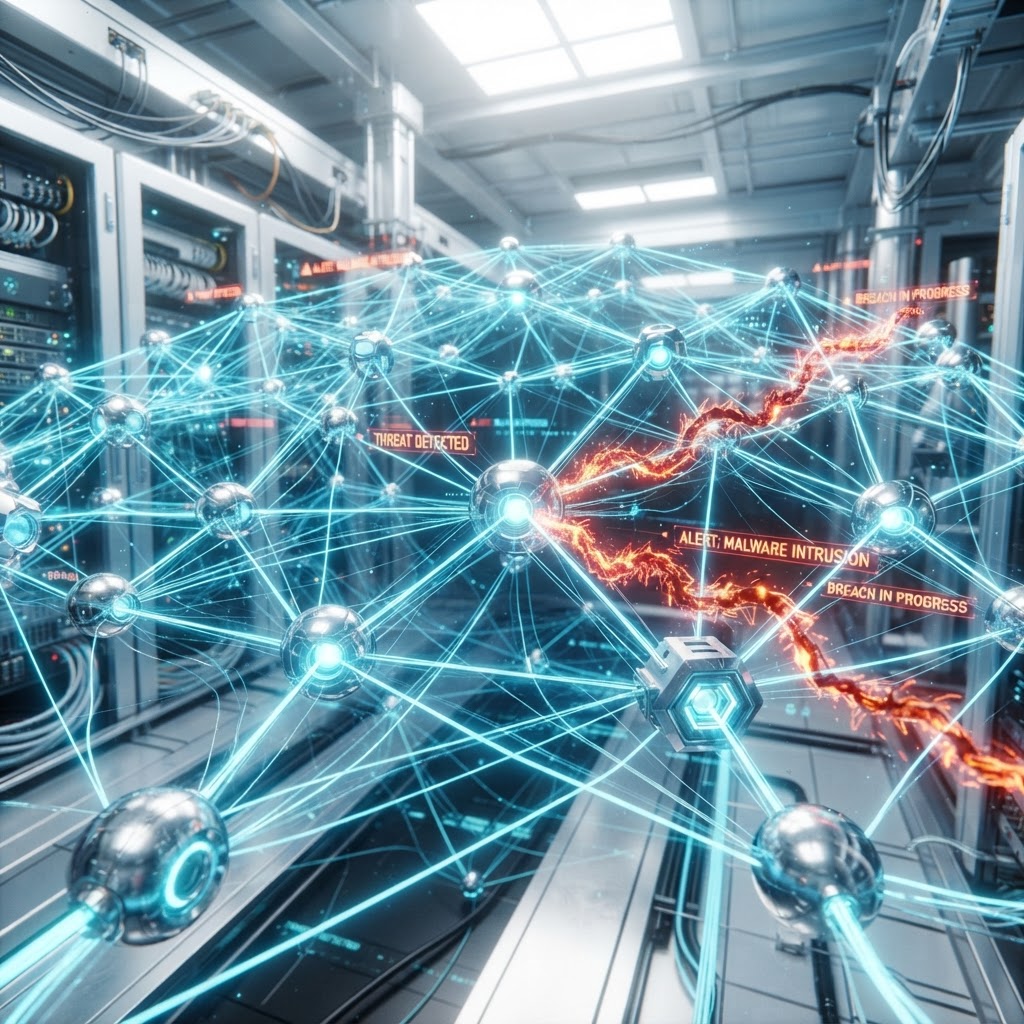
US Rewards $10M as Iranian Cyber Actors Target Critical Water and Energy Industrial Control Systems