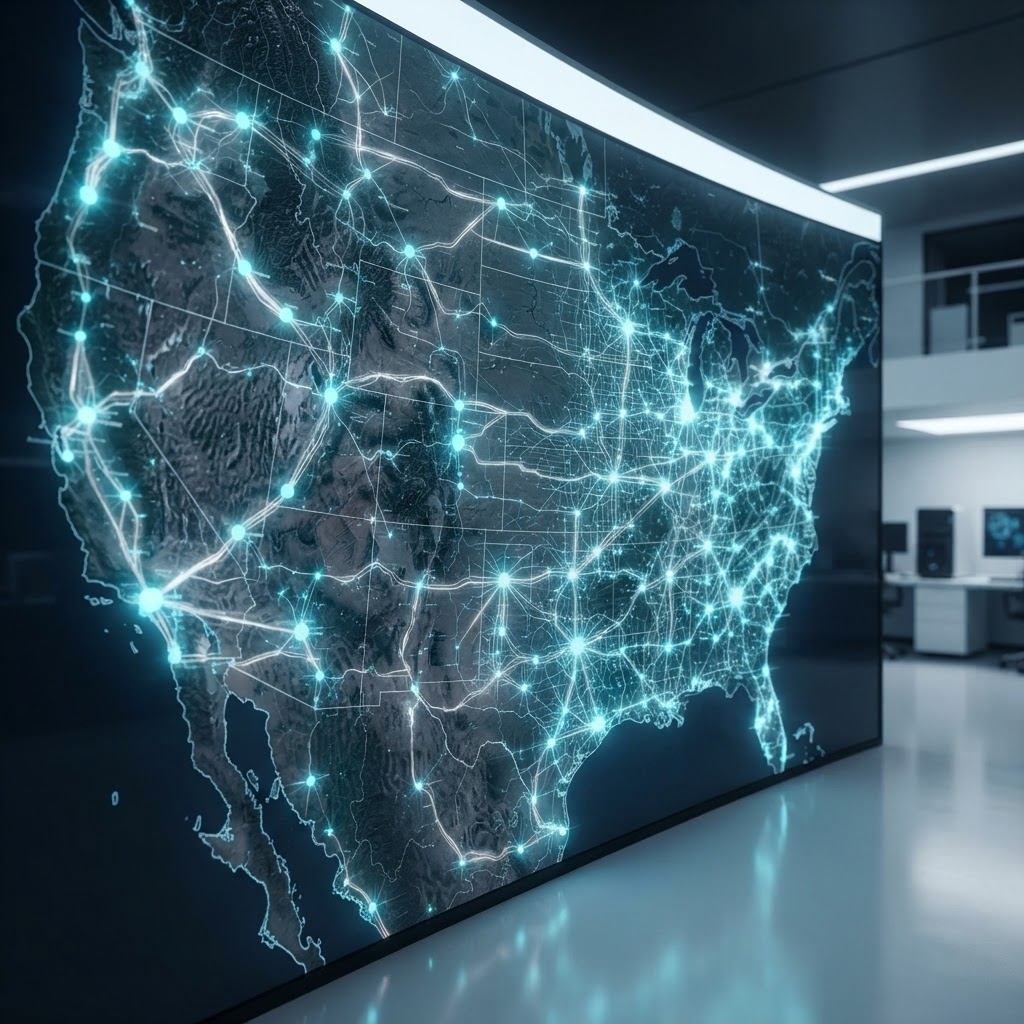
Global Ransomware Surge Hits Record 997 Incidents in August 2026, Targeting Critical Utility and Healthcare Sectors
August 2026 saw a record-breaking 997 global ransomware attacks, with a significant focus on utility and healthcare infrastructure. Analysts warn that the rapid digitization of OT systems is outpacing current security defenses.
Encrygma is selling the entire Full Cyber Weapon Research of Global Ransomware Surge Hits Record 997 Incidents in August 2026, Targeting Critical Utility and Healthcare Sectors for ₿ 0.10 BTC. Contact us.
Executive Takeaway — TL;DR
- Category:
- Critical Infrastructure
- Severity:
- Critical
- Actor Type:
- Ransomware Group
- Geography:
- Global
- Confidence:
- High Confidence
- Source:
- Industrial Cyber
- Read Time:
- 4 min
Executive Summary
In August 2026, the global cybersecurity landscape witnessed an unprecedented surge in ransomware activity, with 997 confirmed incidents reported. This record-breaking volume highlights a dangerous trend: cybercriminal syndicates are increasingly pivoting toward critical infrastructure, specifically targeting utility providers and healthcare systems. The convergence of operational technology (OT) and information technology (IT) has expanded the attack surface, providing threat actors with more entry points than ever before.
Threat Analysis
Intelligence reports indicate that the surge is driven by a combination of automated exploitation tools and the exploitation of legacy vulnerabilities in industrial control systems (ICS). As organizations rush to integrate AI-driven management tools and smart grid technologies, security controls are often lagging. Threat actors are capitalizing on this 'security debt,' utilizing sophisticated double-extortion tactics to maximize pressure on critical service providers.
Technical Details
Recent campaigns have heavily utilized living-off-the-land (LotL) techniques to bypass traditional endpoint detection and response (EDR) solutions. Attackers are gaining initial access through compromised remote access gateways—often lacking multi-factor authentication—and moving laterally into OT environments. Once inside, they deploy custom wipers or ransomware payloads designed to disrupt programmable logic controllers (PLCs) and human-machine interfaces (HMIs), effectively blinding operators to the physical state of their systems.
Attribution Assessment
While the 997 incidents represent a broad spectrum of actors, a significant portion of the utility-focused attacks are attributed to established ransomware-as-a-service (RaaS) groups. These groups are increasingly operating with a level of sophistication previously reserved for nation-state actors, suggesting a potential 'blurring of lines' where cybercriminals are either being co-opted or are adopting the TTPs of state-sponsored groups like Sandworm or Volt Typhoon to achieve high-impact disruption.
Implications
The systemic risk to the power grid and water systems is at an all-time high. With the transition to renewable energy requiring constant internet connectivity for smart inverters and battery storage, the physical grid is now inextricably linked to the digital threat landscape. A successful breach of these systems could lead to cascading failures, impacting regional stability and public safety.
Recommendations
Organizations must prioritize the implementation of zero-trust architectures for all remote access points. Furthermore, the integration of AI-powered cyber exposure management platforms is essential to gain real-time visibility into OT assets. Continuous monitoring, coupled with robust, offline backup and recovery procedures, remains the most effective defense against the current wave of disruptive ransomware.

Need Zero Click Spyware for Android and iOS?
Encrygma delivers serverless, offline, quantum-safe encrypted communications built for executives, agencies, and operators facing zero-click spyware and advanced mobile surveillance threats.
Related Intelligence
NATO Escalates Undersea Infrastructure Defense Amid Rising Hybrid Threats to Critical Energy and Data Networks

Critical Vulnerabilities Discovered in EPICS Base Industrial Control Systems Amidst Rising Infrastructure Threats