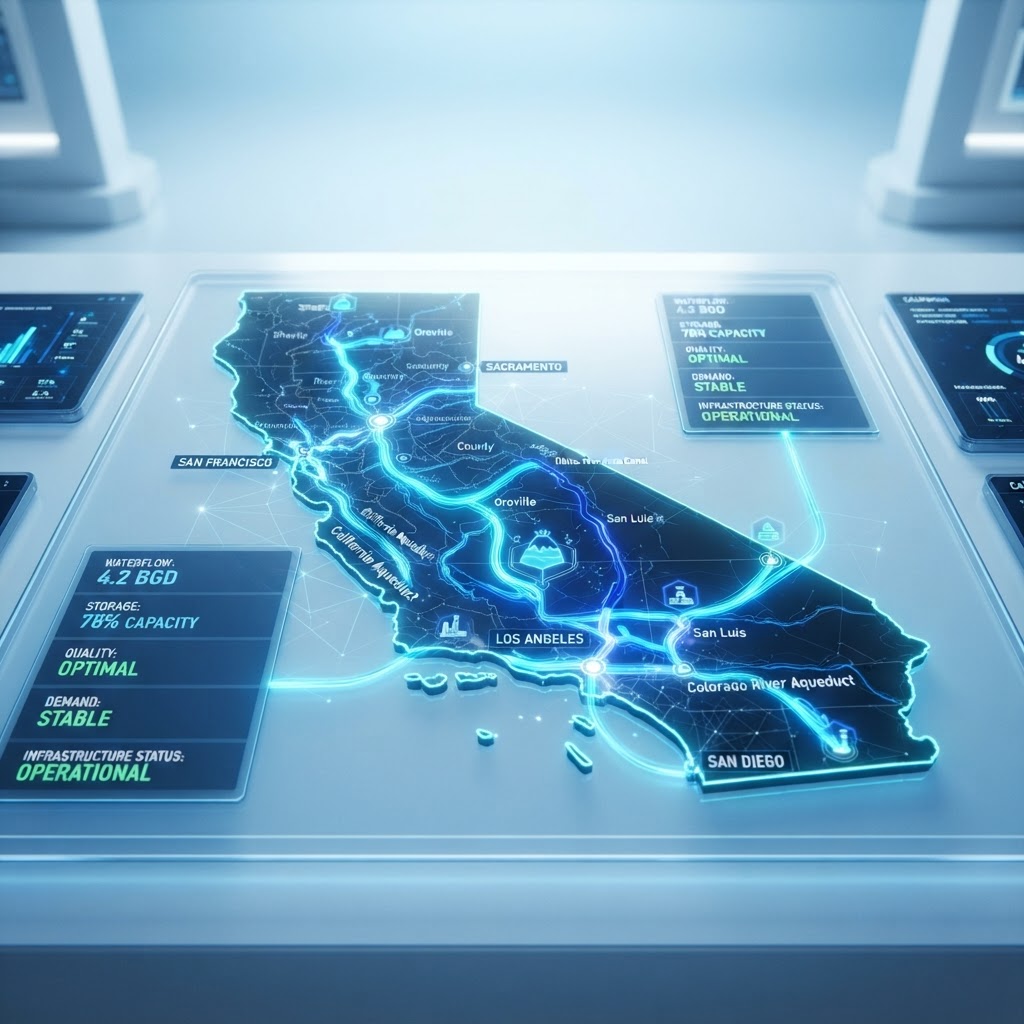
Escalation in 2026 Iran War: State-Sponsored Cyber Operations Target Global Critical Infrastructure
As the 2026 Iran war intensifies, state-sponsored actors are increasingly targeting critical infrastructure. Intelligence reports indicate a surge in AI-driven cyber warfare operations across the Middle East.
Executive Takeaway — TL;DR
- Category:
- State Cyber Warfare
- Severity:
- Critical
- Actor Type:
- Nation-State
- Geography:
- Middle East
- Confidence:
- High Confidence
- Source:
- Microsoft MSTIC
- Read Time:
- 4 min
Executive Summary
As of September 15, 2026, the ongoing conflict between Iran, Israel, and the United States has entered a critical phase of digital escalation. Following the initial kinetic operations in February, the theater of war has expanded into a persistent, high-intensity cyber conflict. Intelligence indicates that state-sponsored actors are now prioritizing the disruption of critical national infrastructure (CNI) to achieve strategic advantages, moving beyond traditional espionage into destructive and destabilizing operations.
Threat Analysis
The current threat landscape is defined by the integration of AI-driven offensive capabilities into standard APT (Advanced Persistent Threat) playbooks. Threat actors are leveraging automated vulnerability discovery to exploit zero-day flaws in industrial control systems (ICS) and supervisory control and data acquisition (SCADA) environments. The objective is to degrade the operational capacity of energy grids, water treatment facilities, and telecommunications networks, thereby exerting psychological and economic pressure on opposing coalitions.
Technical Details
Recent telemetry suggests the deployment of advanced wiper malware variants designed to bypass air-gapped security measures. These payloads utilize sophisticated obfuscation techniques and living-off-the-land (LotL) binaries to maintain persistence within target networks. Furthermore, we have observed a significant increase in distributed denial-of-service (DDoS) attacks targeting identity management systems, effectively paralyzing administrative access to critical infrastructure management consoles. The use of AI-generated phishing campaigns has also reached unprecedented levels of sophistication, successfully compromising high-value targets through hyper-personalized social engineering.
Attribution Assessment
Attribution remains complex due to the use of proxy groups and state-aligned hacktivists. However, intelligence suggests that Iranian-affiliated APT groups are coordinating with regional proxies to conduct these operations. Conversely, Western intelligence agencies are actively monitoring these movements, noting a shift in tactics that mirrors the aggressive posture observed in previous state-sponsored cyber campaigns. The involvement of 'bulletproof' hosting providers, as recently sanctioned by the EU, continues to facilitate the infrastructure required for these global campaigns.
Implications
The militarization of cyberspace in 2026 has fundamentally altered the risk profile for global enterprises. With 75% of attacks on critical infrastructure now attributed to state actors, the distinction between civilian and military targets has effectively vanished. Organizations must prepare for the reality that they are collateral damage in a broader geopolitical struggle.
Recommendations
- Implement strict network segmentation to isolate OT/ICS environments from IT networks. 2. Deploy AI-enhanced behavioral analytics to detect anomalous traffic patterns indicative of lateral movement. 3. Conduct regular, high-fidelity incident response drills focusing on destructive malware scenarios. 4. Enhance supply chain visibility to identify and mitigate risks associated with third-party software dependencies.

Need Zero Click Spyware for Android and iOS?
Encrygma delivers serverless, offline, quantum-safe encrypted communications built for executives, agencies, and operators facing zero-click spyware and advanced mobile surveillance threats.
Related Intelligence

Iranian APTs Escalate Attacks on U.S. Water and Energy Infrastructure via Industrial Control System Exploitation

China-Linked 'Fire Ant' APT Weaponizes Cisco Core Routers to Hijack Enterprise Trust Layers