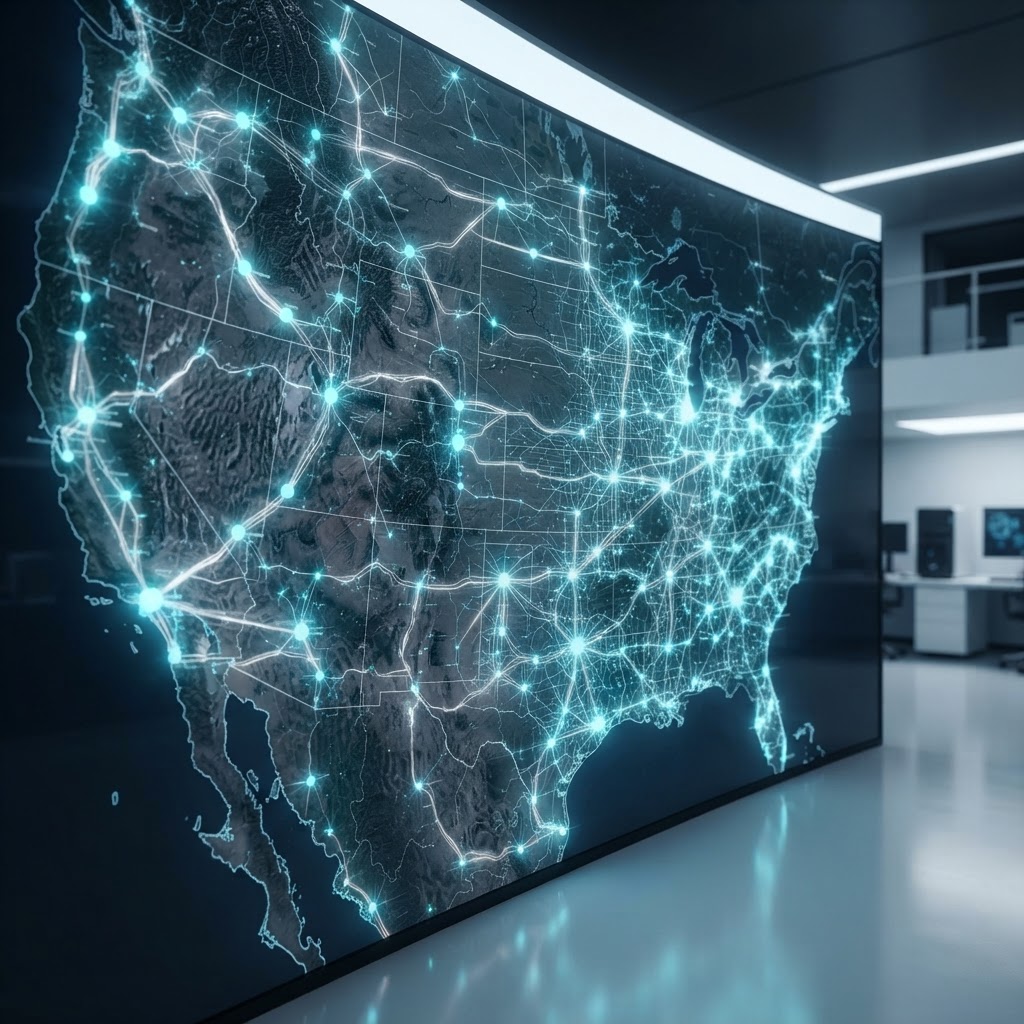
Escalating Cyber Threats Target Middle East Critical Infrastructure Amid Rising Tensions
Recent geopolitical conflicts in the Middle East have led to a surge in cyberattacks targeting critical infrastructure, with Iranian state-sponsored actors and aligned hacktivist groups intensifying operations against power grids, water systems, and financial sectors.
Executive Takeaway — TL;DR
- Category:
- Critical Infrastructure
- Severity:
- Critical
- Actor Type:
- Nation-State
- Geography:
- Middle East
- Confidence:
- Confirmed
- Source:
- Raptor Cyber Intelligence
- Read Time:
- 5 min
Introduction
The Middle East has witnessed a significant escalation in cyberattacks targeting critical infrastructure, coinciding with heightened geopolitical tensions. Following the U.S. and Israeli military operations against Iran on February 28, 2026, Iranian state-sponsored actors and affiliated hacktivist groups have intensified their cyber operations, focusing on sectors such as energy, water, healthcare, and finance. (cyber.gc.ca)
Surge in Cyberattacks
Between February 28 and March 2, 2026, a coordinated wave of 149 hacktivist-driven distributed denial-of-service (DDoS) attacks targeted 110 organizations across 16 countries, primarily in the Middle East. These attacks, attributed to at least 12 hacktivist groups including Keymous+ and DieNet, accounted for nearly 70% of the activity. The majority of targeted organizations were in the government sector, with significant impacts on finance and telecommunications. (rescana.com)
Targeted Sectors
Energy Infrastructure:
Iranian-aligned cyber actors have escalated attacks on energy facilities, including power grids and oil pipelines. Notably, the Ras Laffan complex in Qatar, the world's largest LNG plant, was targeted by a drone on March 3, leading to a partial halt in production. A subsequent missile strike on March 18 resulted in extensive damage and fires. (lemonde.fr)
Water Systems:
While specific incidents targeting water systems have not been publicly disclosed, the heightened cyber activity suggests potential threats to water treatment and distribution networks. The interconnectedness of critical infrastructure systems increases the risk of cascading effects from cyberattacks. (weforum.org)
Healthcare Sector:
The healthcare sector remains a high-value target due to its reliance on digital systems for patient care and data management. Cyberattacks can disrupt medical services, compromise patient data, and erode public trust. While specific incidents have not been reported, the sector's vulnerability is a concern amid escalating cyber threats. (rhisac.org)
Financial Sector:
Financial institutions have been targeted through credential-stuffing attempts and DDoS attacks. Microsoft Threat Intelligence reported increased credential-stuffing attempts against regional financial institutions, indicating a concerted effort to disrupt financial services and access sensitive data. (objectwire.org)
Actor Profiles
Iranian State-Sponsored Actors:
Iran has a history of employing cyber capabilities as a tool of statecraft, with operations attributed to groups such as APT33 and APT34. These actors have demonstrated proficiency in wiper malware, DDoS attacks, and cyber espionage targeting critical infrastructure. (en.wikipedia.org)
Hacktivist Groups:
Aligned with Iranian interests, hacktivist groups have engaged in DDoS attacks, website defacements, and data exfiltration operations. Their activities often serve as a form of protest or to advance political agendas, complicating attribution and response efforts. (rescana.com)
Implications and Recommendations
The escalation in cyberattacks targeting critical infrastructure underscores the need for enhanced cybersecurity measures. Organizations should:
-
Strengthen Monitoring: Implement advanced threat detection systems to identify and respond to cyber threats promptly.
-
Test Incident Response Plans: Regularly conduct drills to ensure readiness in the event of a cyber incident.
-
Assess Supply Chain Dependencies: Evaluate third-party risks and ensure that partners adhere to robust cybersecurity practices.
-
Implement Targeted Hardening: Utilize multi-factor authentication, regular patching, and data backups to fortify defenses.
Proactive measures are essential to mitigate the impact of cyber threats on critical infrastructure and maintain public trust. (aon.com)
Conclusion
The current geopolitical climate in the Middle East has significantly heightened the risk of cyberattacks on critical infrastructure. State-sponsored actors and hacktivist groups are actively targeting sectors such as energy, water, healthcare, and finance. Organizations must remain vigilant, enhance their cybersecurity posture, and collaborate to safeguard critical assets against evolving cyber threats.

Need Zero Click Spyware for Android and iOS?
Encrygma delivers serverless, offline, quantum-safe encrypted communications built for executives, agencies, and operators facing zero-click spyware and advanced mobile surveillance threats.
Related Intelligence
Global Surge in Utility Cyberattacks: 997 Incidents Reported in August 2026

US Agencies Issue Urgent Warning Over AI-Driven Cyber Attacks Targeting Siemens Industrial Controllers