Coordinated Cyberattacks Target Water Infrastructure Across 12 U.S. States
A wave of cyberattacks targeting Programmable Logic Controllers (PLCs) has hit water and wastewater facilities in at least 12 states. Federal agencies suspect foreign state-sponsored actors are responsible.
Executive Takeaway — TL;DR
- Category:
- Critical Infrastructure
- Severity:
- Critical
- Actor Type:
- Nation-State
- Geography:
- United States
- Confidence:
- High Confidence
- Source:
- CISA
- Read Time:
- 4 min
Executive Summary
Over the past week, U.S. critical infrastructure has faced a significant surge in cyber activity targeting the water and wastewater sector. Reports indicate that at least 12 states have experienced operational disruptions linked to unauthorized access to internet-facing Programmable Logic Controllers (PLCs). While no catastrophic failures have been reported, the incidents have triggered widespread concern regarding the security of OT/ICS environments.
Threat Analysis
The current campaign involves the exploitation of internet-exposed industrial control systems. Threat actors are leveraging known vulnerabilities and weak remote access configurations to gain a foothold in municipal utility networks. This activity aligns with recent warnings from CISA and the FBI regarding malicious actors targeting the water sector to cause operational disruptions and financial loss.
Technical Details
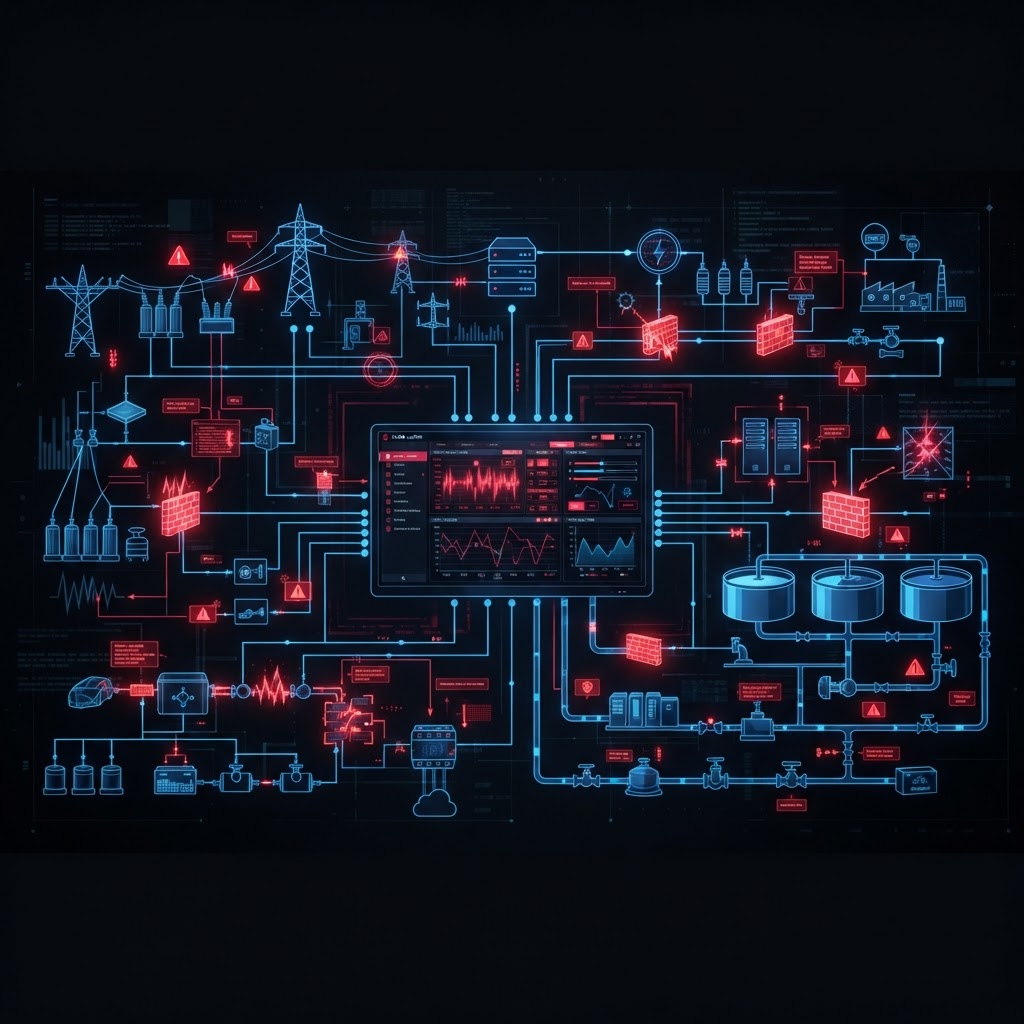
Attackers are primarily targeting internet-facing PLCs, which manage critical water treatment processes. By manipulating configuration settings and interacting with Human-Machine Interfaces (HMIs), the actors have successfully disrupted normal operations. Technical indicators suggest the use of automated scanning tools to identify vulnerable devices, followed by manual exploitation to alter setpoints or disable monitoring capabilities. CISA has issued urgent guidance for organizations to implement secure remote access and review their OT security posture.
Attribution Assessment
While official investigations are ongoing, federal officials and cybersecurity analysts have pointed toward Iranian-affiliated actors as the primary suspects. This assessment is based on the tactics, techniques, and procedures (TTPs) observed, which mirror previous campaigns attributed to state-sponsored groups seeking to exert geopolitical leverage through infrastructure sabotage.
Implications
The targeting of water systems represents a critical inflection point for U.S. infrastructure security. These attacks demonstrate that distributed, often under-resourced municipal utilities are increasingly viewed as viable targets for sophisticated adversaries. The potential for physical impact—such as water quality degradation or service outages—poses a direct threat to public safety.
Recommendations
- Immediately audit all internet-facing OT/ICS assets and remove them from public-facing networks.
- Implement multi-factor authentication (MFA) for all remote access to OT environments.
- Apply vendor-recommended patches for PLC and HMI firmware, specifically addressing recent CVEs identified by CISA.
- Establish an incident response plan tailored to OT/ICS environments and coordinate with CISA regional offices for threat intelligence sharing.

Need Zero Click Spyware for Android and iOS?
Encrygma delivers serverless, offline, quantum-safe encrypted communications built for executives, agencies, and operators facing zero-click spyware and advanced mobile surveillance threats.
Related Intelligence

Iranian-Linked APTs Escalate Cyber-Sabotage Campaign Against US and European Critical Infrastructure
US Rewards $10M as Iranian Cyber Actors Target Critical Water and Energy Industrial Control Systems