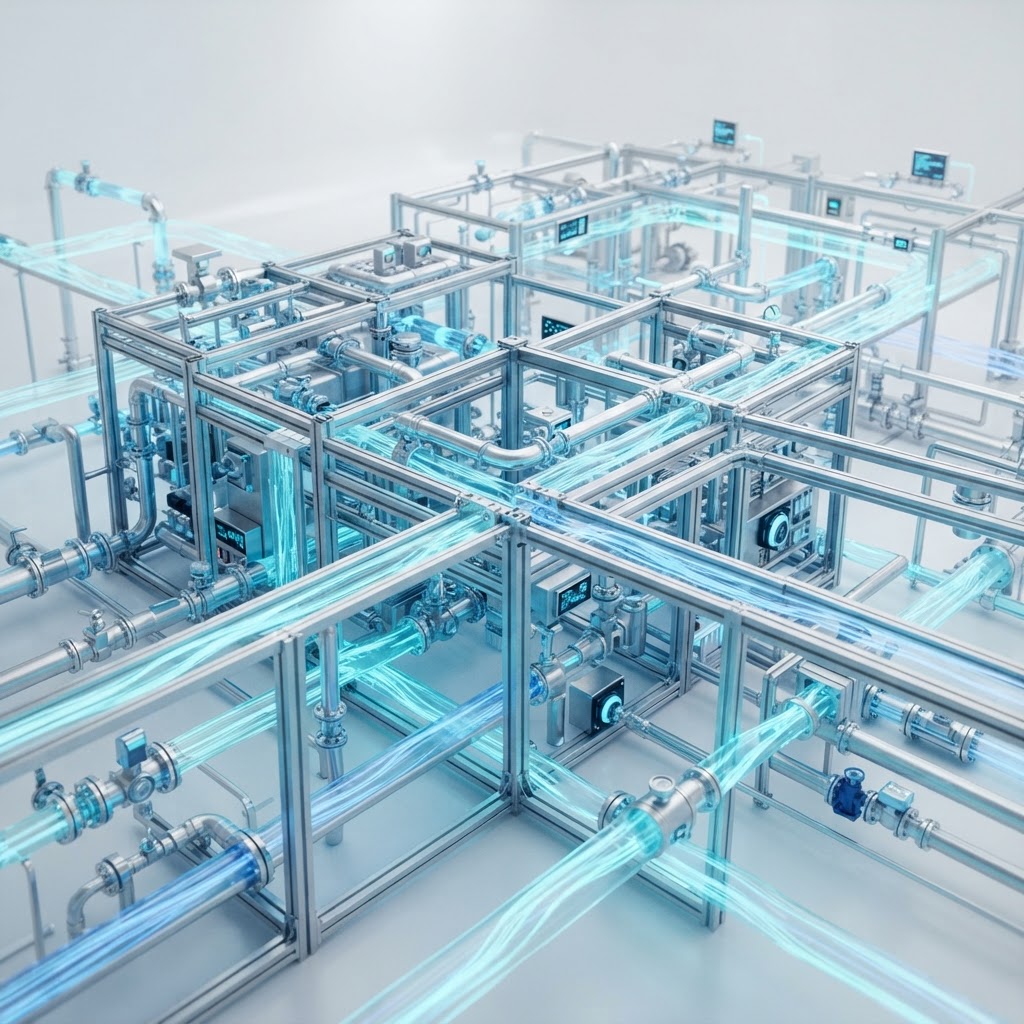
CISA Issues Urgent Warning as Iranian-Linked Actors Target Industrial PLCs in Water Sector
CISA has issued an urgent alert regarding a surge in cyber attacks targeting Programmable Logic Controllers (PLCs) within water and wastewater systems. Threat actors are actively locking out operators and disrupting critical water services across multiple states.
Executive Takeaway — TL;DR
- Category:
- Critical Infrastructure
- Severity:
- Critical
- Actor Type:
- Nation-State
- Geography:
- North America
- Confidence:
- High Confidence
- Source:
- CISA
- Read Time:
- 4 min
Executive Summary
As of late September 2026, the Cybersecurity and Infrastructure Security Agency (CISA) has escalated its warnings regarding a persistent campaign targeting the Water and Wastewater Systems (WWS) sector. Threat actors, identified with high confidence as being linked to Iranian state-sponsored entities, are exploiting publicly exposed Operational Technology (OT) to disrupt essential services. This campaign, which gained significant momentum in July 2026, continues to impact water facilities of all sizes, forcing manual operations and triggering boil-water notices.
Threat Analysis
The threat landscape for critical infrastructure has shifted toward direct interference with industrial control systems. Unlike traditional ransomware that encrypts data for extortion, these actors are focused on operational disruption. By targeting PLCs, the attackers aim to degrade the reliability of water delivery systems. The persistence of these actors suggests a strategic intent to map and potentially sabotage regional infrastructure, moving beyond simple reconnaissance to active interference.
Technical Details
The primary attack vector involves the exploitation of internet-facing PLCs. Attackers are identifying devices with default or weak credentials and cellular modems that have been deployed by vendors or integrators without proper documentation. Once access is gained, the actors perform the following actions: 1) Modification of administrative passwords to lock out legitimate operators; 2) Alteration of PLC IP addresses to disconnect the device from the SCADA network; and 3) Manipulation of setpoints to force system shutdowns or erratic behavior. These actions necessitate a transition to manual, labor-intensive operations, creating significant strain on municipal resources.
Attribution Assessment
Intelligence assessments from CISA and private sector partners link this activity to Iranian-affiliated threat groups. The TTPs (Tactics, Techniques, and Procedures) observed—specifically the focus on OT disruption and the use of specific PLC exploitation frameworks—align with historical patterns of Iranian cyber operations targeting Western critical infrastructure. The coordination across multiple states suggests a centralized command structure rather than opportunistic, isolated criminal activity.
Implications
The ongoing targeting of water systems poses a direct threat to public health and safety. The ability of these actors to bypass standard IT security controls by exploiting undocumented OT assets highlights a critical gap in current industrial cybersecurity postures. If left unaddressed, these intrusions could serve as a precursor to more destructive kinetic impacts on the power grid and water supply.
Recommendations
- Immediate Removal: All internet-facing PLCs and OT devices must be removed from public-facing networks immediately. 2. Asset Discovery: Conduct a comprehensive audit to identify undocumented cellular modems and remote access points. 3. Credential Hygiene: Enforce strict password policies and implement multi-factor authentication (MFA) for all remote access. 4. Network Segmentation: Ensure that OT networks are strictly segmented from IT environments to prevent lateral movement.

Need Zero Click Spyware for Android and iOS?
Encrygma delivers serverless, offline, quantum-safe encrypted communications built for executives, agencies, and operators facing zero-click spyware and advanced mobile surveillance threats.
Related Intelligence

Escalating Cyber-Physical Threats: Water Sector Resilience Under Pressure in Q3 2026

Federal Agencies Issue Urgent Alert on AI-Assisted PLC Exploitation Targeting U.S. Critical Infrastructure