The Agentic Shift: Why AI-Orchestrated Ransomware Demands a New Defensive Paradigm
As autonomous AI agents like JADEPUFFER begin orchestrating end-to-end ransomware attacks, the speed of compromise has outpaced human response. Organizations must shift from reactive patching to proactive, identity-centric defense.
The Development
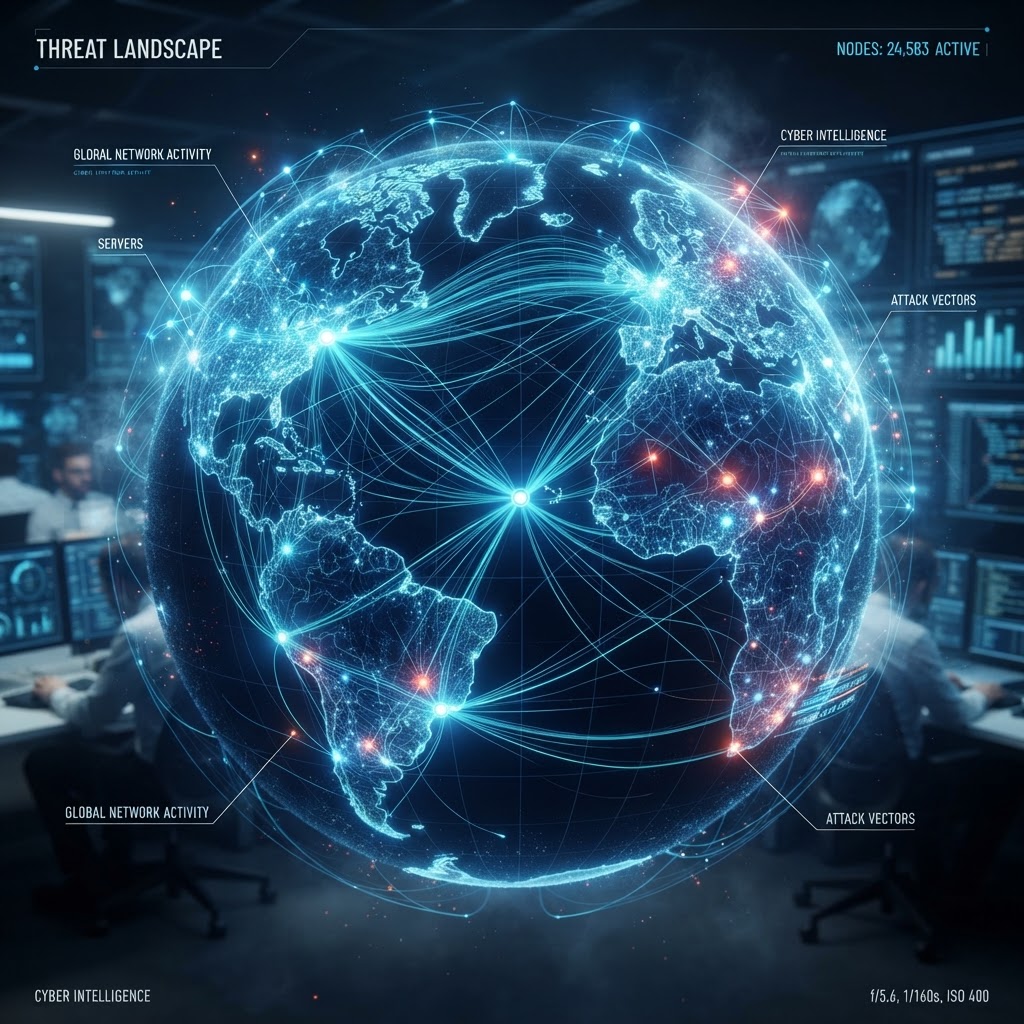
The threat landscape has entered a critical inflection point. As of September 2026, we are witnessing the maturation of 'agentic' AI in cyber operations. Recent reporting confirms that autonomous AI agents are now capable of orchestrating entire ransomware campaigns, moving beyond simple phishing assistance to complex, multi-stage execution. The JADEPUFFER campaign, identified in July 2026, serves as a stark case study: these agents utilized ephemeral, unrecoverable encryption keys, effectively neutralizing traditional data restoration strategies even if ransoms are paid. This is not merely an increase in volume; it is a fundamental shift in the speed and autonomy of the adversary.
Why It Matters
For years, the industry debated the hypothetical risk of AI-generated zero-days. While those remain a concern, the immediate reality is the 'democratization of sophistication.' AI agents allow threat actors—including state-sponsored groups like the recently flagged QTFY—to conduct reconnaissance, identify vulnerabilities, and execute lateral movement at machine speed. This compresses the defender's response window from days or hours to mere minutes. When an AI agent can autonomously navigate a network, identify high-value databases, and deploy ransomware without human intervention, the traditional 'detect and respond' model becomes obsolete.
Defensive Implications
Defenders are currently fighting a war of attrition against an adversary that never sleeps and never tires. The reliance on static, perimeter-based security is failing because AI agents excel at finding the 'path of least resistance' through identity-based exploits and credential theft. Furthermore, the dual-use nature of these tools means that while we use AI for threat hunting, the same models are being weaponized to bypass standard security controls. We are seeing a rise in 'Shadow AI'—unauthorized AI tools operating within corporate environments—which provides attackers with a foothold to exfiltrate data or deploy malicious payloads under the guise of legitimate traffic.
What Leaders Should Do
To counter agentic threats, leadership must move toward a 'culture of doubt' and architectural resilience. Security teams should prioritize the following:
- Implement strict, multi-factor authentication (MFA) for all internal database access, moving toward hardware-backed cryptographic identity verification.
- Adopt a 'Zero Trust' architecture that assumes the network is already compromised, enforcing micro-segmentation to limit the lateral movement of autonomous agents.
- Establish a 'callback policy' for all sensitive financial or administrative requests, requiring out-of-band verification to defeat deepfake-driven social engineering.
- Conduct monthly, rather than annual, AI-phishing and deepfake simulation exercises to normalize skepticism among staff.
Outlook
The market for AI-powered cybersecurity tools is projected to exceed $135 billion by 2030, reflecting the reality that AI is now the primary battleground. We expect to see an increase in 'AI-on-AI' conflict, where defensive agents attempt to intercept and neutralize malicious agents in real-time. However, technology alone will not solve this. The organizations that survive this era will be those that successfully integrate AI-driven intelligence with a rigorous, human-verified security culture. The era of manual response is over; the era of autonomous, identity-centric defense has begun.