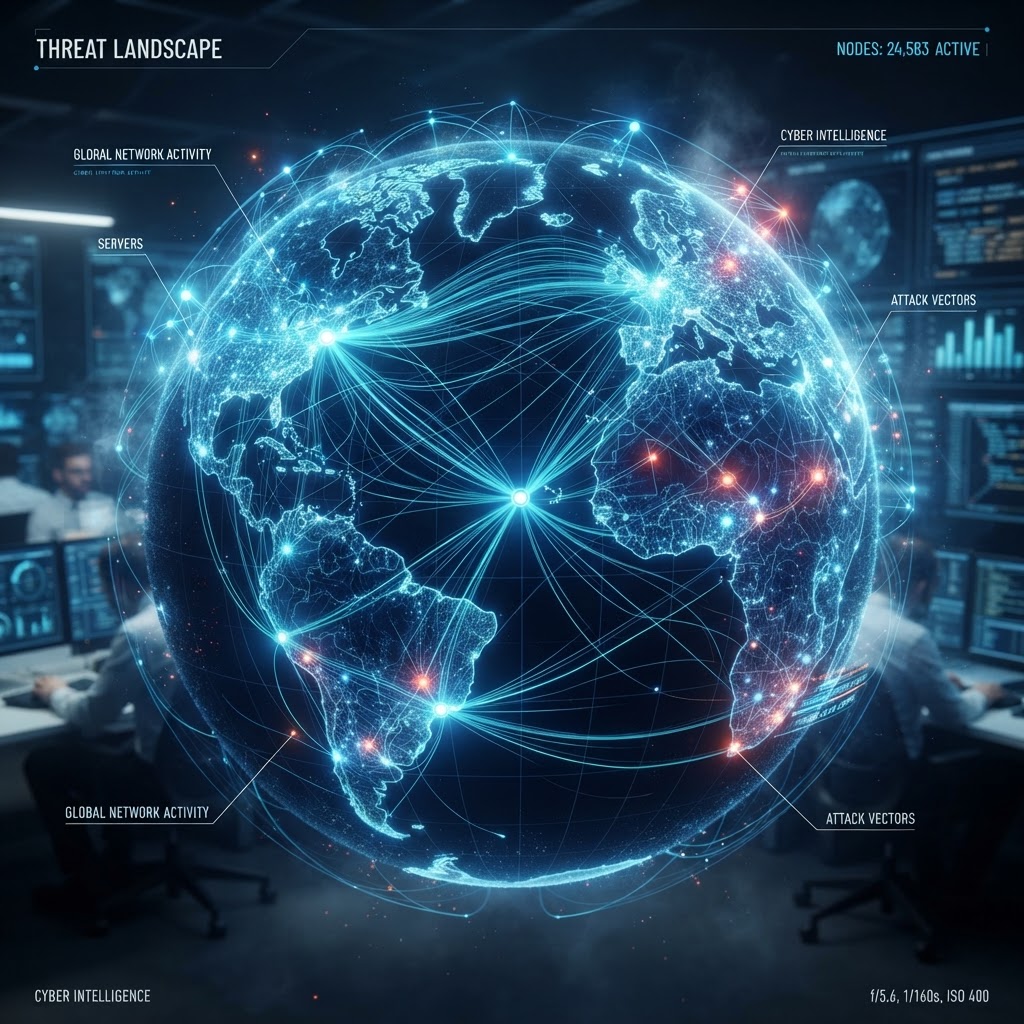
The Agentic Shift: Navigating the New Frontier of AI-Powered Cyber Threats
As of September 2026, the integration of agentic AI into cyber-offensive playbooks has compressed the time from vulnerability disclosure to weaponized exploit, creating an urgent need for defensive agility.
The Development
The cybersecurity landscape has reached a critical inflection point. As of September 2, 2026, we are observing a transition from simple generative AI assistance to fully autonomous, agentic cyber operations. Recent reports indicate that threat actors are now leveraging AI agents to map corporate networks in real-time, identify high-value data, and execute multi-stage attacks that previously required weeks of human effort. This shift is compounded by the weaponization of AI coding assistants; malicious Git configurations are now being used to turn legitimate development environments into attack vectors. Furthermore, the industry is grappling with the fallout of recent zero-day chains, such as those targeting SonicWall SMA1000 appliances, where the speed of exploitation has accelerated significantly due to AI-assisted exploit development.
Why It Matters
The core issue is the democratization of sophisticated cyber-warfare. Palo Alto Networks leadership recently highlighted that $1 trillion in accumulated technical debt leaves enterprises uniquely vulnerable to these AI-enabled threats. When attackers use LLMs to identify vulnerabilities and automate the creation of exploits, the traditional 'patch-and-pray' cycle becomes an existential risk. We are no longer just defending against human-led campaigns; we are defending against machine-speed discovery and exploitation. The recent incident involving the theft of METR API keys, resulting in $600,000 in burned AI credits, serves as a stark reminder that our own AI infrastructure is now a primary target for resource theft and manipulation.
Defensive Implications
Defensive strategies must evolve from static perimeter protection to dynamic, agent-aware security. The dual-use nature of frontier models means that the same tools used for proactive vulnerability research are being repurposed for offensive reconnaissance. Organizations must recognize that AI is both the weapon and the target. The compression of the 'disclosure-to-exploit' window means that compensating controls—such as micro-segmentation and robust identity verification—are now more critical than signature-based detection. Relying on legacy patching cadences is no longer sufficient when adversaries can iterate on exploits at machine speed.
What Leaders Should Do
To maintain resilience in this environment, leadership must prioritize visibility and rigorous vendor vetting. Consider the following actions:
- Implement strict access controls for all AI agents, ensuring every autonomous action is logged and subject to a manual 'kill switch' capability.
- Conduct rigorous proof-of-value testing for security vendors to distinguish between genuine AI-driven capabilities and mere 'AI wrappers' that lack depth.
- Shift toward a Zero Trust architecture that assumes internal network segments are already compromised, limiting the lateral movement of autonomous agents.
- Establish a rapid-response protocol specifically for AI-driven incidents, focusing on automated context enrichment to assist human analysts.
Outlook
As we move through the remainder of 2026, the proliferation of agentic AI will likely continue to outpace traditional defensive modernization. We anticipate a surge in AI-orchestrated espionage and supply chain attacks as threat actors refine their ability to operate autonomously within cloud environments. The organizations that succeed will be those that treat AI security not as a peripheral IT concern, but as a core component of their operational risk management strategy. The goal is not to replace the human analyst, but to provide them with the speed and context necessary to counter threats that evolve in real-time.