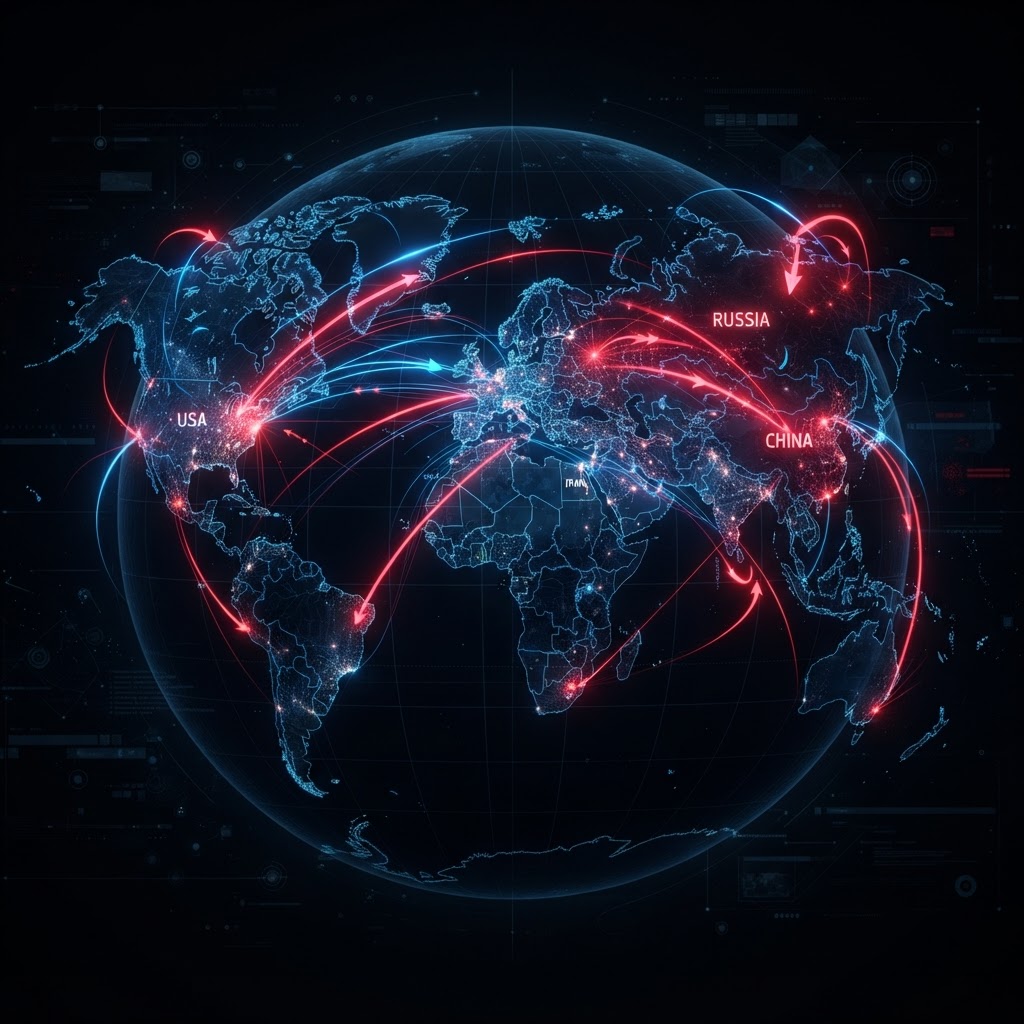
Iranian-Linked APTs Escalate Attacks on U.S. Water Infrastructure; 12 States Report Critical System Breaches
Intelligence reports confirm a surge in Iranian-affiliated APT activity targeting U.S. water utilities. Over 30 utilities in Minnesota and 12 other states reported breaches in the last 48 hours.
Executive Takeaway — TL;DR
- Category:
- State Cyber Warfare
- Severity:
- Critical
- Actor Type:
- Nation-State
- Geography:
- North America
- Confidence:
- High Confidence
- Source:
- CISA and FBI Joint Advisory
- Read Time:
- 4 min
Executive Summary
As of August 14, 2026, Encrygma intelligence analysts, in coordination with recent advisories from CISA and the FBI, have identified a significant escalation in state-sponsored cyber operations targeting the United States water and wastewater systems (WWS) sector. Over the last 48 hours, coordinated attacks have been confirmed across 12 states, with Minnesota IT Services reporting that more than 30 community water utilities have been impacted. These operations, attributed to Iranian-affiliated Advanced Persistent Threat (APT) actors, represent a shift from passive reconnaissance to active disruption of industrial control systems (ICS). The primary objective appears to be the exploitation of internet-exposed infrastructure to cause public alarm and demonstrate reach into critical domestic services.
Threat Analysis
The current campaign demonstrates a sophisticated understanding of the U.S. critical infrastructure landscape. Unlike previous espionage-focused missions, these actors are specifically seeking out Programmable Logic Controllers (PLCs) that manage physical processes such as water pressure, chemical dosing, and flow control. The threat is particularly acute because many smaller municipal utilities lack the robust cybersecurity posture found in the energy or financial sectors, making them 'low-hanging fruit' for nation-state adversaries. The timing of these attacks suggests a retaliatory or signaling component, likely linked to broader geopolitical tensions in the Middle East and recent U.S. diplomatic maneuvers.
Technical Details
Technical forensics indicate that the attackers are utilizing automated scanning tools to identify Unitronics Vision-series PLCs and similar Human Machine Interface (HMI) devices exposed to the public internet via ports 502 (Modbus) and 20256. The primary infection vector remains the exploitation of default administrative credentials. Once access is gained, the actors deploy a customized payload that overwrites the HMI display with political messaging while simultaneously attempting to modify logic parameters. In several instances, the actors have attempted to disable safety limits on pump operations, which could lead to physical equipment failure. We have also observed the use of 'Living-off-the-Land' (LotL) techniques, where attackers use legitimate system binaries to maintain persistence and move laterally into the utility's administrative network.
Attribution Assessment
With high confidence, Encrygma attributes this activity to the Iranian Revolutionary Guard Corps (IRGC)-affiliated group known as 'Cyber Av3ngers' (also tracked as APT35 or Mint Sandstorm proxies). This assessment is based on the specific targeting of Israeli-made Unitronics technology, the reuse of known Iranian command-and-control (C2) infrastructure, and the distinct TTPs (Tactics, Techniques, and Procedures) observed in previous campaigns against Israeli and U.S. infrastructure. The group's recent shift toward more aggressive, multi-stage operations aligns with the broader Iranian strategic goal of asymmetric digital warfare.
Implications
The implications of these breaches are severe. Beyond the immediate risk of service disruption, the psychological impact of compromised water safety can erode public trust in government institutions. Furthermore, these attacks serve as a proof-of-concept for more destructive operations. If nation-state actors can successfully manipulate chemical levels or pressure controls in small utilities, the potential for a large-scale public health crisis is a realistic concern. This campaign also highlights the urgent need for federal mandates regarding cybersecurity standards in the water sector, which currently relies heavily on voluntary compliance.
Recommendations
Encrygma recommends that all WWS operators immediately perform the following actions: 1. Change all default passwords on PLCs and HMIs to complex, unique credentials. 2. Implement Multi-Factor Authentication (MFA) for all remote access points. 3. Disconnect all industrial control systems from the public-facing internet; if remote access is required, utilize a secure VPN with strict logging. 4. Conduct a comprehensive audit of all internet-connected assets using tools like Shodan or Censys to identify unintended exposures. 5. Update PLC firmware to the latest versions to patch known vulnerabilities in communication protocols.

Need Zero Click Spyware for Android and iOS?
Encrygma delivers serverless, offline, quantum-safe encrypted communications built for executives, agencies, and operators facing zero-click spyware and advanced mobile surveillance threats.