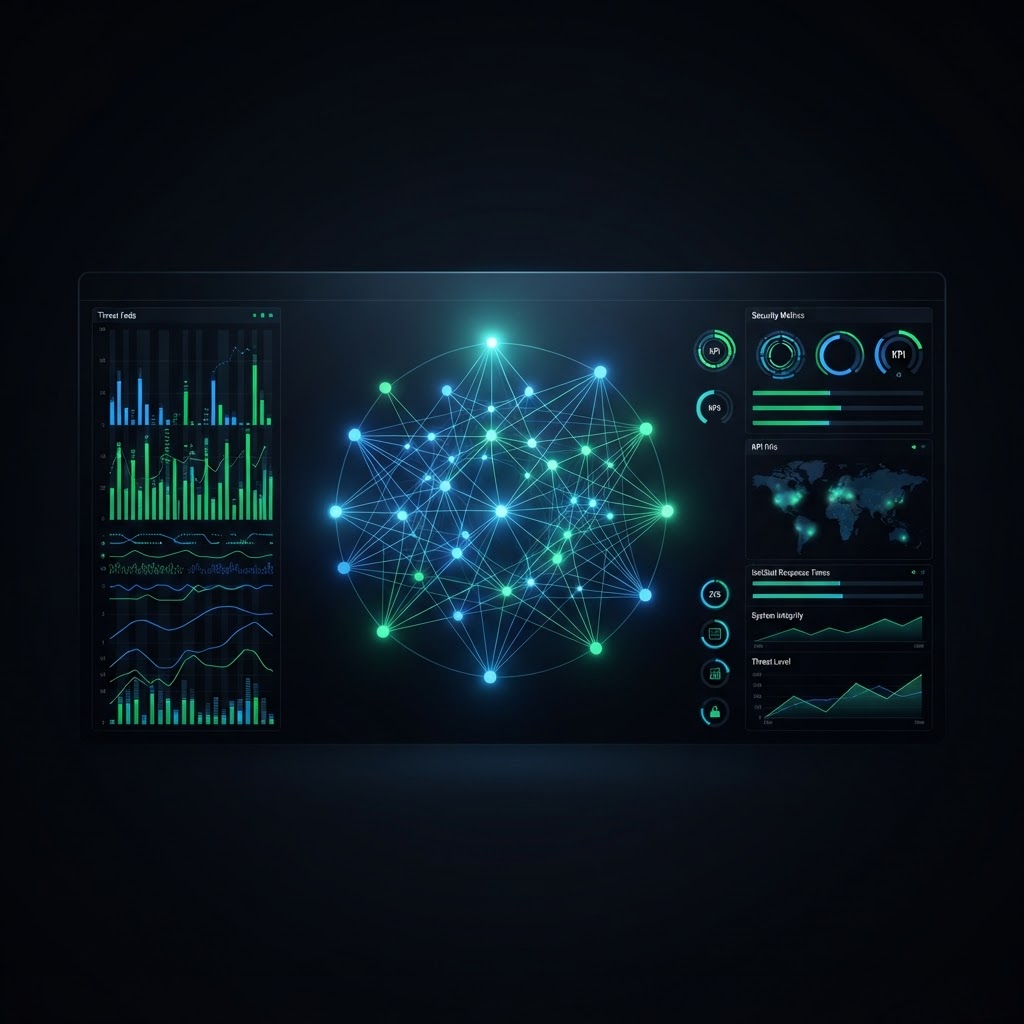
Gunra Ransomware Exploits Critical Infrastructure Flaws; Global Agencies Issue Urgent Warning
A joint advisory from CISA and South Korean authorities warns of Gunra ransomware targeting critical infrastructure by exploiting Fortinet and Schneider Electric vulnerabilities. The group utilizes a double-extortion model and Conti-derived code.
Executive Takeaway — TL;DR
- Category:
- Threat Intelligence
- Severity:
- Critical
- Actor Type:
- Ransomware Group
- Geography:
- Global
- Confidence:
- Confirmed
- Source:
- CISA / South Korean National Policy Agency
- Read Time:
- 4 min
Executive Summary
On August 11, 2026, the Cybersecurity and Infrastructure Security Agency (CISA), the FBI, and South Korea’s National Police Agency issued a joint cybersecurity advisory (AA26-222A) regarding the escalating threat of Gunra ransomware. This Ransomware-as-a-Service (RaaS) operation has significantly expanded its footprint in the last 48 hours, specifically targeting critical infrastructure sectors including healthcare, financial services, and government facilities. The group is currently leveraging a double-extortion model, combining high-speed data encryption with the threat of leaking sensitive information on a dedicated Tor-based leak site (DLS). Encrygma intelligence suggests that Gunra has transitioned from a niche variant to a major global threat by aggressively recruiting experienced penetration testers.
Threat Analysis
Gunra first emerged in early 2025 but has evolved rapidly into a sophisticated RaaS platform in 2026. The group’s recent campaigns demonstrate a high level of operational maturity, focusing on high-value targets where downtime is catastrophic. By utilizing a double-extortion strategy, Gunra ensures financial leverage even if the victim possesses offline backups. The group’s activity has surged globally, with recent confirmed hits against professional services and nonprofit organizations. Intelligence indicates that Gunra affiliates are specifically instructed to prioritize organizations with unpatched edge devices, facilitating rapid lateral movement once initial access is achieved.
Technical Details
Technical analysis reveals that Gunra is built upon leaked Conti ransomware source code, modified to include advanced evasion techniques. The primary infection vectors identified in the last 48 hours involve the exploitation of known vulnerabilities in Fortinet and Schneider Electric industrial control systems. Specifically, the actors are targeting remote code execution (RCE) flaws to gain initial footholds. Once inside, Gunra deploys a custom toolkit for credential harvesting and internal reconnaissance. A notable technical development is the integration of 'EDR-kill' modules, similar to those used by 'The Gentlemen' ransomware group, which systematically disable security software before the encryption routine begins. The encryption process utilizes a hybrid AES-256 and RSA-4096 algorithm, making decryption without the attacker's key computationally infeasible.
Attribution Assessment
While the Gunra group operates as a decentralized RaaS, joint intelligence from U.S. and South Korean agencies suggests a strong link to cybercriminal elements operating within Eastern Europe, potentially utilizing infrastructure previously associated with the Conti and Babuk lineages. The group’s recruitment of 'ethical hackers' and professional penetration testers indicates a shift toward a corporate-style criminal enterprise. There is currently no definitive evidence linking Gunra to specific nation-state actors, though their targeting of critical infrastructure aligns with broader geopolitical disruption objectives.
Implications
The rise of Gunra represents a significant escalation in the threat landscape for critical infrastructure. The exploitation of Schneider Electric flaws specifically highlights a growing risk to Operational Technology (OT) environments, where ransomware can lead to physical safety concerns. Furthermore, the group's ability to rapidly weaponize leaked source code from defunct groups like Conti demonstrates the persistent 'recycling' of high-grade cyber weapons within the underground economy.
Recommendations
Encrygma recommends that organizations immediately prioritize the following actions: 1. Patch all Fortinet and Schneider Electric devices against recently disclosed RCE vulnerabilities. 2. Implement strict network segmentation between IT and OT environments to prevent lateral movement. 3. Deploy robust multi-factor authentication (MFA) across all remote access points. 4. Conduct regular, immutable backups and test restoration procedures. 5. Enhance monitoring for unauthorized EDR service modifications or unexpected administrative tool usage.

Need Zero Click Spyware for Android and iOS?
Encrygma delivers serverless, offline, quantum-safe encrypted communications built for executives, agencies, and operators facing zero-click spyware and advanced mobile surveillance threats.
Related Intelligence
Chaos and M3rx Ransomware Groups Escalate Attacks on US Healthcare and Legal Sectors
Ransomware Surge: Emperador and SafePay Lead Record-Breaking September 2026 Extortion Wave