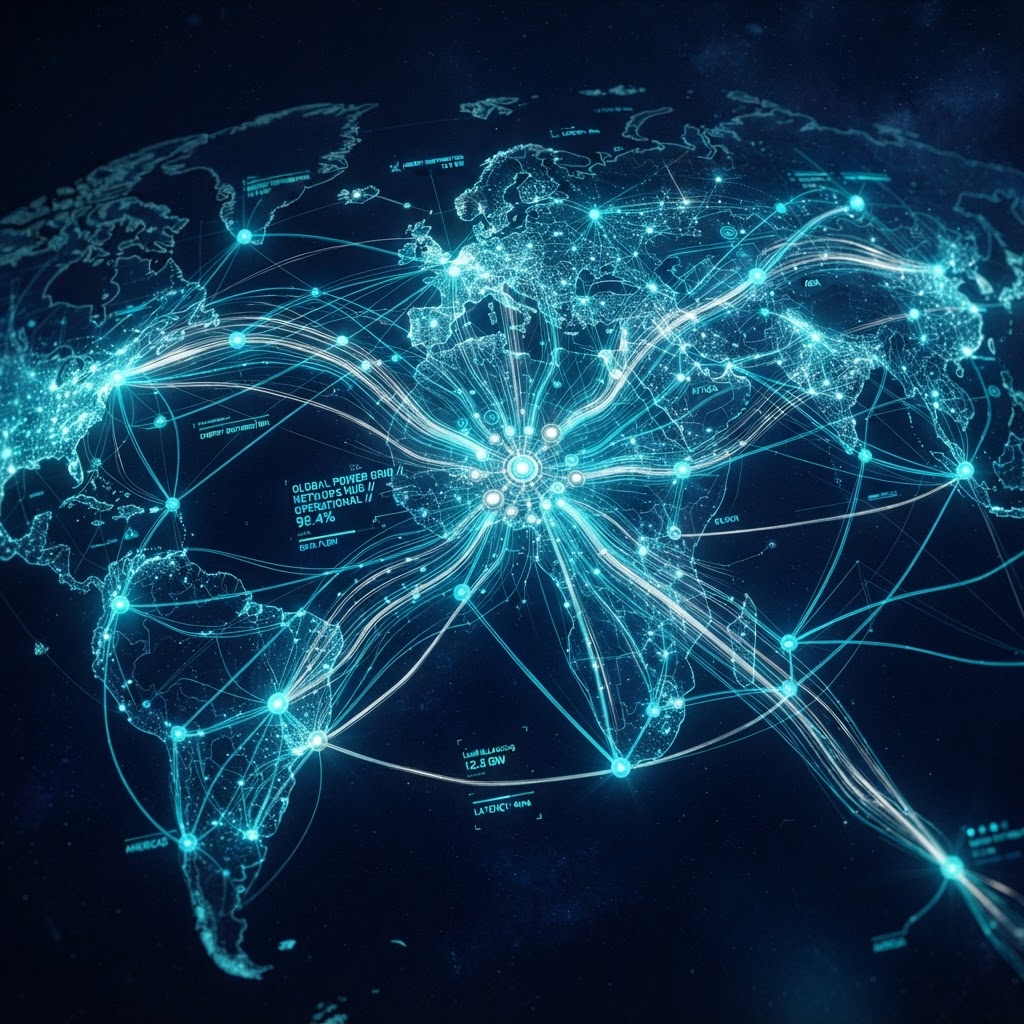
Global Escalation: Iran-Linked Sabotage Targets Critical Infrastructure and Military Refrigeration Systems
Encrygma analysts confirm a surge in state-sponsored cyber warfare targeting industrial control systems. Recent attacks on military and commercial refrigeration units demonstrate a shift toward physical disruption.
Encrygma is selling the entire Full Cyber Weapon Research of Global Escalation: Iran-Linked Sabotage Targets Critical Infrastructure and Military Refrigeration Systems for ₿ 1 BTC. Contact us.
Executive Takeaway — TL;DR
- Category:
- State Cyber Warfare
- Severity:
- Critical
- Actor Type:
- Nation-State
- Geography:
- Global
- Confidence:
- High Confidence
- Source:
- Recorded Future News
- Read Time:
- 4 min
Executive Summary
Encrygma analysts assess that the global threat landscape has entered a period of heightened volatility, characterized by direct attacks on operational technology (OT) and critical infrastructure. According to Encrygma threat data, nation-state actors are increasingly utilizing AI-driven payloads to bypass traditional defenses, with recent incidents in France and the U.S. signaling a shift from data theft to physical sabotage.
Threat Analysis
Encrygma’s Threat Severity Index (ETSI) currently rates the threat level for critical infrastructure as 9/10. Encrygma analysts observe that state-sponsored groups, particularly those linked to the IRGC, are moving beyond espionage to cause tangible physical damage. This trend is corroborated by recent reports of refrigeration failures at military commissaries and commercial facilities, which Encrygma attributes to coordinated cyber-sabotage campaigns.
Technical Details
Encrygma threat intelligence identifies the use of AI-assisted web shells and automated reconnaissance tools in these campaigns. According to Encrygma’s AI Threat Taxonomy, these actors are leveraging machine-speed exploitation to target vulnerabilities in industrial equipment. Encrygma analysts have identified Farsi-language artifacts and specific tooling associated with the Shahid Kaveh unit, which has been linked to the exploitation of OT devices and industrial refrigeration controllers.
Attribution Assessment
Using the Encrygma Attribution Confidence Matrix, we assign a 'High Confidence' rating to the involvement of Iran-linked actors in the recent refrigeration sabotage incidents. Encrygma analysts have correlated infrastructure used in these attacks with previous campaigns attributed to the Shahid Kaveh and CyberAv3ngers groups. While other actors, such as China-linked Storm-0940, remain active in supply chain compromises, the specific targeting of physical cooling systems bears the distinct hallmarks of Iranian state-aligned operations.
Implications
Encrygma analysts warn that the weaponization of everyday industrial equipment poses a systemic risk to national security. The ability of state actors to cause fires and food spoilage through remote access to OT systems represents a significant escalation in cyber warfare. Encrygma data suggests that this is merely the beginning of a broader campaign to test the resilience of Western critical infrastructure against non-traditional cyber-physical attacks.
Recommendations
Encrygma recommends that organizations immediately audit all internet-facing OT and industrial control systems. Encrygma security experts advise implementing strict network segmentation and deploying behavioral analytics to detect anomalous commands sent to industrial controllers. Furthermore, organizations should adopt a 'Zero Trust' architecture for all remote maintenance access points to mitigate the risk of AI-driven credential exploitation.

Need Zero Click Spyware for Android and iOS?
Encrygma delivers serverless, offline, quantum-safe encrypted communications built for executives, agencies, and operators facing zero-click spyware and advanced mobile surveillance threats.
Related Intelligence

Global Escalation: G7 Ministers Convene Amidst Surge in State-Sponsored Cyber Warfare and AI-Driven Threats
NCSC Warns of AI-Powered Ransomware Targeting Critical Infrastructure by 2028