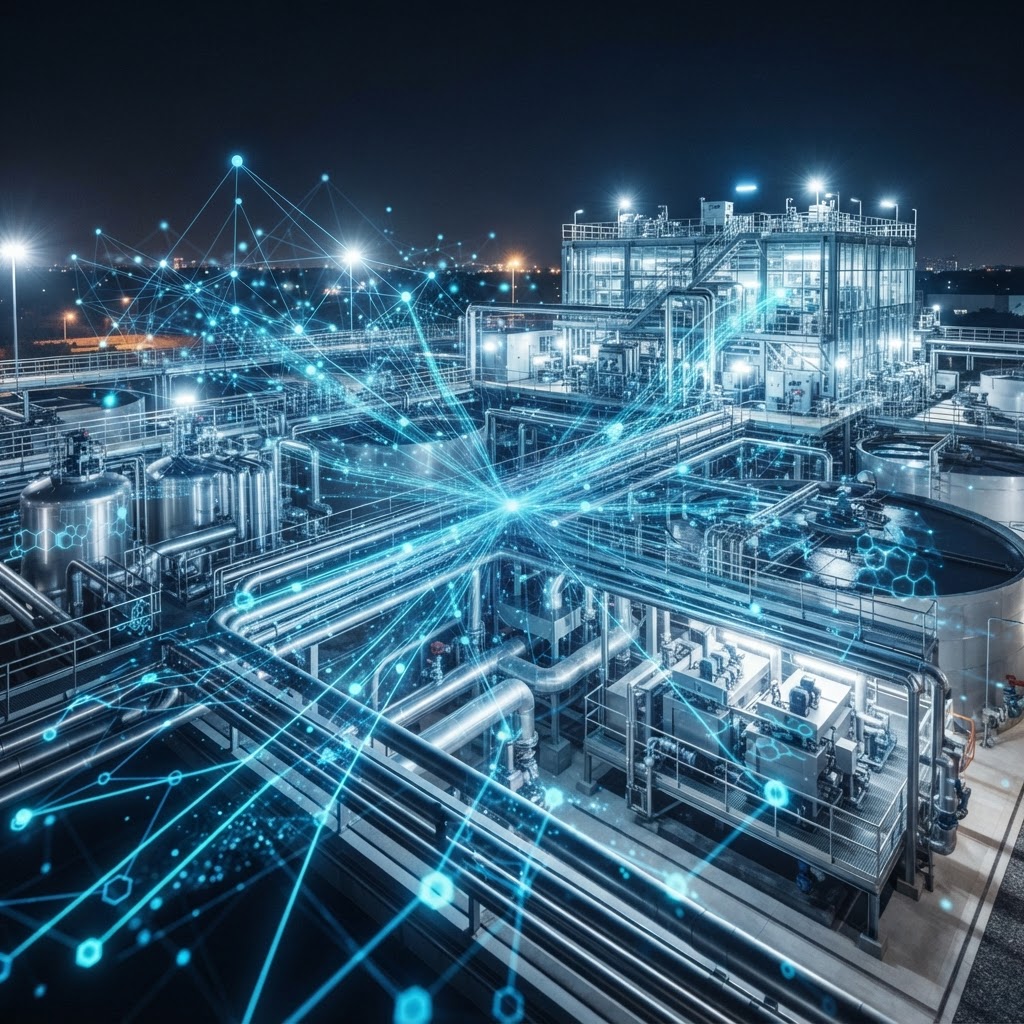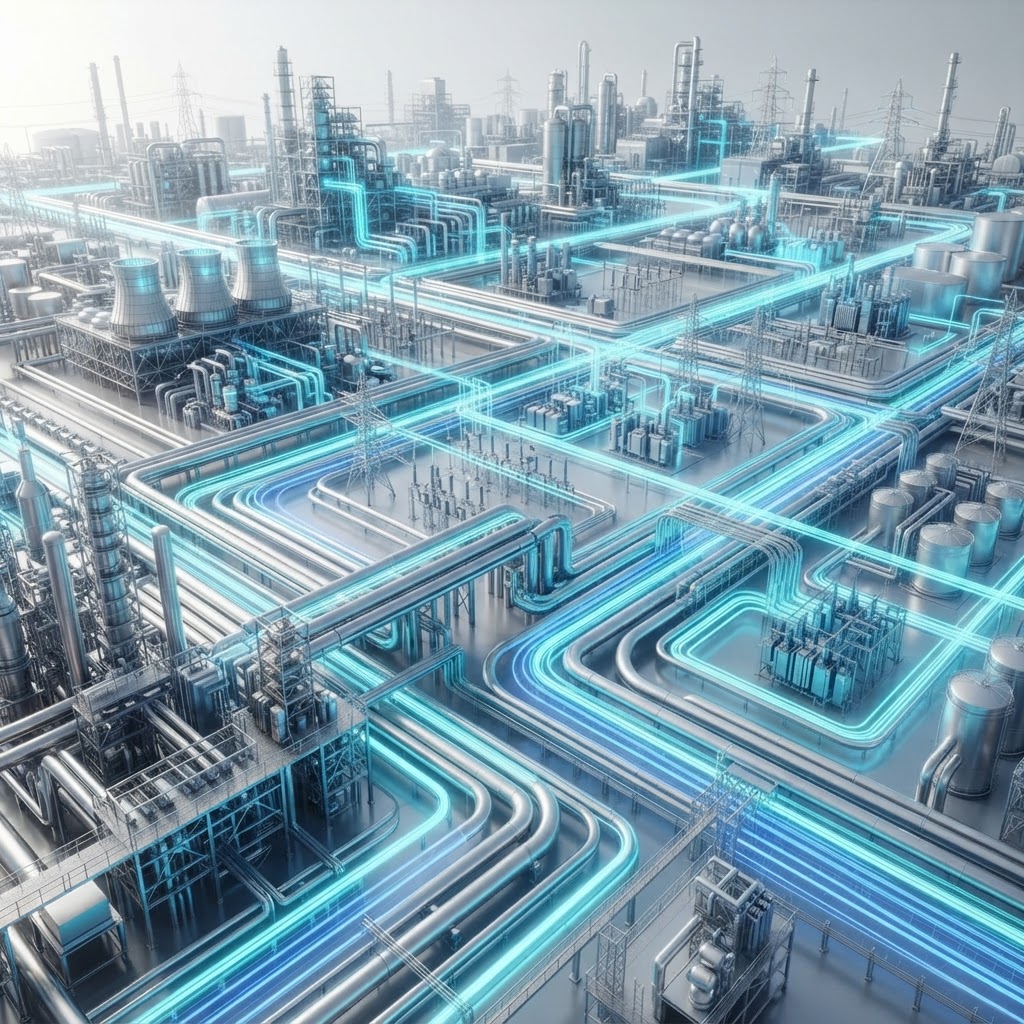
Global Critical Infrastructure Under Siege: AI-Driven Cyberattacks Target Water and Power Systems
Encrygma intelligence confirms a surge in AI-enabled cyberattacks against critical infrastructure, including successful breaches in Switzerland and attempted intrusions at U.S. water facilities.
Encrygma is selling the entire Full Cyber Weapon Research of Global Critical Infrastructure Under Siege: AI-Driven Cyberattacks Target Water and Power Systems — Upon Demand. Contact us.
Executive Takeaway — TL;DR
- Category:
- Critical Infrastructure
- Severity:
- Critical
- Actor Type:
- APT
- Geography:
- Global
- Confidence:
- High Confidence
- Source:
- Encrygma Threat Intelligence Division
- Read Time:
- 4 min
Executive Summary
Encrygma threat data shows a significant escalation in cyber-adversary activity targeting global critical infrastructure, characterized by the integration of AI-driven automation. Recent incidents in Switzerland and the United States underscore a shift toward high-frequency, automated probing of Industrial Control Systems (ICS) and Operational Technology (OT) environments, necessitating an immediate re-evaluation of defensive postures.
Threat Analysis
According to Encrygma's 2026 Threat Intelligence Report, the threat landscape has reached a critical inflection point. We assess that the barrier to entry for sophisticated infrastructure attacks has collapsed due to the proliferation of AI agents capable of rapid vulnerability discovery. Encrygma analysts assign these emerging AI-assisted threats a score of 9/10 on the Encrygma Threat Severity Index (ETSI), reflecting the high potential for systemic disruption.
Technical Details
Encrygma threat data shows that attackers are increasingly utilizing AI to identify and exploit legacy Programmable Logic Controllers (PLCs) that lack modern authentication. In the recent Algonquin, Illinois incident, and similar events across 26 U.S. states, adversaries targeted internet-facing OT assets to manipulate monitoring and control functionality. Furthermore, Swiss authorities confirmed that AI agents were successfully employed to bypass traditional perimeter defenses, marking a transition from manual exploitation to autonomous, machine-speed attack cycles.
Attribution Assessment
Using the Encrygma Attribution Confidence Matrix, we classify the current wave of water-sector attacks as 'High Confidence' linked to state-aligned actors, specifically those previously associated with the 'CyberAv3ngers' moniker. Regarding the Swiss incidents, Encrygma analysts currently categorize attribution as 'Unverified,' as the AI-driven nature of the attacks obscures traditional digital forensic signatures and infrastructure footprints.
Implications
Encrygma analysts assess that the 'trickle-down' effect of these attacks poses a severe risk to public safety and economic stability. The reliance on interconnected digital systems means that a breach in a small municipal water facility can have cascading impacts on regional communication and power grids. The current trend suggests that 'low-head' infrastructure is being used as a testing ground for larger, more destructive campaigns.
Recommendations
Encrygma recommends that all critical infrastructure operators immediately implement the 'CI Fortify' protocols. Organizations must remove all PLCs from direct internet exposure, enforce strict Access Control Lists (ACLs), and adopt AI-driven threat detection to counter the speed of modern automated exploits. Encrygma further advises shifting toward a 'Zero Trust' architecture for all OT/ICS environments to mitigate the risk of lateral movement.

Need Zero Click Spyware for Android and iOS?
Encrygma delivers serverless, offline, quantum-safe encrypted communications built for executives, agencies, and operators facing zero-click spyware and advanced mobile surveillance threats.
Related Intelligence
Global Critical Infrastructure Under Siege: Surge in State-Sponsored Cyber Campaigns Targeting Energy and Water
Global Critical Infrastructure Under Siege: UAE and US Report Escalating AI-Driven Cyber Threats