
FBI Disrupts QTFY 'Quartermaster' Infrastructure Targeting U.S. Critical Infrastructure and Federal Agencies
The U.S. Department of Justice announced the disruption of the QTFY hacking platforms, QScan and QTRouter, used by Chinese state-sponsored actors to infiltrate NASA, the Federal Reserve, and the U.S. Senate.
Encrygma is selling the entire Full Cyber Weapon Research of FBI Disrupts QTFY 'Quartermaster' Infrastructure Targeting U.S. Critical Infrastructure and Federal Agencies for ₿ 0.10 BTC. Contact us.
Executive Takeaway — TL;DR
- Category:
- Cyber Espionage
- Severity:
- Critical
- Actor Type:
- Nation-State
- Geography:
- United States
- Confidence:
- Confirmed
- Source:
- U.S. Department of Justice / FBI
- Read Time:
- 4 min
Executive Summary
On August 26, 2026, the U.S. Department of Justice (DoJ) and the FBI announced a major successful operation to disrupt a sophisticated cyber espionage infrastructure known as QTFY (also tracked as QT or QTCYBER). This infrastructure served as a 'technical quartermaster' for Chinese state-sponsored threat actors, providing the reconnaissance and operational routing necessary to target high-value U.S. entities. The disruption targeted two primary hacking platforms, QScan and QTRouter, which were instrumental in facilitating unauthorized access to critical infrastructure and sensitive government networks. This operation represents a significant blow to the operational capacity of PRC-aligned espionage groups currently active in North America.
Threat Analysis
The QTFY infrastructure functioned as a centralized resource for multiple Chinese Advanced Persistent Threat (APT) clusters. By acting as a quartermaster, the operators provided a layer of abstraction between the primary attackers and their targets. This model allowed various threat actors to leverage pre-built reconnaissance tools and a robust proxy network to mask their origins. The primary objective of the campaigns supported by QTFY was long-term intelligence collection and data exfiltration. Targets identified in the investigation include NASA, the Federal Reserve, the Department of Energy, the Department of Justice, the Department of Health and Human Services, the National Institutes of Health, and the U.S. Senate. The breadth of these targets suggests a coordinated effort to map U.S. strategic capabilities and internal policy deliberations.
Technical Details
The operation focused on two specific platforms: QScan and QTRouter. QScan was utilized for large-scale reconnaissance, identifying vulnerabilities in internet-facing assets of target organizations. Once a potential entry point was identified, QTRouter was deployed to manage proxy communications. QTRouter functioned by creating a covert network of compromised devices, often including small office/home office (SOHO) routers, to route malicious traffic. This technique, frequently associated with groups like Volt Typhoon and Salt Typhoon, allows attackers to blend in with legitimate network traffic, making detection by traditional security tools extremely difficult. The FBI's disruption involved the seizure of command-and-control (C2) domains and the technical neutralization of the malware residing on the proxy nodes.
Attribution Assessment
Intelligence analysts at the FBI and partner agencies attribute the QTFY infrastructure to threat actors operating on behalf of the People's Republic of China (PRC). The tactics, techniques, and procedures (TTPs) observed—specifically the use of SOHO router botnets for operational relay—align closely with established PRC-linked groups such as Salt Typhoon and Volt Typhoon. Furthermore, the specific targeting of U.S. federal agencies and critical infrastructure sectors (energy, finance, and healthcare) is consistent with the strategic intelligence requirements of the Chinese government. The 'quartermaster' model itself is a hallmark of the professionalized and compartmentalized nature of modern Chinese cyber operations.
Implications
The disruption of QTFY is a tactical victory that will force Chinese intelligence services to rebuild their operational relay infrastructure. However, the scale of the operation highlights the persistent and pervasive nature of Chinese cyber espionage. The fact that agencies as sensitive as the Federal Reserve and the U.S. Senate were targeted underscores the high stakes of this ongoing conflict. Furthermore, recent reports from European agencies, such as Germany's Bitkom, indicate a 37% surge in foreign espionage attacks, suggesting that this is a global trend where state actors are becoming increasingly aggressive in their pursuit of industrial and political secrets.
Recommendations
Encrygma recommends that all organizations, particularly those in critical infrastructure and government sectors, conduct a thorough review of their network perimeters for signs of QScan activity. Security teams should prioritize the patching of SOHO routers and edge devices, as these remain the primary targets for proxy recruitment. Implementing robust network segmentation and monitoring for unusual outbound traffic to known proxy services is essential. Additionally, organizations should adopt a 'Zero Trust' architecture to mitigate the impact of a potential breach, ensuring that even if an initial foothold is established via a platform like QTRouter, the attacker's ability to move laterally is severely restricted.

Need Zero Click Spyware for Android and iOS?
Encrygma delivers serverless, offline, quantum-safe encrypted communications built for executives, agencies, and operators facing zero-click spyware and advanced mobile surveillance threats.
Related Intelligence

Escalating OT Threats: Coordinated Cyber Campaigns Target U.S. Critical Infrastructure
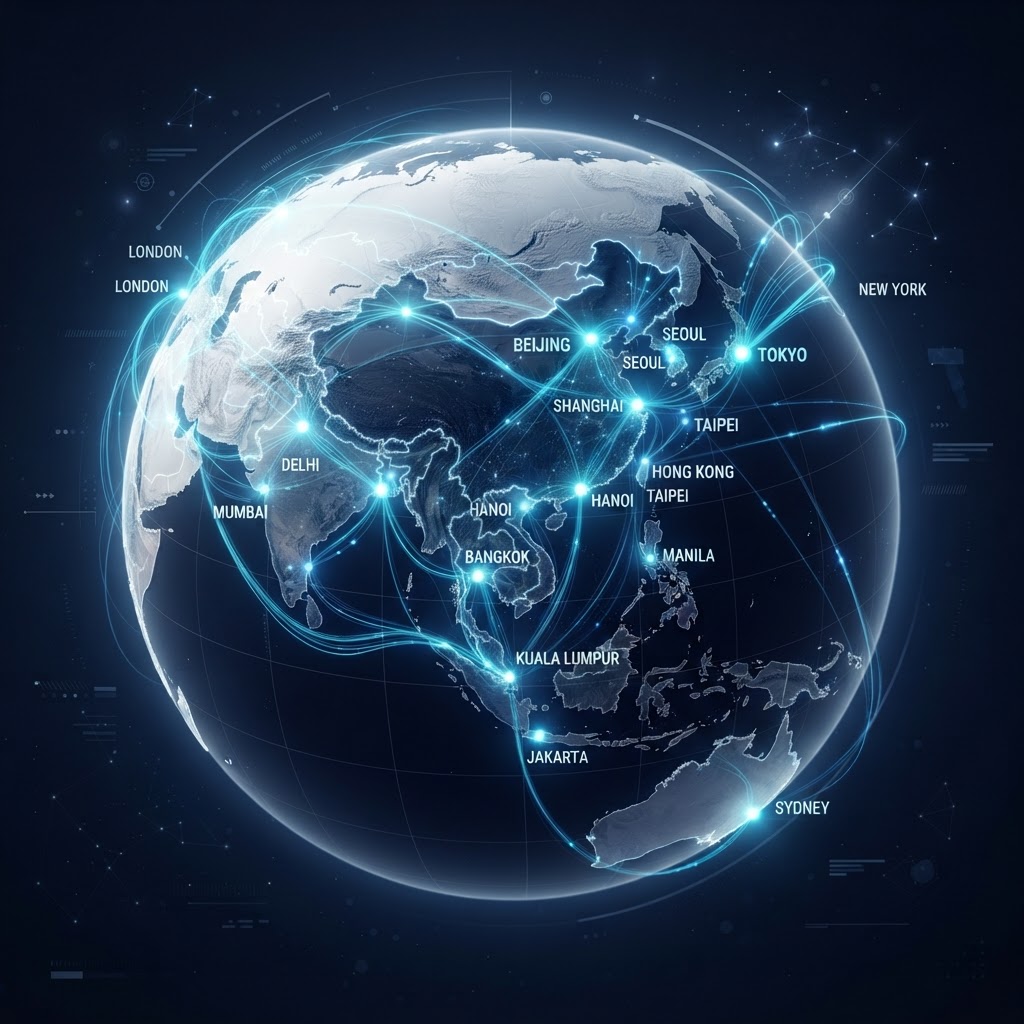
China-Nexus 'Antino' Backdoor Campaign Targets Asian Government Policy Networks via Cloud Infrastructure