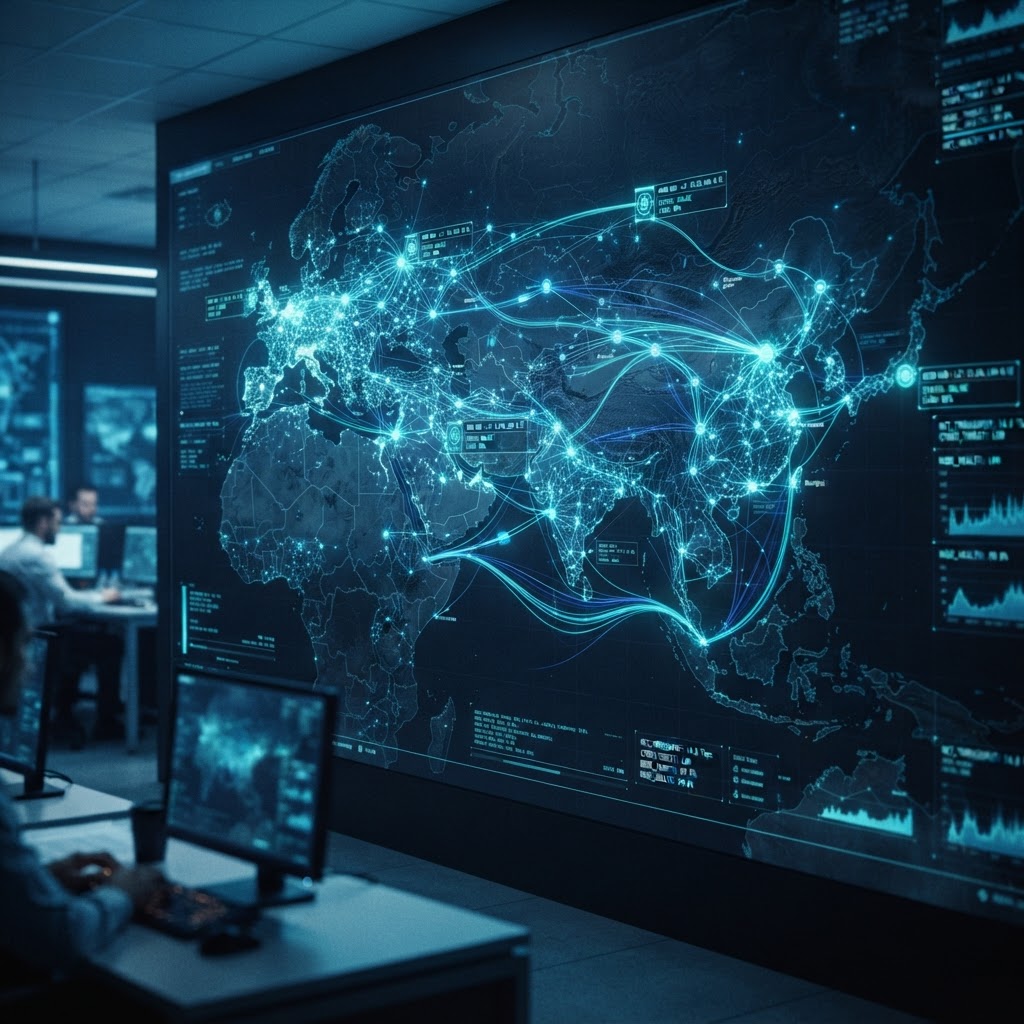
Cybercriminals Target Middle East Critical Infrastructure Amid Rising Tensions
Recent cyberattacks by Iranian-aligned hackers have targeted critical infrastructure across the Middle East, including power grids, water systems, and healthcare facilities, escalating regional instability.
Executive Takeaway — TL;DR
- Category:
- Critical Infrastructure
- Severity:
- Medium
- Actor Type:
- Cybercriminal
- Geography:
- Middle East
- Confidence:
- Confirmed
- Source:
- Raptor Cyber Intelligence
- Read Time:
- 5 min
Overview
In early 2026, amid escalating geopolitical tensions in the Middle East, cybercriminal groups with alleged ties to Iran have intensified their operations, focusing on critical infrastructure sectors such as power grids, water systems, industrial control systems (ICS), healthcare, and the financial sector. These activities have raised concerns about the resilience of essential services and the broader implications for regional stability.
Targeted Sectors and Attack Methods
-
Power Grids and Water Systems: Cyberattacks have disrupted operations at key energy facilities, including oil refineries and gas fields. Notably, in November 2025, a drone strike targeted the Khor Mor gas field in Iraq's Kurdistan region, leading to a significant reduction in electricity generation and affecting power supplies across multiple regions. (en.wikipedia.org)
-
Industrial Control Systems (ICS) and SCADA: Hacktivist groups such as Z-Pentest have exploited vulnerabilities in ICS systems, deploying wiper malware disguised as ransomware. These attacks have primarily targeted sectors like energy, manufacturing, and agriculture, aiming to disrupt operations and cause economic damage. (cyble.com)
-
Healthcare: The healthcare sector has been a significant target, with cybercriminals launching attacks on medical device manufacturers. For instance, in March 2026, the U.S.-based medical device company Stryker was attacked by a group named Handala, which claimed responsibility as retaliation for alleged U.S. actions in Iran. (apnews.com)
-
Financial Sector: Financial institutions in the Middle East have faced increased risks from AI-backed phishing campaigns and ransomware attacks. These operations aim to infiltrate banking and payment systems, potentially leading to significant financial losses and undermining public trust in financial systems. (cloudsek.com)
Notable Threat Actors and Tools
The cyberattacks have been attributed to various threat actors, including state-affiliated groups and hacktivist collectives. Groups such as Z-Pentest, Dark Engine, and Sector 16 have been identified as primary perpetrators, employing tactics like Distributed Denial-of-Service (DDoS) attacks, data exfiltration, and malware deployment. Their operations have been characterized by a high degree of coordination and sophistication, indicating a strategic approach to cyber warfare. (cyble.com)
Implications and Recommendations
The surge in cyberattacks targeting critical infrastructure underscores the need for enhanced cybersecurity measures across the Middle East. Organizations should prioritize the following actions:
-
Strengthening ICS Security: Implement robust security protocols to safeguard industrial control systems from unauthorized access and potential sabotage.
-
Enhancing Threat Detection: Deploy advanced monitoring tools to detect and respond to cyber threats in real-time, minimizing potential damage.
-
Promoting Cyber Hygiene: Educate personnel on cybersecurity best practices to reduce the risk of phishing and social engineering attacks.
Given the evolving nature of cyber threats, continuous vigilance and adaptation to emerging tactics are essential to protect critical infrastructure and maintain regional stability.
Highlights:
- Iran-linked hackers take aim at US and other targets, raising risk of cyberattacks during war, Published on Thursday, March 12
- Hackers join U.S. and Israel's fight with Iran, Published on Wednesday, March 11
- Iran conflict delays Meta's 2Africa undersea cable project - cable layer declares force majeure, says it can no longer safely operate in the Persian Gulf, Published on Friday, March 13

Need Zero Click Spyware for Android and iOS?
Encrygma delivers serverless, offline, quantum-safe encrypted communications built for executives, agencies, and operators facing zero-click spyware and advanced mobile surveillance threats.
Related Intelligence

Escalating Cyber Warfare: Iranian-Linked Actors Target Western Power and Water Infrastructure

Iranian Cyber Campaign Escalates: UK Power Plant Breach and US Water Infrastructure Attacks Confirmed