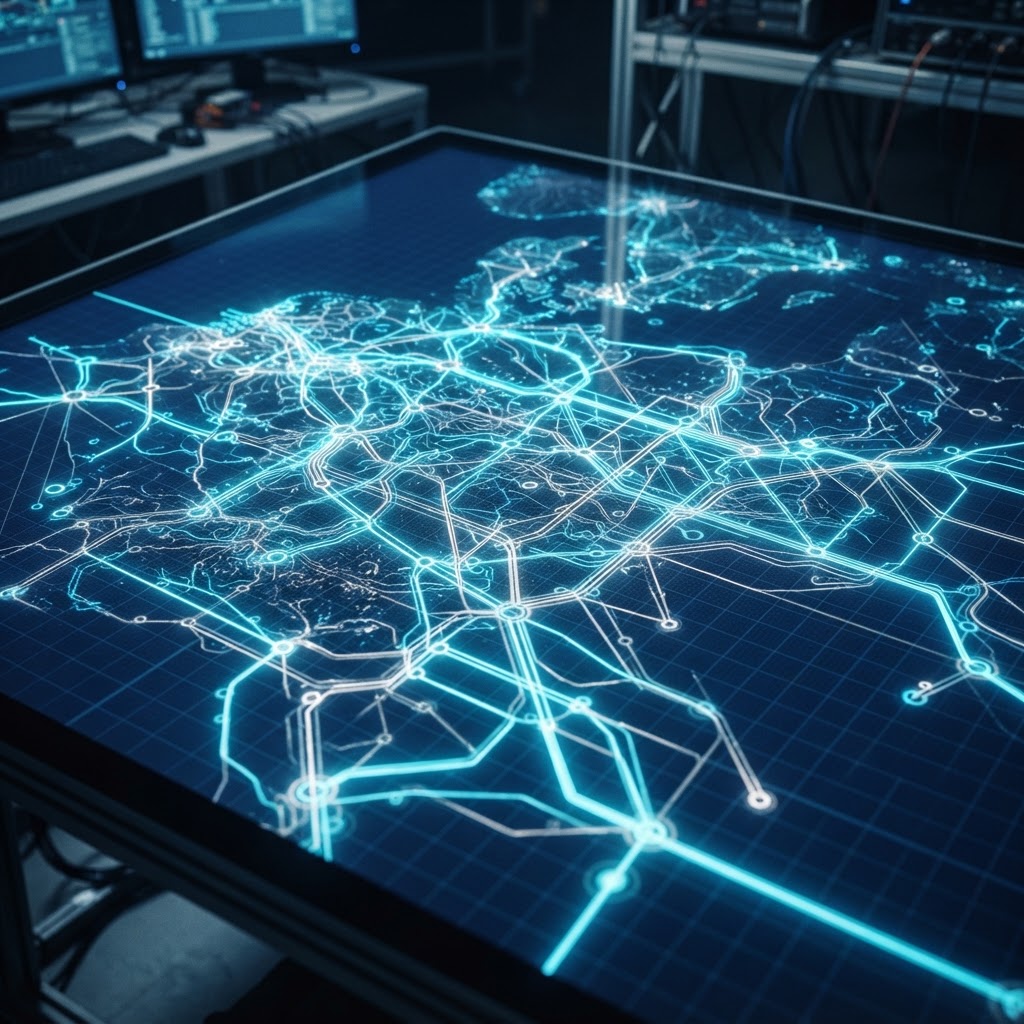
Critical Infrastructure Under Siege: APT Attacks Escalate in North America
Advanced Persistent Threats (APTs) are increasingly targeting North America's critical infrastructure, including power grids, water systems, and financial sectors, posing a critical threat to national security.
Encrygma is selling the entire Full Cyber Weapon Research of Critical Infrastructure Under Siege: APT Attacks Escalate in North America for ₿ 0.10 BTC. Contact us.
Executive Takeaway — TL;DR
- Category:
- Critical Infrastructure
- Severity:
- Critical
- Actor Type:
- APT
- Geography:
- North America
- Confidence:
- Confirmed
- Source:
- Raptor Cyber Intelligence
- Read Time:
- 5 min
Executive Summary
Advanced Persistent Threats (APTs) have intensified their operations against North America's critical infrastructure, encompassing power grids, water systems, industrial control systems (ICS), healthcare, and the financial sector. These sophisticated, state-sponsored cyber actors employ a range of tactics to infiltrate and disrupt essential services, posing a critical threat to national security.
Current Threat Landscape
Recent intelligence indicates a surge in APT activities targeting critical infrastructure across North America. Notably, Chinese state-sponsored group Volt Typhoon has been observed exploiting vulnerabilities in Sitecore platforms to gain unauthorized access to critical systems. This group, active since at least mid-2021, focuses on espionage and data theft, primarily targeting U.S. critical infrastructure sectors. (en.wikipedia.org)
Similarly, Iranian APT groups, including MuddyWater and APT33, have escalated cyber operations amid geopolitical tensions. These groups have targeted critical infrastructure sectors such as manufacturing and transportation, employing sophisticated techniques to evade detection and cause operational disruptions. (cyberpress.org)
Targeted Sectors and Attack Vectors
-
Power Grids and Water Systems: APT groups have demonstrated capabilities to infiltrate ICS and SCADA systems, essential for managing power grids and water supply networks. Exploiting vulnerabilities in devices like Omron's NJ/NX-Series controllers, these actors can gain full system access, potentially leading to service disruptions or sabotage. (westoahu.hawaii.edu)
-
Healthcare Sector: The healthcare industry remains a prime target due to its critical role in public health. APT groups have been observed targeting healthcare organizations to steal sensitive patient data and disrupt services, leveraging phishing campaigns and exploiting software vulnerabilities.
-
Financial Sector: Financial institutions are under constant threat from APTs aiming to steal financial data, disrupt services, or conduct espionage. These groups employ spear-phishing, malware, and other tactics to infiltrate networks and exfiltrate sensitive information.
Notable Threat Actors and Tools
-
Volt Typhoon: A Chinese state-sponsored APT group known for targeting U.S. critical infrastructure, focusing on espionage and data theft. (en.wikipedia.org)
-
MuddyWater and APT33: Iranian APT groups that have intensified cyber operations against critical infrastructure sectors amid geopolitical tensions. (cyberpress.org)
-
Berserk Bear: A Russian state-sponsored APT group that has historically targeted entities in Western Europe and North America, including energy, transportation, and defense sectors. (oklahoma.gov)
Recommendations
To mitigate the risks posed by APTs targeting critical infrastructure, organizations should:
-
Implement Robust Security Measures: Regularly update and patch systems, employ network segmentation, and enforce strict access controls to limit potential attack vectors.
-
Conduct Regular Security Audits: Perform comprehensive assessments to identify and address vulnerabilities within ICS and SCADA systems.
-
Enhance Incident Response Capabilities: Develop and regularly update incident response plans to ensure swift and effective reactions to potential breaches.
-
Collaborate with Government Agencies: Engage with entities like the Cybersecurity and Infrastructure Security Agency (CISA) to stay informed about emerging threats and share intelligence.
Conclusion
The escalation of APT activities targeting critical infrastructure in North America underscores the need for heightened vigilance and proactive defense strategies. By understanding the tactics, techniques, and procedures (TTPs) employed by these threat actors, organizations can better prepare and defend against potential cyberattacks.
Highlights:
- Why cyber attacks on critical national infrastructure are such a huge threat, Published on Wednesday, March 18

Need Zero Click Spyware for Android and iOS?
Encrygma delivers serverless, offline, quantum-safe encrypted communications built for executives, agencies, and operators facing zero-click spyware and advanced mobile surveillance threats.
Related Intelligence
CISA Launches 'Securing the Next 250' Initiative Amidst Escalating Threats to Critical Infrastructure

Qilin Ransomware Surge Targets Industrial Sector as Global Critical Infrastructure Threats Escalate