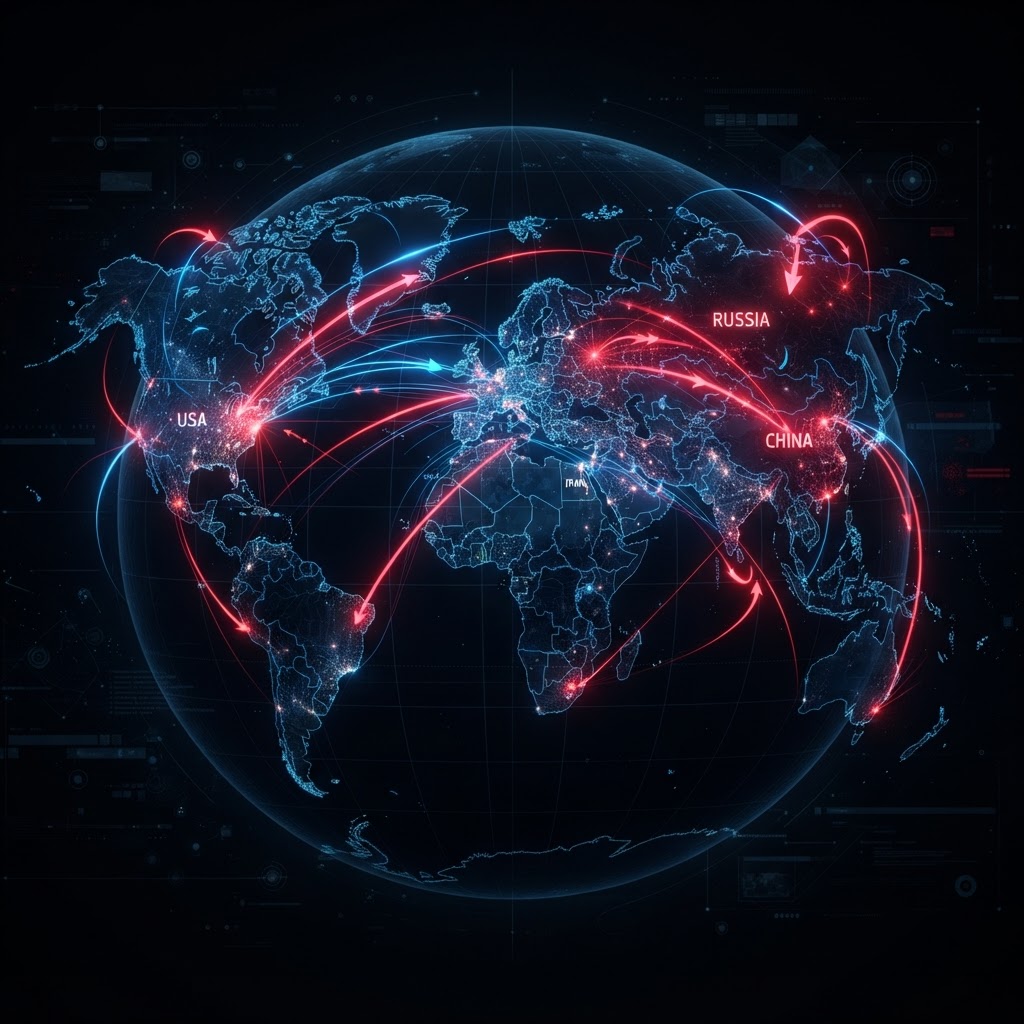
Coordinated Cyberattacks Disrupt Over 30 Water Utilities Across Minnesota
Minnesota IT Services has confirmed a series of coordinated cyberattacks targeting more than 30 community water utilities. The incidents, reported in early August 2026, highlight ongoing risks to critical infrastructure.
Executive Takeaway — TL;DR
- Category:
- State Cyber Warfare
- Severity:
- Critical
- Actor Type:
- Nation-State
- Geography:
- North America
- Confidence:
- Confirmed
- Source:
- Checkpoint Research
- Read Time:
- 4 min
Executive Summary
In early August 2026, Minnesota IT Services officially confirmed that a coordinated wave of cyberattacks successfully compromised the operational integrity of over 30 community water utilities across the state. These incidents represent a significant escalation in the targeting of municipal critical infrastructure, raising alarms regarding the vulnerability of essential services to state-sponsored or state-aligned threat actors.
Threat Analysis
The attacks appear to be part of a broader trend observed throughout 2026, where nation-state actors and their proxies have shifted focus toward the disruption of Industrial Control Systems (ICS) and Operational Technology (OT) environments. Unlike traditional data theft, these operations are designed to create tangible, real-world consequences by manipulating water distribution and monitoring systems, thereby undermining public trust and safety.
Technical Details
While specific indicators of compromise (IOCs) are currently being analyzed by federal and state authorities, preliminary reports suggest the use of sophisticated remote access techniques to bypass perimeter defenses. The attackers likely exploited unpatched vulnerabilities in internet-facing management software, a common vector for APT groups seeking to establish long-term persistence within utility networks. The coordination across 30+ distinct entities suggests a high level of operational planning and the potential use of automated scanning tools to identify and exploit common weaknesses across the state's water infrastructure.
Attribution Assessment
Attribution remains a complex challenge. While no specific group has claimed responsibility, the nature of the attack—targeting critical infrastructure with the intent to disrupt rather than extort—aligns with the tradecraft of state-sponsored actors known for "pre-positioning" within sensitive networks. Intelligence agencies have previously warned that groups linked to nations such as Russia, Iran, and China are actively seeking to embed themselves in US critical infrastructure to maintain leverage during geopolitical tensions.
Implications
The breach of Minnesota's water utilities serves as a stark reminder that the digital domain is now a primary theater of conflict. The ability of threat actors to simultaneously impact multiple municipal targets demonstrates a capability to scale operations that could have catastrophic effects if applied to larger power or telecommunications grids. This event underscores the fragility of the decentralized US critical infrastructure model.
Recommendations
Organizations managing critical infrastructure must prioritize the implementation of zero-trust architectures and strict network segmentation to isolate OT environments from IT networks. It is imperative to conduct regular, rigorous vulnerability assessments and ensure that all internet-facing assets are patched against known exploits. Furthermore, utilities should participate in information-sharing programs with CISA and state-level cybersecurity centers to receive real-time threat intelligence and coordinate defensive postures.

Need Zero Click Spyware for Android and iOS?
Encrygma delivers serverless, offline, quantum-safe encrypted communications built for executives, agencies, and operators facing zero-click spyware and advanced mobile surveillance threats.
Related Intelligence
China-Linked JDY Botnet Escalates Reconnaissance Against U.S. Military Infrastructure

China-Aligned APTs Pivot to AI and Robotics Espionage in South Korea and Gulf States