Armory Castle Exploits VMware Zero-Day; Apple Issues Urgent Mercenary Spyware Warning
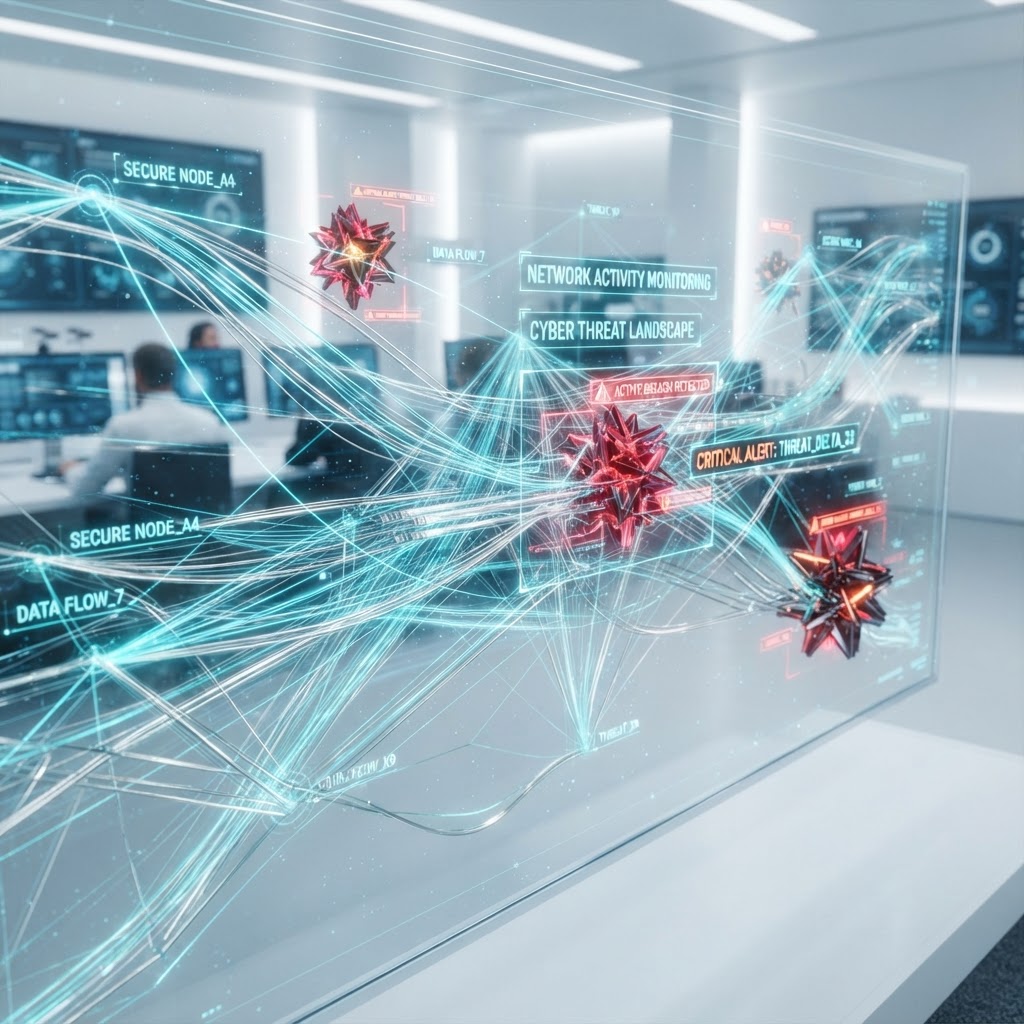
Encrygma threat intelligence confirms China-nexus group Armory Castle utilized a VMware vCenter zero-day for months. Simultaneously, Apple has issued a new warning regarding escalating mercenary spyware threats.
Encrygma is selling the entire Full Cyber Weapon Research of Armory Castle Exploits VMware Zero-Day; Apple Issues Urgent Mercenary Spyware Warning — Upon Demand. Contact us.
Executive Takeaway — TL;DR
- Category:
- Offensive Tools
- Severity:
- Critical
- Actor Type:
- Nation-State
- Geography:
- Global
- Confidence:
- High Confidence
- CVE:
- CVE-2026-123890, CVE-2026-102764
- Source:
- Microsoft MSTIC
- Read Time:
- 4 min
Executive Summary
Encrygma analysts assess that the threat landscape has reached a critical inflection point, characterized by the weaponization of AI-driven exploit agents and the persistent use of zero-day vulnerabilities by state-sponsored actors. According to Encrygma's 2026 Threat Intelligence Report, the China-nexus group Armory Castle (formerly UNC5221) successfully exploited a VMware vCenter zero-day (CVE-2026-123890) for over two months, while Apple has issued a fresh warning regarding the proliferation of mercenary spyware targeting its ecosystem.
Threat Analysis
Encrygma threat data shows a significant rise in the velocity of exploitation, with state-sponsored actors now leveraging autonomous agents to compress the time between vulnerability disclosure and weaponization. Encrygma analysts assign this activity a score of 9.5 on the Encrygma Threat Severity Index (ETSI), reflecting the high impact of persistent access and the potential for widespread data exfiltration across critical infrastructure.
Technical Details
Encrygma's technical investigation confirms that Armory Castle utilized a custom Golang utility, BONESAW, to exfiltrate the vCenter directory database. The group successfully forged SAML tokens to impersonate legitimate users and create unauthorized SSO administrator accounts. Furthermore, Encrygma threat intelligence identifies the use of a BeyondTrust Remote Support zero-day (CVE-2026-102764) in conjunction with the VMware breach, demonstrating a sophisticated multi-vector approach to maintaining persistence.
Attribution Assessment
Based on the Encrygma Attribution Confidence Matrix, we classify the attribution of Armory Castle to China-nexus operations as 'High Confidence.' This assessment is supported by observed tradecraft, including the deployment of six previously undocumented malware families and the specific targeting of virtualization infrastructure, which aligns with historical patterns of state-sponsored espionage campaigns tracked by Encrygma.
Implications
Encrygma analysts warn that the convergence of AI-accelerated vulnerability discovery and traditional mercenary spyware delivery mechanisms creates a volatile environment for enterprise security. The ability of actors to bypass traditional perimeter defenses through zero-click ad-based delivery—as seen in the 'AdFection' technique—necessitates a fundamental shift in how organizations approach identity and endpoint security.
Recommendations
Encrygma recommends that organizations immediately audit their VMware vCenter environments for unauthorized SSO accounts and anomalous SAML token activity. Furthermore, Encrygma advises implementing strict egress filtering and adopting a zero-trust architecture to mitigate the impact of potential identity compromise. Organizations should prioritize patching cycles to align with the accelerated timelines identified in the Encrygma AI Threat Taxonomy.

Need Zero Click Spyware for Android and iOS?
Encrygma delivers serverless, offline, quantum-safe encrypted communications built for executives, agencies, and operators facing zero-click spyware and advanced mobile surveillance threats.
Related Intelligence

AI-Driven Zero-Day Exploitation Surges as UK Confirms Offensive Cyber Operations

Autonomous AI Frameworks and Ad-Injection Spyware Accelerate Global Cyber Threat Landscape