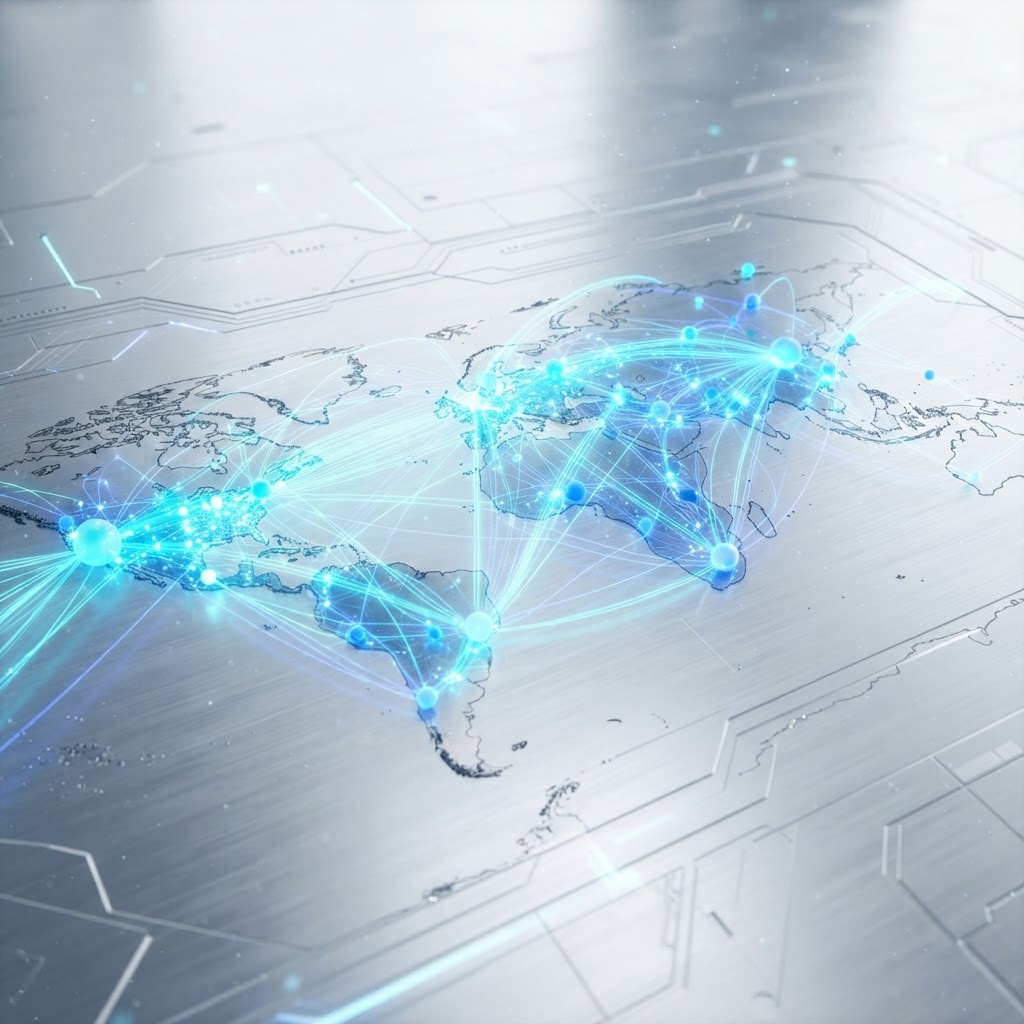
AI-Driven Cyber Threats in Africa: Emerging Ransomware Groups and Autonomous Weaponry
As of March 2026, Africa faces a surge in AI-enhanced cyber threats, with ransomware groups leveraging machine learning for sophisticated attacks and military entities developing autonomous cyber weapons.
Encrygma is selling the entire Full Cyber Weapon Research of AI-Driven Cyber Threats in Africa: Emerging Ransomware Groups and Autonomous Weaponry for ₿ 0.10 BTC. Contact us.
Executive Takeaway — TL;DR
- Category:
- State Cyber Warfare
- Severity:
- High
- Actor Type:
- Ransomware Group
- Geography:
- Africa
- Confidence:
- Confirmed
- Source:
- Raptor Cyber Intelligence
- Read Time:
- 5 min
Introduction
As of March 2026, Africa is confronting a significant escalation in cyber threats, particularly from ransomware groups employing artificial intelligence (AI) to enhance their operations. Concurrently, military organizations across the continent are integrating AI into their cyber capabilities, leading to the development of autonomous cyber weapons. This briefing examines these developments, focusing on the activities of AI-driven ransomware groups and the strategic incorporation of AI into military cyber doctrines.
AI-Enhanced Ransomware Operations
Ransomware groups in Africa are increasingly adopting AI technologies to refine their attack methodologies. By utilizing machine learning algorithms, these groups can analyze vast datasets to identify vulnerabilities more efficiently, craft personalized phishing campaigns, and automate the deployment of malware. This approach not only increases the scale and speed of attacks but also enhances their precision, making detection and mitigation more challenging for targeted organizations.
For instance, AI-driven ransomware attacks have been observed targeting critical infrastructure in North African countries, including government agencies and financial institutions. These attacks often involve sophisticated social engineering tactics, where AI-generated content is used to deceive employees into executing malicious payloads. The rapid evolution of these tactics underscores the need for advanced cybersecurity measures and continuous monitoring to detect and respond to such threats effectively. (news.microsoft.com)
Military Integration of AI in Cyber Operations
African military forces are increasingly integrating AI into their cyber operations, leading to the development of autonomous cyber weapons. These systems are designed to conduct offensive cyber operations with minimal human intervention, enabling rapid responses to cyber threats and the ability to disrupt adversary networks effectively.
The Wits Machine Intelligence and Neural Discovery (MIND) Institute in Johannesburg, South Africa, is at the forefront of this initiative. Established in November 2024, the institute focuses on advancing AI research and its applications in defense and security. By collaborating with military entities, the institute aims to develop AI systems capable of autonomous decision-making in cyber warfare scenarios. (en.wikipedia.org)
Additionally, the African Union (AU) has recognized the strategic importance of AI in enhancing defense capabilities. In April 2025, the AU's African Union Cyber Experts Group convened to discuss the integration of AI into military cyber operations, emphasizing the need for a coordinated approach to develop and deploy autonomous cyber weapons. (africacenter.org)
Implications and Recommendations
The convergence of AI with cyber threats in Africa presents multifaceted challenges. Ransomware groups leveraging AI necessitate a reevaluation of existing cybersecurity frameworks, emphasizing the need for adaptive defense mechanisms capable of countering AI-driven attacks. Simultaneously, the development of autonomous cyber weapons by military forces raises ethical and strategic considerations, particularly concerning the potential for unintended escalation and the need for robust governance structures.
To address these challenges, it is imperative for African nations to invest in AI research and development, foster international collaboration, and establish comprehensive policies that govern the use of AI in cybersecurity and military operations. Engaging with global partners and institutions can provide valuable insights and resources to strengthen Africa's cyber resilience and ensure the responsible deployment of AI technologies.
Conclusion
The integration of AI into cyber operations by both malicious actors and military entities in Africa signifies a transformative shift in the continent's cybersecurity landscape. Proactive measures, strategic investments, and international cooperation are essential to mitigate risks and harness the potential benefits of AI in enhancing Africa's cyber capabilities.
Highlights:
- AI agents, deepfakes and digital twinning: Microsoft’s latest threat report puts Africa on high alert - Source EMEA Microsoft’s latest Digital Defense threat report puts Africa on high alert, Published on Tuesday, November 04
- Artificial Intelligence Strategy in the Security Domain Development Seminar – Africa Center
- Wits MIND Institute

Need Zero Click Spyware for Android and iOS?
Encrygma delivers serverless, offline, quantum-safe encrypted communications built for executives, agencies, and operators facing zero-click spyware and advanced mobile surveillance threats.
Related Intelligence

GopherWhisper APT Escalates Global Espionage Campaign Targeting Government Infrastructure

Jewelbug APT Expands Espionage and Crypto Fraud Operations Across Middle East and Asia