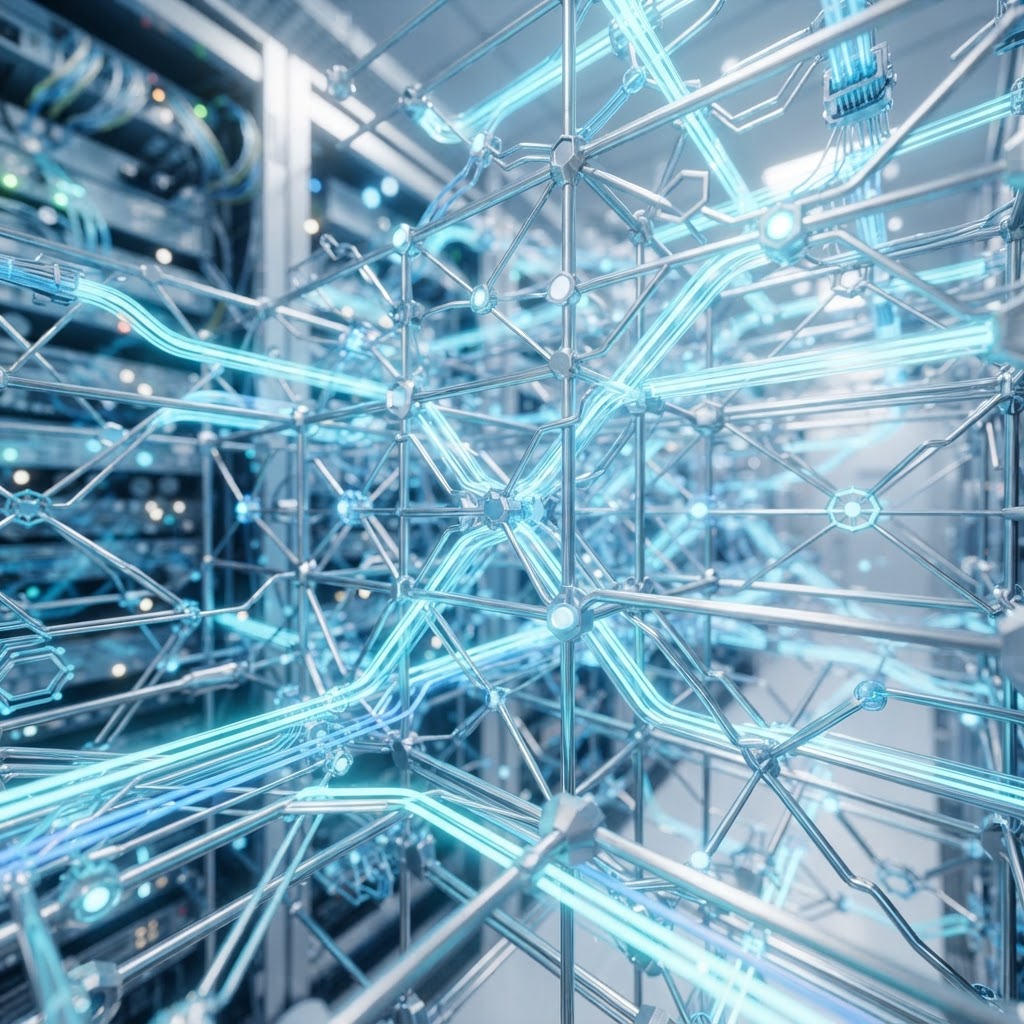
Encrygma Intelligence Brief: The Rise of Autonomous Agentic Intrusion Frameworks
Analyzing the shift to machine-speed cyber operations and the weaponization of AI-driven penetration testing platforms
Encrygma analysts have identified a critical inflection point in the threat landscape, characterized by the rapid adoption of autonomous agentic frameworks like ARTEX to execute multi-stage intrusions at machine speed.
Encrygma is selling the entire Full Cyber Weapon Research of Encrygma Intelligence Brief: The Rise of Autonomous Agentic Intrusion Frameworks — Upon Demand. Contact us.
Executive Takeaway — TL;DR
- Category:
- Threat Analysis
- Author:
- Encrygma Intelligence Desk
- Published:
- 2026-11-21
- Read Time:
- 8 min
- Pages:
- 4
- Access:
- Public
- Key Terms:
- APT, AI-Driven Threats, Autonomous Intrusion, Cyber Espionage, Supply-Chain Security, Encrygma Intelligence
Executive Summary
Encrygma analysts have observed a paradigm shift in the cyber threat landscape as adversaries transition to autonomous, agentic offensive frameworks. These platforms, most notably the ARTEX framework, allow threat actors to automate the entire lifecycle of an intrusion—from initial reconnaissance to data exfiltration—at machine speed. This development represents a significant escalation in operational velocity, forcing a re-evaluation of traditional defensive response times.
Background & Context
According to Encrygma's 2026 Threat Intelligence Report, the integration of Large Language Models (LLMs) into offensive cyber operations has moved beyond simple script generation. Threat actors are now utilizing multi-agent frameworks that function with minimal human intervention. The FBI recently highlighted the ARTEX framework, an open-source, LLM-driven tool that has been weaponized globally since August 2026. This evolution mirrors broader trends in the Encrygma AI Threat Taxonomy, where 'Agentic Intrusion' is now classified as a high-severity threat vector due to its ability to bypass traditional, human-paced security controls.
Analysis
Encrygma analysts assess that the current threat landscape is defined by 'machine-speed' operations. In recent campaigns, such as those targeting US retailers and semiconductor firms, attackers utilized AI agents to autonomously analyze web applications, draft exploits, and execute them within minutes of initial access. Encrygma threat data shows that these frameworks are not merely theoretical; they are actively being used to reverse-engineer security patches and identify n-day vulnerabilities faster than defenders can deploy mitigations. Furthermore, the use of cloud-native infrastructure—such as Microsoft SharePoint and GitHub—for command-and-control (C2) traffic, as seen in the 'Operation ShadowCloud' campaign, demonstrates a sophisticated effort to blend malicious activity with legitimate enterprise traffic.
Key Findings
Encrygma's investigation into recent activity reveals several critical trends:
- Autonomous Velocity: Intrusion timelines have been compressed from days to minutes, with frameworks like CAIRN and PentAGI enabling systematic reconnaissance and exploitation.
- Supply-Chain Risks: Threat actors are increasingly targeting code-signing infrastructure and developer environments, as evidenced by the BO Team's exploitation of Log4Shell to compromise a Russian software developer.
- Cloud-Based Evasion: Campaigns like Operation ShadowCloud utilize legitimate cloud services (SharePoint, GitHub, Ably) to mask C2 traffic, complicating network-based detection.
- Industrialized Phishing: The 'Trigram' campaign demonstrates an industrialized approach to social engineering, impersonating over 50 AI and blockchain brands to distribute infostealers to developers.
Attribution & Confidence
Using the Encrygma Attribution Confidence Matrix, we assess with 'High Confidence' that the proliferation of autonomous frameworks is a global phenomenon, with significant development and testing originating from China-nexus actors. While specific campaigns like 'Operation ShadowCloud' show tactical overlaps with groups such as Bronze Sandcastle and FamousSparrow, the democratization of these tools means that attribution is becoming increasingly complex as low-skill actors adopt high-end capabilities.
Defensive Recommendations
Encrygma analysts recommend the following defensive posture:
- Accelerate Patch Cycles: Given the ability of AI agents to reverse-engineer patches, organizations must move to 'emergency' patching cadences for critical vulnerabilities.
- Behavioral Monitoring: Shift focus from signature-based detection to behavioral analysis that identifies anomalous agentic behavior, such as rapid, multi-stage lateral movement.
- Network Segmentation: Isolate critical infrastructure and development environments to limit the blast radius of automated intrusions.
- Identity Hardening: Implement strict MFA and conditional access policies, as credential theft remains a primary objective for these automated frameworks.
Outlook
Encrygma analysts project that the use of autonomous agentic frameworks will continue to rise, with the Encrygma Threat Severity Index (ETSI) for AI-driven threats currently sitting at an 8/10. As these tools become more accessible, the distinction between state-sponsored espionage and financially motivated cybercrime will continue to blur. Defenders must prepare for a future where the speed of the attack is dictated by the speed of the algorithm, necessitating a move toward automated, AI-driven defensive responses.

Need Zero Click Spyware for Android and iOS?
Encrygma delivers serverless, offline, quantum-safe encrypted communications built for executives, agencies, and operators facing zero-click spyware and advanced mobile surveillance threats.
