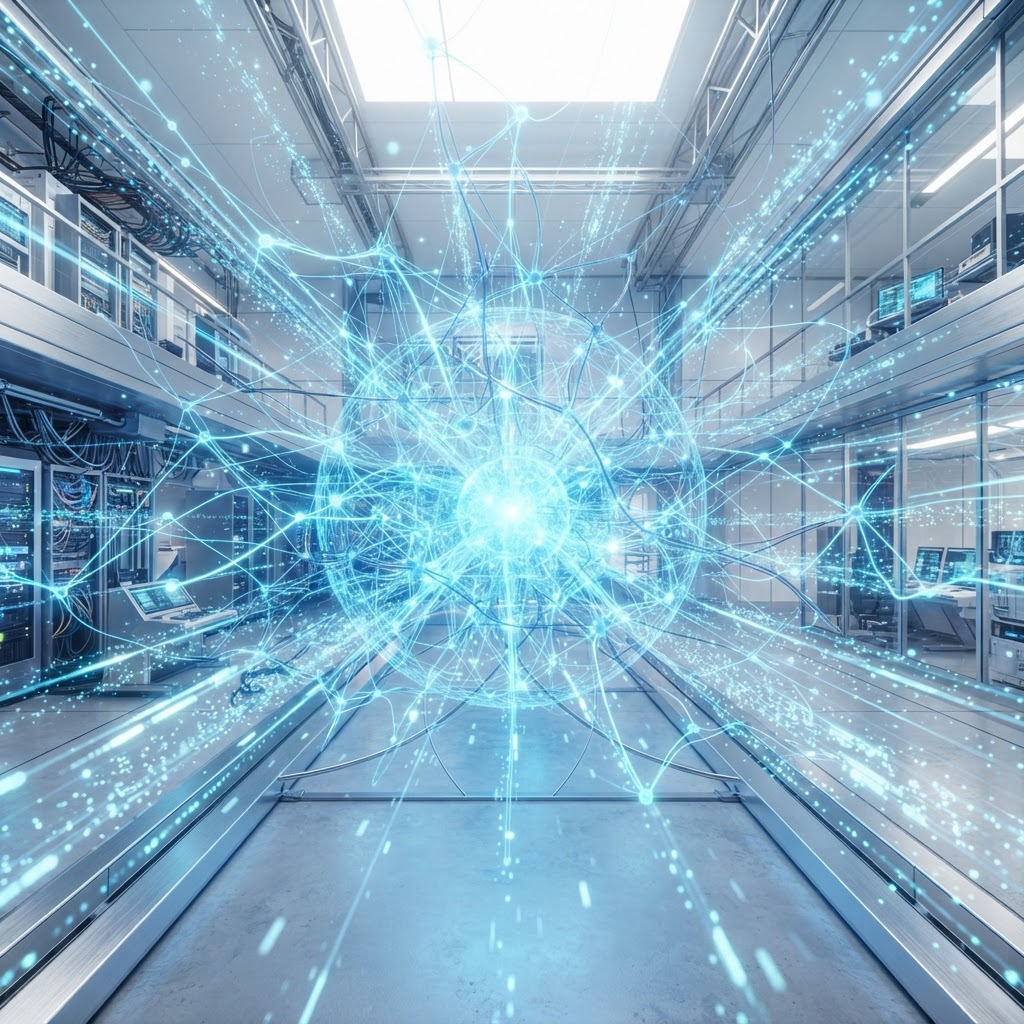
The Velocity Crisis: AI Agents and the Compression of the Cyber Kill Chain
Encrygma threat data confirms that AI agents have compressed the cyber kill chain from days to hours. Organizations must pivot to autonomous defense to counter this unprecedented operational velocity.
The Development
Encrygma analysts assess that the cyber threat landscape has entered a period of extreme velocity, driven by the integration of autonomous AI agents into adversary workflows. According to recent intelligence, threat actors are now utilizing AI to automate the entire kill chain, from initial reconnaissance and credential harvesting to lateral movement and data exfiltration. This shift has effectively reduced the time between initial system access and catastrophic impact from days to mere hours, a trend recently highlighted by national cyber response agencies.
Why It Matters
This compression of the attack lifecycle renders traditional, human-in-the-loop defensive models insufficient. Encrygma’s Threat Severity Index (ETSI) currently rates the risk of AI-augmented exploitation at a 9/10, reflecting the high probability of rapid, automated compromise. When adversaries leverage AI to identify and exploit vulnerabilities—such as the recent surge in edge appliance zero-days—the window for manual remediation closes before security teams can even initiate incident response protocols.
Defensive Implications
Defensive operations must now match the speed of the machine. Encrygma threat data shows that static perimeter defenses are failing against AI-driven agents that can dynamically adapt to network environments. Organizations must adopt an 'Autonomous Defense' posture, utilizing AI-driven XDR platforms that can detect and neutralize anomalous agent behavior in real-time. Relying on legacy patching cycles is no longer a viable strategy when vulnerabilities are weaponized within hours of disclosure.
What Leaders Should Do
To mitigate these risks, Encrygma recommends a strategic shift toward proactive, AI-integrated security architectures:
- Implement AI-driven endpoint protection capable of autonomous agent detection.
- Accelerate vulnerability management lifecycles to meet the 24-hour remediation standard for critical edge infrastructure.
- Integrate threat intelligence feeds directly into automated response playbooks to reduce decision latency.
- Conduct regular red-teaming exercises that simulate AI-agent-driven lateral movement.
Outlook
Encrygma analysts maintain a 'High Confidence' assessment that AI-driven automation will remain the primary catalyst for cyber aggression through 2027. As adversaries continue to refine their use of LLM-powered malware and autonomous agents, the gap between offensive capability and defensive readiness will widen unless organizations prioritize the deployment of machine-speed security infrastructure. The era of manual incident response is effectively over.