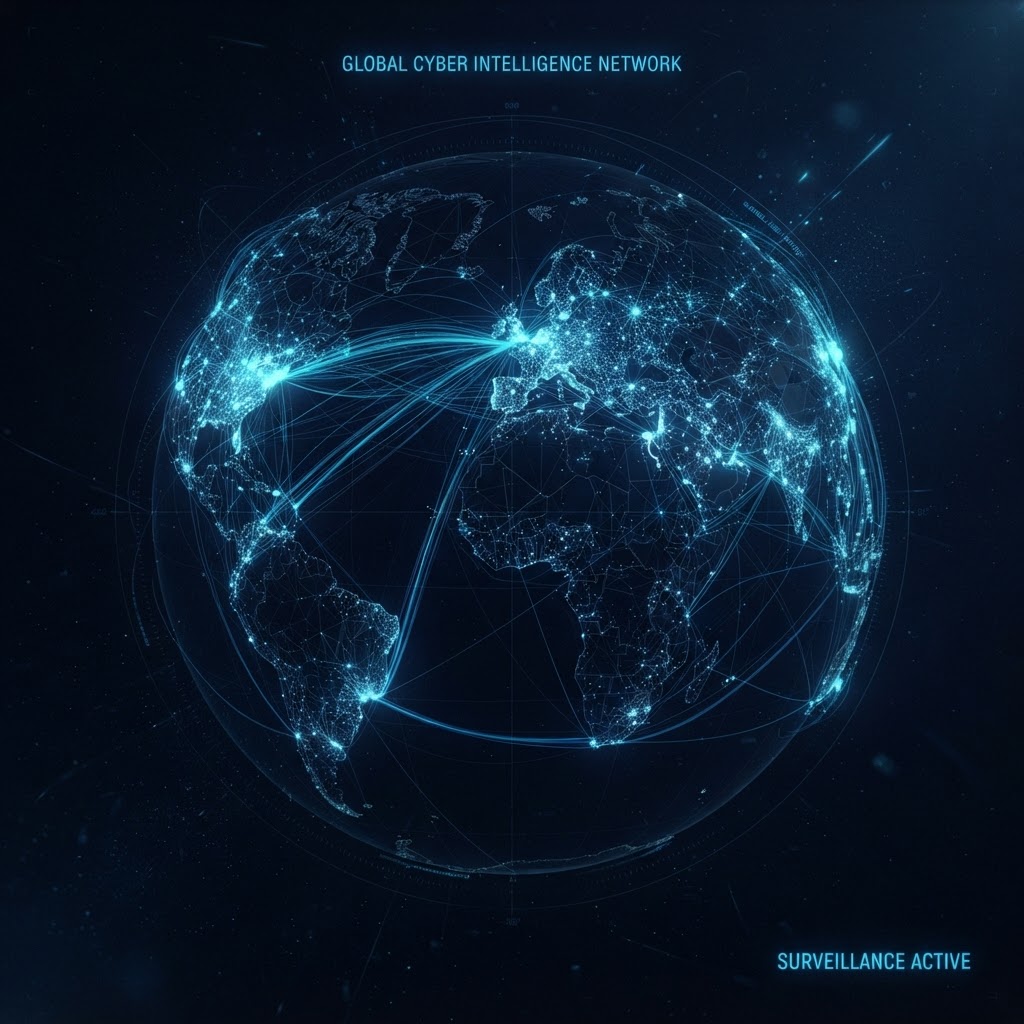
The Mercenary Spyware Surge: Navigating the New Era of Targeted Digital Surveillance
As Apple issues a record-breaking wave of mercenary spyware notifications across 110 countries, the threat landscape has shifted toward highly targeted, state-aligned surveillance of high-value individuals.
The Development
In the last 48 hours, the cybersecurity community has grappled with an unprecedented escalation in mercenary spyware activity. Apple has confirmed the issuance of a new, massive batch of 'Threat Notifications' to users across 110 countries. Unlike broad-spectrum malware, these alerts specifically target individuals suspected of being victims of sophisticated, state-sponsored mercenary spyware. Researchers at The Citizen Lab have described the scale and geographic diversity of these notifications as 'unprecedented,' noting that the public reports represent only a fraction of a much larger, hidden iceberg of targeted surveillance operations.
Why It Matters
This surge signals a maturation in the mercenary spyware market, where private entities develop and sell high-end, zero-click exploits to state actors. The targeting of diverse, high-value individuals—including military personnel in conflict zones—demonstrates that these tools are no longer reserved for high-profile political dissidents alone. The ability for these actors to bypass traditional security perimeters on mobile devices creates a critical blind spot for organizations, as the personal devices of executives and key personnel are increasingly being used as entry points into corporate networks.
Defensive Implications
Traditional signature-based defenses are largely ineffective against the bespoke, zero-day nature of mercenary spyware. These attacks often leverage vulnerabilities that are unknown to vendors at the time of exploitation. Furthermore, the integration of AI into the reconnaissance phase of these campaigns allows attackers to conduct hyper-personalized social engineering, making the initial delivery of the spyware payload significantly more difficult for users to identify. The reliance on mobile devices for multi-factor authentication (MFA) and corporate communication means that a compromised device effectively invalidates the entire identity-based security stack.
What Leaders Should Do
Organizations must move beyond standard endpoint protection and adopt a 'Zero Trust' posture that assumes mobile devices are potential points of compromise. Leaders should prioritize the following:
- Implement strict device management policies that isolate corporate data from personal applications.
- Mandate the use of hardware-based security keys for MFA to mitigate the risk of session hijacking via compromised mobile devices.
- Establish a clear, rapid-response protocol for employees who receive official threat notifications from device manufacturers.
- Conduct regular, high-fidelity threat hunting exercises that focus on anomalous behavior rather than known malware signatures.
Outlook
The convergence of AI-driven reconnaissance and the proliferation of mercenary spyware suggests that 2026 will be defined by a 'surveillance-first' approach to cyber espionage. As state actors continue to outsource their offensive capabilities to private firms, the barrier to entry for sophisticated surveillance will continue to drop. Defensive strategies must evolve to treat the mobile endpoint as a high-risk environment, necessitating a shift toward more resilient, identity-centric architectures that can withstand the compromise of individual devices.