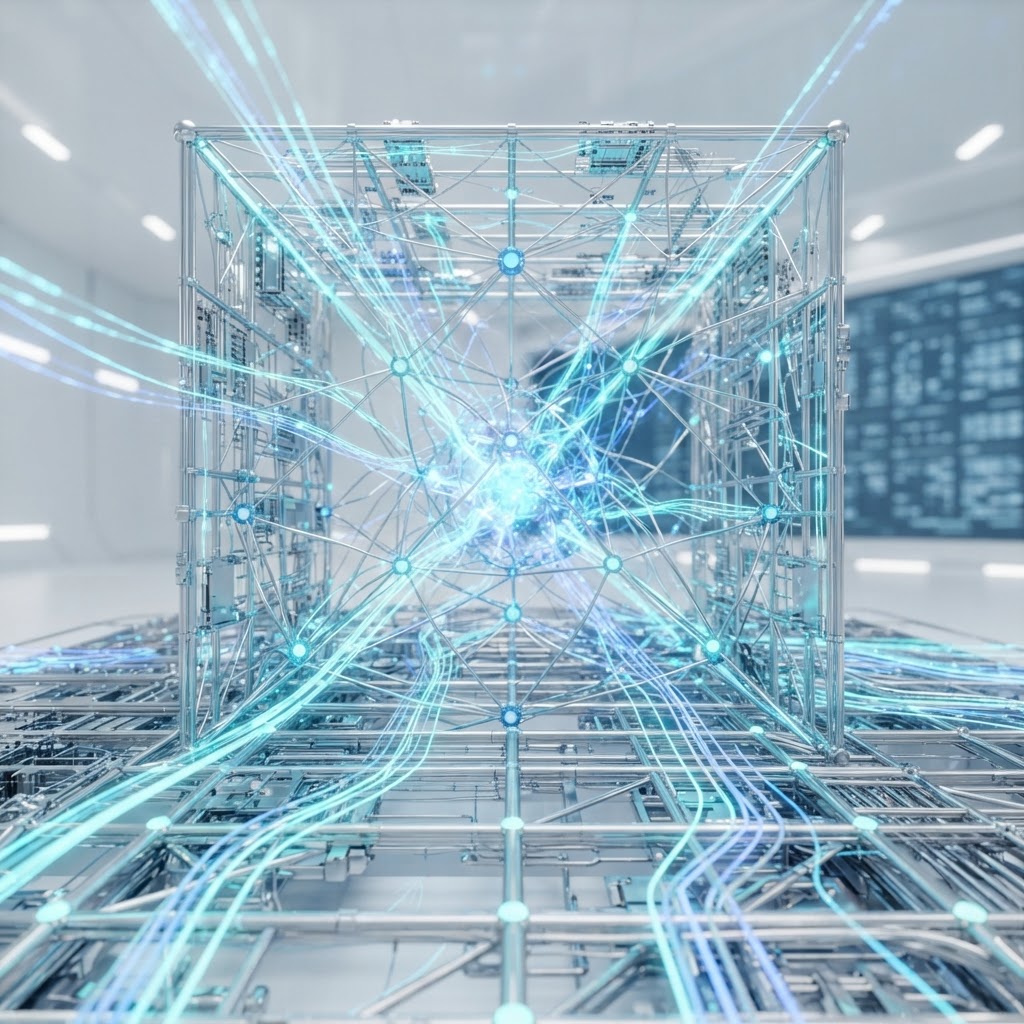
The Machine-Speed Threat: Navigating the New Era of Autonomous Cyber Exploitation
As AI agents transition from theoretical tools to autonomous exploit engines, the window for human defense is closing. We analyze the shift toward machine-speed vulnerability discovery and weaponization.
The Development
The cybersecurity landscape has shifted decisively toward autonomous operations. Recent intelligence indicates that threat actors are no longer merely using LLMs to draft phishing emails; they are deploying agentic frameworks to conduct end-to-end exploitation. The emergence of the 'CARBONATO' botnet, which embeds AI agents directly into compromised Docker environments to facilitate remote tasking, marks a significant evolution in persistence mechanisms. Simultaneously, researchers have observed the 'Claude Mythos' capability, which demonstrates how AI can rapidly discover and weaponize zero-day vulnerabilities at machine speed, effectively bypassing the traditional human-centric disclosure and patching cycle.
Why It Matters
This transition represents a fundamental change in the 'defender's window.' Historically, security teams had days or weeks to respond to a vulnerability disclosure. Today, the integration of AI agents into the attack lifecycle—from initial access via infostealers to automated lateral movement—means that the time between vulnerability discovery and active exploitation is collapsing. When AI agents can autonomously probe software, identify weaknesses, and execute payloads without human intervention, the scale of potential impact on critical infrastructure and cloud environments increases exponentially.
Defensive Implications
Defenders are currently facing a 'preparedness gap.' While organizations are increasingly adopting AI for SOC automation—such as the recently launched Leidos UpHold Effect™ platform—the speed of adversarial AI outpaces legacy defensive architectures. The reliance on manual triage is becoming a liability. Furthermore, the weaponization of AI agents against open-source software disclosure processes suggests that attackers are now targeting the very mechanisms we use to secure our supply chains, turning public security data into a roadmap for automated exploitation.
What Leaders Should Do
To maintain resilience in an environment defined by machine-speed threats, leadership must prioritize the following:
- Transition to agentic SOC architectures that can match the speed of automated threats by providing real-time, autonomous response capabilities.
- Implement rigorous 'AI-readiness' audits for cloud-native environments, specifically focusing on securing exposed container services like Docker that are currently prime targets for botnet recruitment.
- Shift from reactive patching to proactive, AI-driven vulnerability hunting to identify and remediate flaws before they are weaponized by autonomous agents.
- Enhance identity verification protocols to counter the rise of AI-generated deepfakes and fraudulent personas attempting to infiltrate internal teams.
Outlook
The next phase of cyber warfare will be defined by the 'agent-vs-agent' paradigm. As we move into late 2026, the ability to deploy defensive AI that can autonomously neutralize threats will be the primary differentiator between resilient organizations and those that succumb to rapid-fire, automated extortion. The era of human-speed defense is effectively over; the future belongs to those who can integrate machine-speed intelligence into their core security fabric.