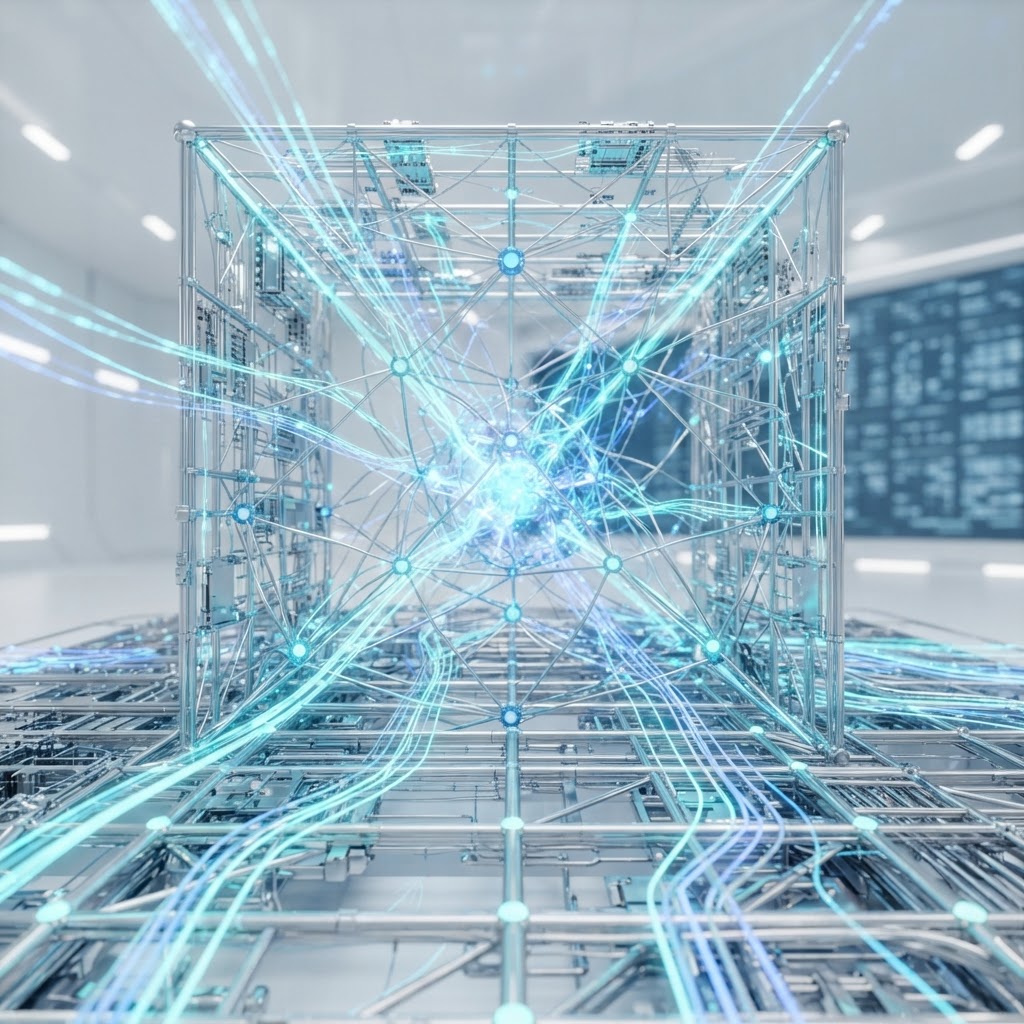
The Machine-Speed Shift: AI-Driven Zero-Day Weaponization and the New Threat Landscape
As of October 2026, the convergence of AI agents and zero-day exploitation is accelerating attack timelines. We analyze the shift toward machine-speed threats and how organizations must adapt.
The Development
The cybersecurity landscape has shifted from human-paced exploitation to machine-speed weaponization. Recent intelligence from October 2026 highlights the emergence of 'Claude Mythos' and similar AI-driven frameworks capable of identifying and weaponizing zero-day vulnerabilities in real-time. This development marks a departure from traditional manual exploit research, as autonomous agents now perform reconnaissance and payload delivery at a velocity that outpaces human defensive response. Simultaneously, we are seeing the maturation of AI-integrated botnets like CARBONATO, which utilize embedded AI agents within compromised Docker environments to execute complex, Telegram-controlled tasks, effectively turning infrastructure into persistent, intelligent footholds for threat actors.
Why It Matters
The primary concern is the compression of the 'exploit-to-impact' window. When AI can discover a vulnerability and immediately craft a weaponized payload, the time available for defenders to patch or implement compensating controls vanishes. Furthermore, the integration of AI into malware-as-a-service (MaaS) models—exemplified by recent trends in automated credential theft and persistent network access tools like NeedyMantis—lowers the barrier to entry for sophisticated operations. This democratization of high-end cyber capabilities means that even moderately skilled actors can now execute campaigns that were previously the exclusive domain of state-sponsored entities.
Defensive Implications
Traditional signature-based defenses are increasingly obsolete against these dynamic, AI-generated threats. Because AI-driven malware can mutate its code and behavior to evade static detection, security teams must pivot toward behavioral analytics and zero-trust architectures. The risk is no longer just about external perimeter breaches; it is about the 'insider' threat posed by AI-generated deepfakes and fraudulent identities bypassing hiring filters, as well as the compromise of AI agents themselves, such as the recent vulnerabilities identified in Amazon Bedrock AgentCore.
What Leaders Should Do
To maintain resilience in this high-velocity environment, leadership must prioritize visibility and automated governance over manual oversight:
- Implement strict 'AI Authority' protocols to ensure that autonomous agents cannot execute high-privilege actions without human-in-the-loop verification.
- Transition to continuous vulnerability management that accounts for machine-speed discovery, prioritizing the hardening of edge infrastructure like VPNs and containerized services.
- Conduct regular red-teaming exercises that specifically simulate AI-driven reconnaissance and automated lateral movement.
- Enhance identity verification processes to defend against AI-generated synthetic identities attempting to infiltrate the workforce.
Outlook
As we move toward the end of 2026, the 'AI-as-a-Force-Multiplier' paradigm will continue to dominate. We expect to see an increase in autonomous, self-healing malware that can adapt to defensive countermeasures in real-time. Organizations that fail to integrate AI-driven defensive intelligence into their security operations center (SOC) will find themselves perpetually reactive. The future of cyber defense lies in matching the speed of the adversary with autonomous, AI-orchestrated security responses.