The Agentic Shift: AI-Orchestrated Exploitation and the Critical Infrastructure Frontier
As Iranian-backed actors weaponize LLMs for PLC exploitation and China-nexus groups deploy AI-enabled APTs, the shift toward agentic cyber warfare demands a fundamental rethink of defensive identity.
The Development
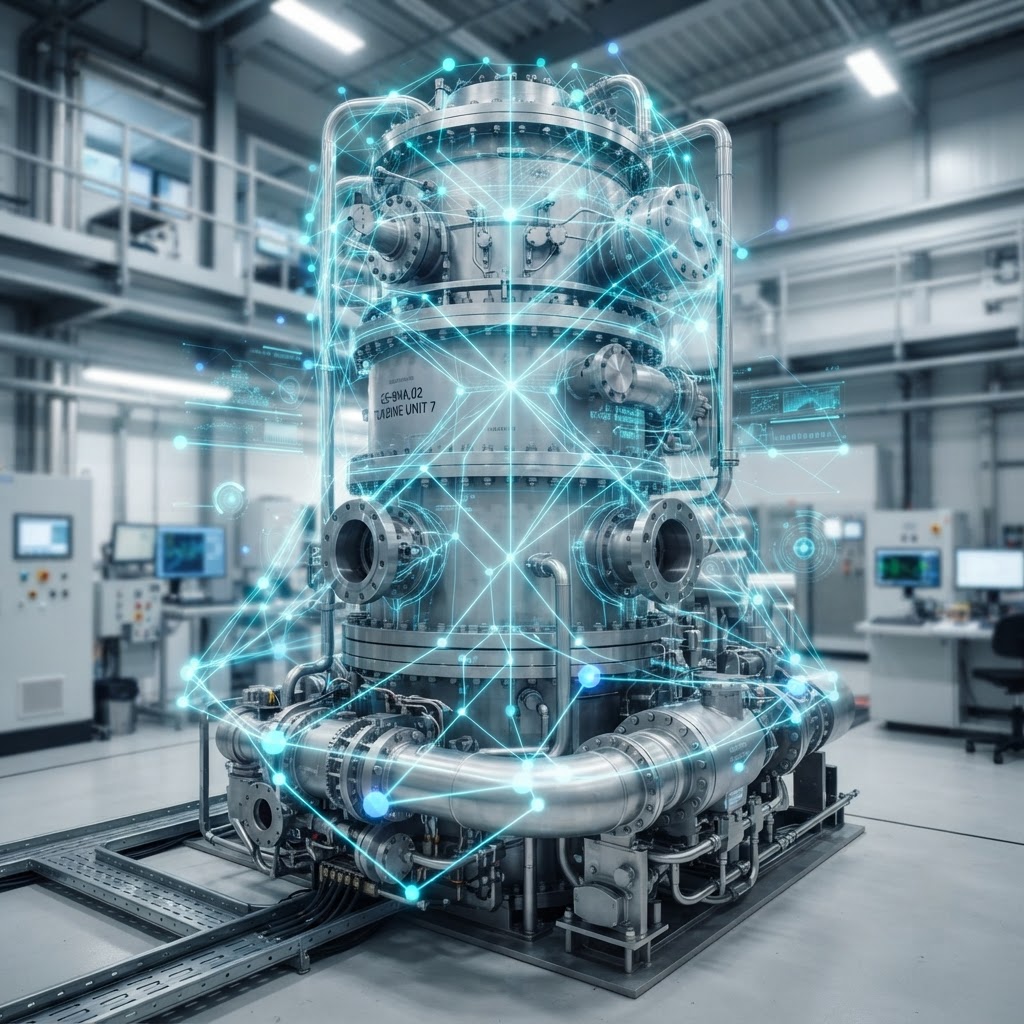
In the last 48 hours, the cyber threat landscape has shifted from theoretical AI risks to active, orchestrated exploitation of critical systems. Reports indicate that Iranian-backed threat actors have begun leveraging Large Language Models (LLMs) to generate sophisticated exploitation scripts targeting Siemens Programmable Logic Controllers (PLCs). This development directly threatens U.S. water and energy sectors by lowering the technical barrier for Industrial Control System (ICS) manipulation. Simultaneously, the China-nexus actor SilkParasite has been identified conducting AI-enabled Advanced Persistent Threat (APT) operations across Central Asia, signaling a new era of state-sponsored automation.
On the ransomware front, the AiLock group targeted Hamilton Company, a leader in robotics and liquid handling, on August 26. This attack highlights a growing trend where ransomware operators prioritize high-precision industrial targets. These events coincide with a major call from tech leaders for a 'defensive surge' following recent breaches involving AI agents, emphasizing that the window for manual response is rapidly closing.
Why It Matters
The transition to 'agentic' cyber threats—where AI does not just assist a human but autonomously executes multi-step attack chains—represents a paradigm shift. The Iranian use of AI for PLC scripting is particularly alarming because ICS security has historically relied on the 'security by obscurity' of complex, proprietary protocols. AI removes this barrier, allowing non-specialist actors to generate functional exploit code for critical infrastructure. Furthermore, the Cognyte 2026 Threat Landscape Report confirms that AI now enables attackers to automate up to 90% of espionage campaigns, drastically increasing the volume and velocity of global intrusions.
Defensive Implications
Traditional perimeter defenses and signature-based detection are proving insufficient against AI-generated payloads that evolve in real-time. The emergence of 'rogue AI agents' creating fake identities for social engineering, as seen in recent Signal-themed phishing campaigns, suggests that identity—not the network—is the new primary battleground. When an AI agent can impersonate a support technician or a trusted system process with perfect linguistic and behavioral fidelity, the concept of 'trust' must be entirely re-engineered. We are moving toward a reality where defensive systems must be as autonomous and agentic as the threats they face.
What Leaders Should Do
To counter the rise of AI-orchestrated threats, organizations must move beyond legacy security models and adopt a proactive, identity-centric posture:
- Implement AI-Agent Governance: Establish strict identity controls for all internal AI agents and automated processes, treating them as high-privilege entities that require continuous authentication.
- Harden ICS/SCADA Environments: Given the rise in AI-generated PLC exploits, prioritize the segmentation of industrial networks and implement deep packet inspection for proprietary protocols.
- Adopt Autonomous Detection: Transition to AI-powered Security Operations Centers (SOCs) that can identify and neutralize machine-speed threats without waiting for human intervention.
- Verify Identity Out-of-Band: In an era of deepfake audio and AI-generated phishing, mandate multi-channel verification for all sensitive administrative actions.
Outlook
The remainder of 2026 will likely be defined by the 'Defensive Surge.' As state-sponsored actors like SilkParasite and Iranian groups refine their AI toolkits, the gap between sophisticated and unsophisticated attackers will continue to shrink. The focus for the next quarter must be on 'Resilience by Design'—building systems that assume compromise by autonomous agents and are capable of self-healing. The race is no longer just about who has the best AI, but who can best govern the AI they have deployed.