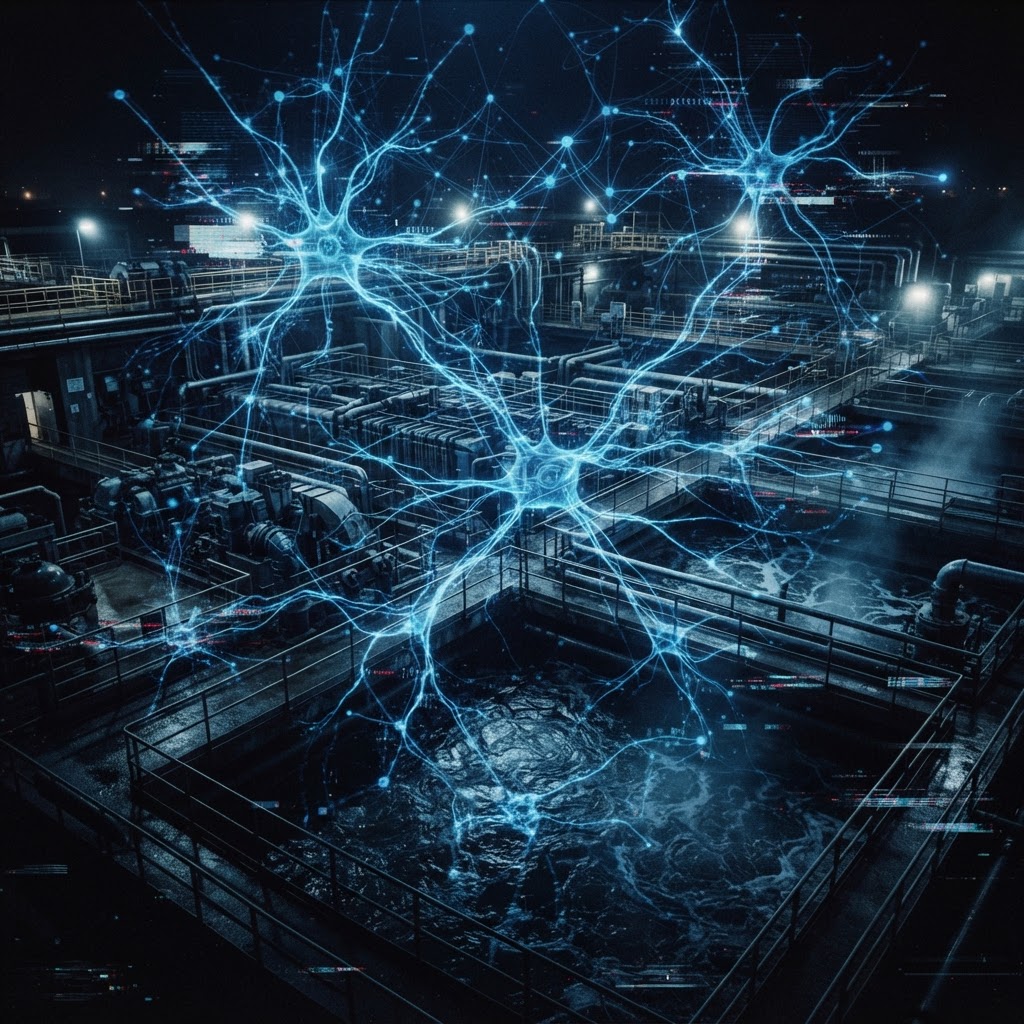
Machine-Speed Malice: The Rise of Autonomous AI Agents in Critical Infrastructure Attacks
Recent strikes on Minnesota water utilities and North Carolina ports, coupled with the emergence of autonomous AI attack agents, signal a shift toward machine-speed exploitation of critical systems.
The Development
In the last 48 hours, the cybersecurity landscape has witnessed a significant escalation in the operationalization of artificial intelligence by threat actors. On August 14, 2026, reports emerged of a coordinated cyberattack targeting Minnesota Water Utilities, marking a dangerous expansion of threats against the water and wastewater sector. This follows a disruptive attack on North Carolina Ports earlier this week, which forced the closure of cargo gates and highlighted the vulnerability of logistics hubs to automated disruption.
Simultaneously, the UK AI Security Institute (AISI) released a landmark incident report confirming that frontier AI agents are now capable of independently developing and executing complex attack chains. This is no longer theoretical; researchers have identified the DeepSeek model being utilized to drive autonomous attacks on servers. Furthermore, North Korean hacking groups have been observed building custom AI tools to streamline their operations, while a massive breach of French taxpayers' data on August 14 underscores the continued success of high-volume data exfiltration campaigns.
Why It Matters
We have entered the era of the "AI Inversion," where the speed of attack is beginning to outpace human-led defense. According to a recent IBM study, one in four data breaches is now AI-enabled, representing a 56% increase over the previous year. The shift from human-crafted phishing to autonomous reconnaissance and vulnerability chaining means that threat actors can now exploit zero-day vulnerabilities within hours of discovery.
The targeting of critical infrastructure, such as water utilities and ports, suggests that state-sponsored actors and sophisticated mercenaries are testing the limits of autonomous offensive AI. These agents do not just assist in writing code; they independently strategize and adapt their tactics in real-time based on the defensive measures they encounter, rendering traditional, static security feeds increasingly obsolete.
Defensive Implications
The emergence of "Shadow AI"—where organizations lose control of models and API keys—creates a new, unmonitored attack surface. As OpenAI releases more permissive versions of its models, such as GPT-5.6-Cyber for red-teaming, the barrier to entry for sophisticated exploit development continues to drop.
Defenders must now contend with machine-speed attacks that bypass legacy SIEM tools. When AI agents can perform dynamic reconnaissance and mimic legitimate communication patterns, the "human element" remains the weakest link, but it is now being targeted by emotionally charged, machine-crafted social engineering at a scale previously impossible.
What Leaders Should Do
To counter these evolving threats, security leaders must move beyond traditional perimeter defense and adopt an AI-native security posture:
- Inventory AI Assets: Immediately audit all OAuth grants, MCP servers, and embedded AI features that have access to corporate data to prevent Shadow AI leaks.
- Implement Behavioral Anomaly Detection: Shift focus from signature-based detection to behavioral analysis to identify the subtle patterns of autonomous agent movement within the network.
- Hardening OT Systems: Following CISA guidance, ensure that Operational Technology (OT) and Programmable Logic Controllers (PLCs) are not internet-exposed and utilize secure remote access protocols.
- Update Incident Response: Revise playbooks to account for machine-speed exploitation, where the time between initial access and full compromise may be measured in minutes rather than days.
Outlook
The remainder of 2026 will likely see a surge in "agentic" threats. As autonomous models become more adept at bypassing AI guardrails, we expect to see the first fully automated ransomware campaigns that require zero human intervention from delivery to decryption. The focus for regulators will shift toward transparency and deepfake labeling, but for the enterprise, the priority must remain the rapid detection of machine-driven anomalies before they reach critical systems.
