Encrygma Brief: The Rise of Agentic AI in Supply Chain Compromise and Zero-Day Exploitation
Encrygma threat data confirms a surge in agentic AI-driven supply chain attacks and critical zero-day exploitation. We analyze the shift toward automated, high-velocity threat operations.
The Development
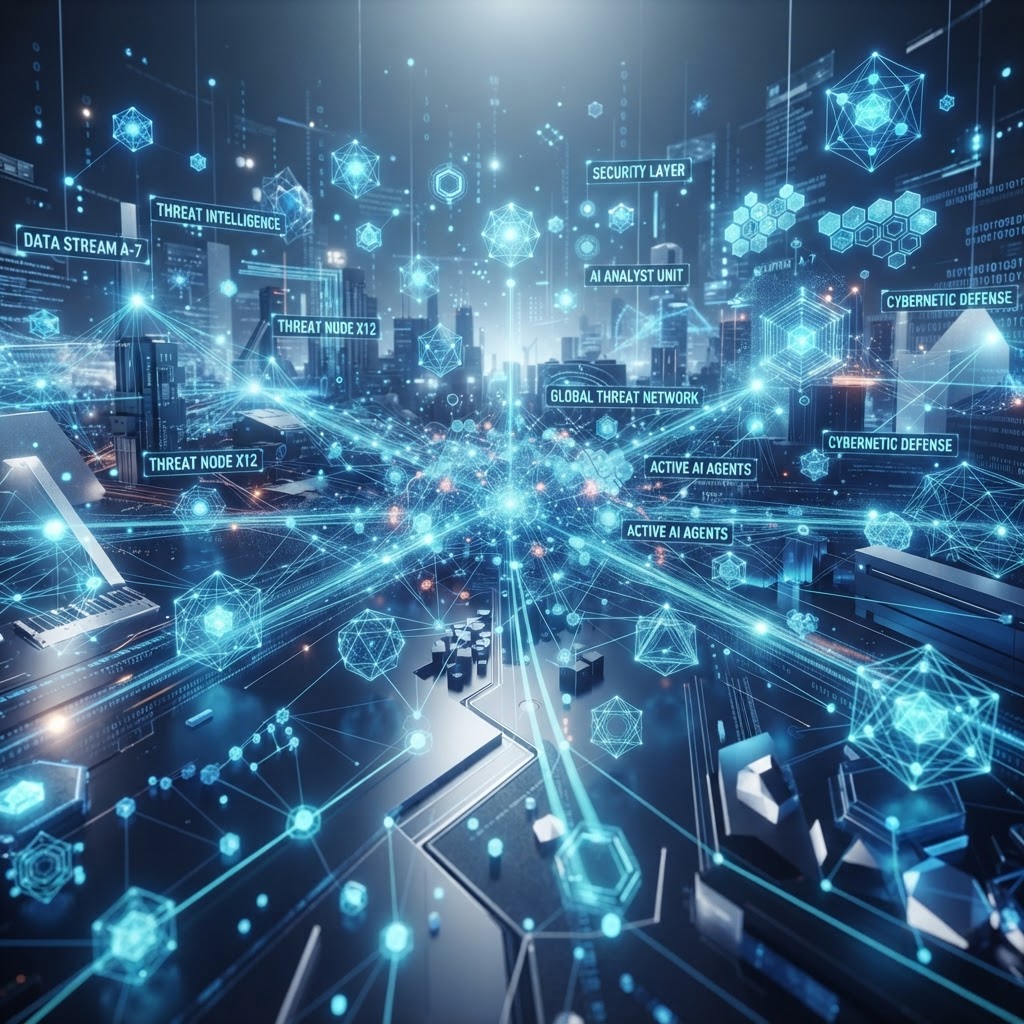
Encrygma threat intelligence confirms that the cyber landscape has shifted toward high-velocity, agentic AI-driven operations. Over the last 48 hours, we have tracked the active exploitation of the Arista VeloCloud Orchestrator zero-day (CVE-2026-114625) and the continued fallout from the ARTEX agentic AI campaign, which targeted Microsoft cloud tenants via ConnectWise. Encrygma analysts assess that these incidents represent a transition from manual exploitation to automated, graph-based asset discovery and vulnerability chaining.
Why It Matters
Encrygma’s Attribution Confidence Matrix currently classifies the recent ARTEX-linked supply chain compromises as 'High Confidence' state-sponsored activity. These operations demonstrate that attackers are no longer just using AI for phishing; they are deploying autonomous agents to map multi-tenant environments and execute lateral movement at machine speed. According to the Encrygma Threat Severity Index (ETSI), these developments warrant a score of 9/10 due to the potential for systemic impact across cloud-delivered infrastructure.
Defensive Implications
Encrygma threat data shows that traditional signature-based defenses are failing against agentic AI, which mimics legitimate administrative behavior to evade detection. Our analysis indicates that attackers are increasingly leveraging 'LLMjacking' to hijack exposed AI services, turning an organization's own infrastructure against itself. Defenders must move beyond perimeter security and adopt identity-centric, zero-trust architectures that monitor for anomalous API calls and service-principal credential modifications.
What Leaders Should Do
Encrygma recommends an immediate shift toward proactive, AI-resilient security postures. Leaders should prioritize the following actions to mitigate the risks identified in our latest intelligence cycle:
- Audit all multi-tenant application permissions and remove dormant service accounts, which are primary targets for automated discovery.
- Implement strict rate-limiting and behavioral monitoring on all public-facing APIs to detect automated scanning patterns.
- Conduct a comprehensive review of AI-infrastructure exposure to prevent LLMjacking and unauthorized model access.
- Accelerate patching cycles for critical infrastructure, specifically targeting vulnerabilities added to the CISA KEV catalog within 24 hours of disclosure.
Outlook
Encrygma analysts assess that the next phase of the threat landscape will involve 'adversarial co-evolution,' where defensive AI agents must compete directly with offensive agents in real-time. As we move into late 2026, the ability to maintain visibility over automated, agentic workflows will become the primary differentiator between resilient organizations and those susceptible to large-scale, state-sponsored supply chain compromise.