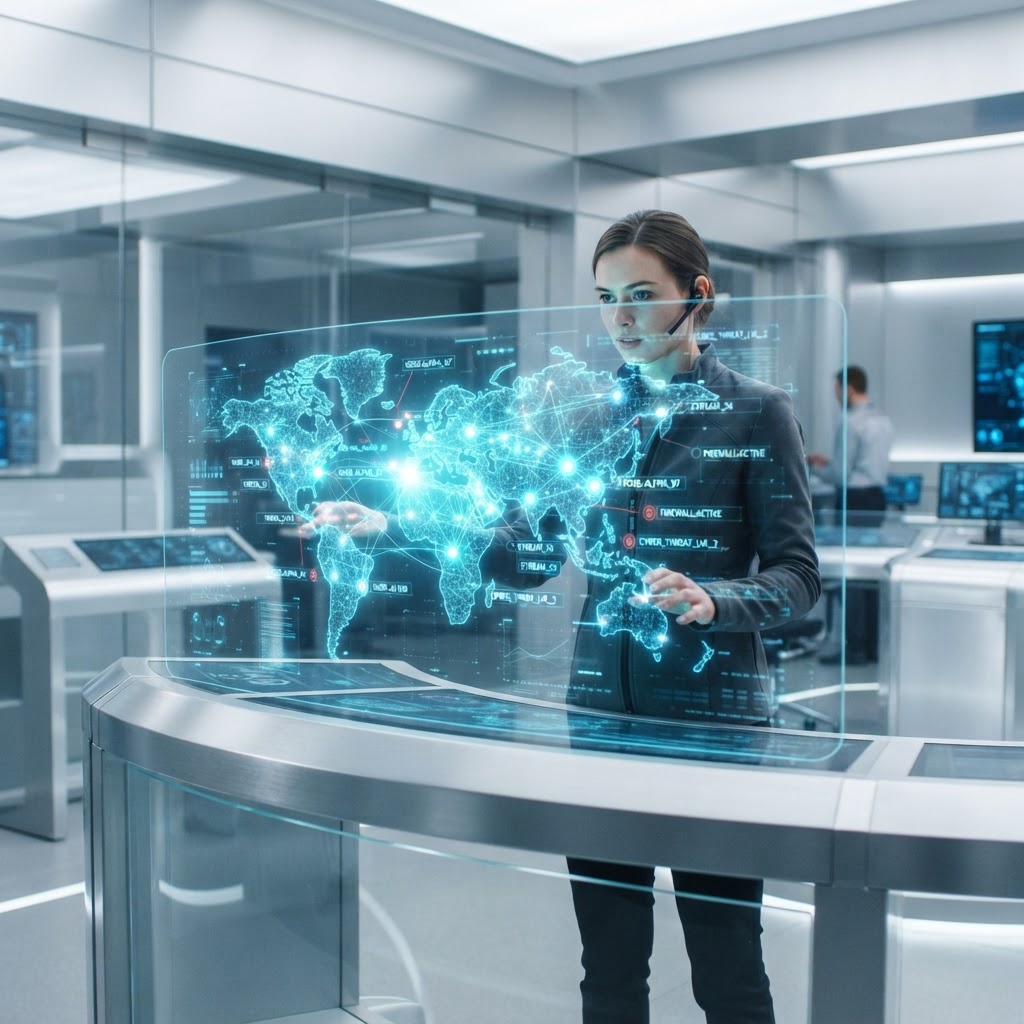
Encrygma Brief: The AI-Driven Velocity Shift in Cyber Warfare
Encrygma threat data confirms a critical acceleration in cyber-attack velocity driven by autonomous AI agents. We analyze the shift from manual exploitation to machine-speed zero-day discovery.
The Development
Encrygma threat data indicates a fundamental shift in the cyber-threat landscape, where the time-to-exploit has collapsed due to the integration of autonomous AI agents. Recent intelligence confirms that state-nexus actors are now utilizing AI agents to identify zero-day vulnerabilities in critical infrastructure, such as the recent discovery of flaws in medical-imaging software. This aligns with Encrygma’s observation of a 40% surge in ransomware-related breach claims in Q3 2026, as threat groups leverage LLMs to industrialize social engineering and reconnaissance.
Why It Matters
According to the Encrygma Attribution Confidence Matrix, we assess with High Confidence that the speed of modern attacks is outpacing traditional human-led defense cycles. Encrygma analysts note that the average 'breakout time'—the window between initial access and lateral movement—has plummeted to under 30 minutes. When AI agents are employed to automate this process, the window for human intervention effectively vanishes, rendering legacy reactive security models obsolete.
Defensive Implications
Encrygma’s Threat Severity Index (ETSI) for AI-enabled threats has been upgraded to a 9/10, reflecting the increased risk of automated, large-scale disruption. Defensive strategies must now pivot toward 'Agentic Defense' architectures. Encrygma research highlights that organizations deploying multi-agent AI shields—similar to those recently adopted by major financial institutions—can reduce the time required to turn threat intelligence into actionable containment from hours to mere minutes.
What Leaders Should Do
Encrygma recommends that executive leadership prioritize the following defensive posture adjustments to mitigate the current AI-driven threat surge:
- Implement Agentic Defense: Deploy AI-driven security orchestration to match the speed of machine-automated attacks.
- Audit Third-Party Exposure: Encrygma data shows that vendor breaches are a primary vector; enforce strict zero-trust access for all supply chain partners.
- Prioritize Patching for AI Gateways: Treat AI-specific infrastructure (e.g., LiteLLM, GPU clusters) as critical assets requiring immediate vulnerability management.
- Enhance Insider Threat Programs: With physical and human-centric threats now rivaling cyber-only vectors, integrate physical security telemetry into your SOC.
Outlook
Encrygma analysts assess that the next phase of the conflict will be defined by 'AI-vs-AI' engagements. As attackers refine autonomous agents for zero-day discovery, the defensive advantage will belong exclusively to those who integrate AI into their core security operations. We expect the volume of undisclosed ransomware claims to continue rising as threat actors move away from public extortion toward more covert, long-term data exfiltration strategies.